
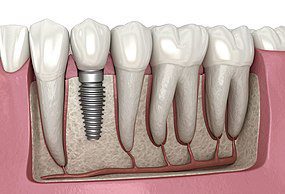
A jaw fracture during dental implant placement is possible, but it is an uncommon complication. The risk depends on factors such as bone volume and density, the location of the implant, implant size, surgical technique and the patient’s individual anatomy. Careful examination and treatment planning help dentists reduce the risk of complications. If you are considering dental implants and are concerned about jaw fracture, understanding the risks and how they are managed can help you make an informed decision.
Who Is This Article For?
- Patients considering dental implants
- People worried about jaw fracture during implant surgery
- Patients with low bone volume
- People who have been advised to undergo bone grafting
- Patients experiencing pain or swelling after implant placement
- People seeking a second opinion before implant surgery
What is a Dental or Teeth Implant?
A teeth implant is a tooth replacement procedure that involves surgically implanting a metal rod into your jawbone. Once the rod is in place, a dental expert will use an artificial tooth to screw into the rod, creating an anchor for a new tooth. Dental implants are great for anyone who has had to remove teeth due to periodontal disease or trauma, or for those who are unable to have teeth removed due to other health reasons. Dental implants are resistant to decay and gum disease, and they look and feel like real teeth.
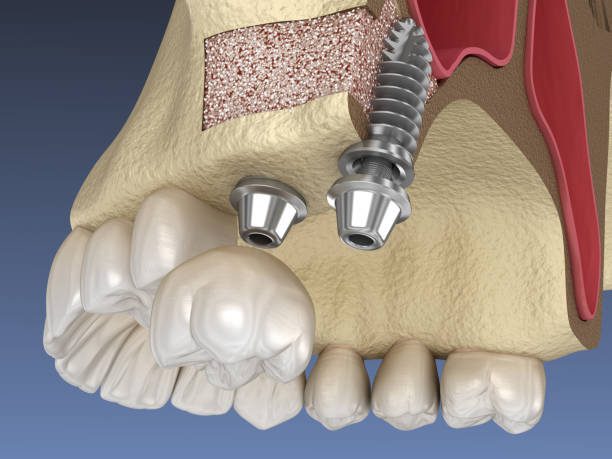
3 Different Types of Teeth Implants:
- Sub-gingival: Which are placed below the gum line.
- Submucosal: These are placed below the gum line but above the bone line.
- Intra-mucosal: These are placed above the bone line.
What is a jaw crack during a teeth implant surgery?
A jaw crack during a dental implant procedure is exactly what it sounds like: the jawbone cracks during the implant process. When a dentist implants a tooth, they start by boring a hole into the bone in your jaw. This is usually done using a rotary bone drilling machine. This machine uses small rotating bits to remove a small amount of bone at a time, and then suction out the debris.
However, sometimes instead of a smooth hole, the dentist may accidentally crack the bone. If this happens, the implant surgery is considered a failure. It is also possible to get a crack in your jaw during dental implant placement even if the dentist did not intend to do so. There are a few reasons why this could happen. For example, the dentist might accidentally hit a nerve in your jaw.
Can you really crack your jaw during dental implant Surgery?
Dentists use rotary drills to make a hole for the implant. Rotary drills spin rapidly and create a lot of friction. With that much friction, it is possible to heat the bone in such a way that it expands and forms a bubble. Once the bubble bursts, it causes a crack in the bone. The speed of the drill and the amount of pressure applied are two factors that affect the risk of cracking the bone. The speed at which the dentist rotates the drill is determined by the thickness of the bone. The thicker the bone is, the slower the drill should be. It is important for the dentist to know the thickness of the bone before performing implant surgery.
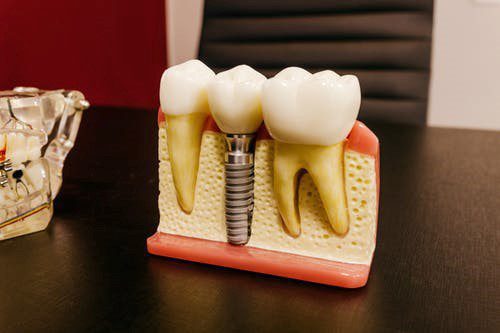
Cracking your jaw during teeth implant surgery?
Many people are convinced that a jaw crack during implant surgery is inevitable. In reality, it is very rare for the bone to crack during the implant surgery process. While it is possible to crack the bone during the surgery process, it is not inevitable. While implant surgeries do involve drilling, there are a variety of measures that dentists can use to prevent cracking the bone. First, the dentist will make sure to choose the right-sized drill bit for the thickness of the bone. The dentist will also make sure to apply the right amount of pressure. As a general rule of thumb, the drill should be rotating at a rate of between 20 and 30 rotations per minute.
How to prevent a jaw crack during teeth implants?
If you are worried that you might get a jaw crack during the implant procedure, there are a few things that you can do to protect your jawbone. First, you will want to make sure that your dentist has experience performing dental implants. Otherwise, there is a greater risk that the dentist will accidentally crack your jaw. Next, you will want to schedule your implant surgery for a time when your mouth is healthy.
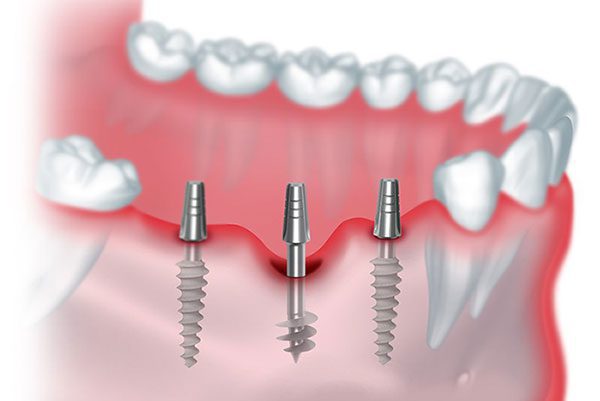
You should not schedule the surgery when you have a cold or any other type of infection. During these times, your mouth is more likely to be inflamed. Finally, you should make sure that you take special care of your mouth before and after the implant surgery. This means that you should avoid brushing your teeth too hard and avoid too much sugary and starchy food.
Conclusion
A jaw crack during implant surgery is a very real possibility, but it is not something that you need to worry about. As long as you are sure that your dentist is experienced and you take special care of your mouth, there is very little chance that your jaw will crack during the implant surgery. That said, you should still be aware of the signs and symptoms of a cracked jaw during implants. If you notice any pain or swelling in your jaw after the implant surgery, it is important that you let your dentist know as soon as possible.
Frequently Asked Questions
Can a dental implant crack your jaw?
A jaw fracture is a possible but uncommon complication of implant surgery. Risk varies according to the patient’s anatomy, bone condition, implant characteristics and surgical factors.
How common is jaw fracture during dental implant surgery?
It is considered uncommon. The risk is not the same for every patient and depends on factors such as bone availability, implant location and individual anatomy.
Does getting a dental implant weaken the jaw?
A properly planned implant does not normally mean that the jaw becomes generally weak. The implant is placed according to the available bone and planned position.
What are the signs of a jaw fracture after an implant?
Severe or worsening pain, abnormal movement, a changed bite, significant swelling or difficulty opening the mouth can warrant urgent evaluation.
Can I still get an implant if I have a thin jawbone?
Possibly. Your dentist may consider bone augmentation or a different treatment approach depending on the amount and location of available bone.