

Dental implants have high long-term success rates, but like any treatment, failures can occur. If an implant becomes loose, infected or fails to integrate with the bone, patients often wonder whether it is worth trying another implant. In many cases, the answer is yes but only after understanding why the first implant failed. Careful evaluation of the bone, gums, bite and medical factors can help determine whether re-implantation is likely to succeed.
Who Is This Article For?
- Patients with a failed dental implant
- People considering re-implantation
- Patients with implant infection
- People with loose implants
- Patients seeking a second opinion
- People comparing implants with dentures or bridges
Dental Implants fail due to medical reasons
When people get dental implants, they’re the same as other surgeries and include risks like infections and blood clots. If you have a medical condition that affects your immune system, dental implants may not be right for you. This is because your body may not be able to fight off a bacterial infection even with antibiotics. If this happens, it can cause your implant to fail. This can also happen if you have a heart valve infection because it can travel to the dental implant and cause it to fail. If you have one or more heart valves, you may be better off with another treatment option since implants are not recommended.
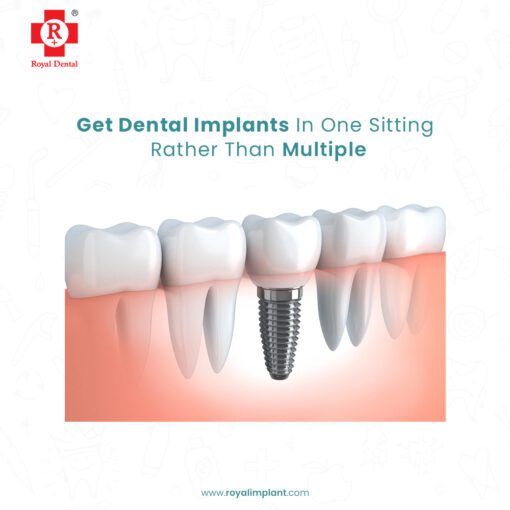
Dental Implants fail due to issues during installation
During the time that your dental implant is being put in, your gums may become infected. If they do, they may not heal properly and surrounding gum tissue may shrink, which can make room for the implant. If this happens, your dentist may need to remove the implant and put in one that’s smaller. While this isn’t the end of the world, it does affect how long it will take for your tooth to heal and for your mouth to fully adjust to the new piece.
Tooth implants fail due to installation errors
This couldn’t really be considered an installation error. But, it’s something to look out for and not something that’s often discussed. If you have an implant placed, you may notice that you can no longer naturally produce saliva. Sometimes, the cause of this is unknown and stems from a neurological issue. However, on some occasions, it can be a result of having a dental implant put in. If your dentist doesn’t know to check for this, it could be the cause of your inability to produce saliva and can cause issues with your dental implant.
Dental implants can fail due to mechanical issues
The majority of dental implants usually do not break. They’re made of titanium and are extremely durable. However, they’re not indestructible, and in some cases, they can be damaged or broken. It’s rare for this to happen, but it does happen occasionally. If your implant breaks, it’s not necessarily the end of the road. You can talk to your dentist about getting another one put in.
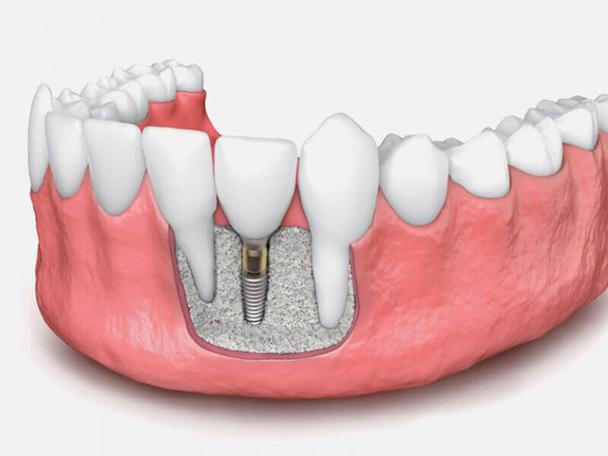
What to do if your dental implants have failed
First things first, you want to know why your teeth implants failed. Once you’re aware of what happened, you can take the appropriate measures to prevent it from happening again. If your dental implants failed due to a medical reason, you’ll want to talk to your dentist about other treatment options. It was an installation error, you’ll want to have the implants removed and replaced. If the problem is mechanical, you may want to try a different implant. If the problem was an installation error, you may want to have a different dentist install the new one.
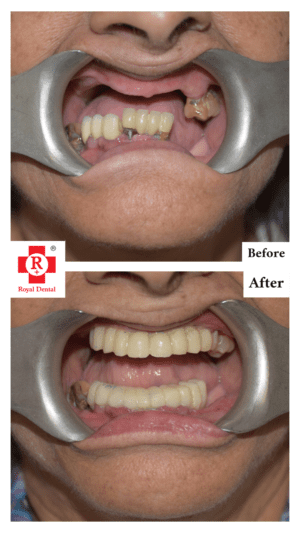
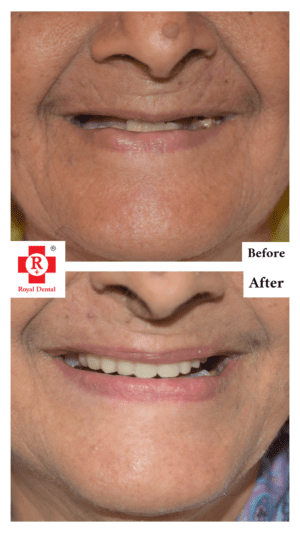
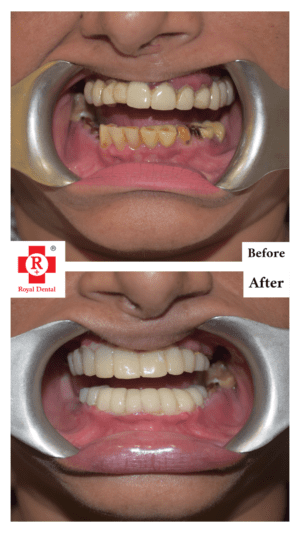
Is it worth getting another Dental Implant?
Ultimately, the choice is up to you. If you have implants that have failed, you can take the steps listed above to find out why they failed and how to fix them. If you discover that it’s not worth it to get another implant, there are other tooth replacement options that you can explore. It’s important to remember that dental implants don’t last forever. It’s estimated that they last about 20 years, which is the average lifespan for a tooth. So, it’s possible that the dental implant you had put in has been failing for a while now. If it has, it’s important to contact your dentist to get it taken care of as soon as possible.
Conclusion
Dental implants are very reliable when it comes to replacing missing teeth. However, no surgery is without risk, and dental implants are no exception. If an implant fails, there are a variety of reasons why it might have happened. It’s important to find out what went wrong so it can be avoided in the future. If your implant has failed, it’s up to you to decide if it’s worth getting another one put in.
Frequently Asked Questions
Can a failed dental implant be replaced?
Yes. Many failed implants can be replaced after identifying and addressing the reason for failure.
How long should I wait before another implant?
The timing varies depending on bone, gum health and whether infection or bone grafting is involved.
Will a second implant fail too?
Not necessarily. Understanding and correcting the cause of the first failure may improve the chances of success.
Is bone grafting always necessary after implant failure?
No. Some patients require bone grafting, while others do not. The decision depends on the amount of available bone.
Should I get a second opinion after implant failure?
If you are uncertain about the cause of failure or your treatment options, seeking a second opinion can be helpful.