
When you discover you have gum disease, the first thing that comes to mind is almost always the same: surgery. Whether it’s an endodontist or periodontist, there are few dentists who will advise anything other than extracting your gums. However, this is not the only way to treat gum disease. There are many natural remedies and home-based treatments you can use instead of having a surgeon cut into your mouth. Here are some natural methods such as mouthwash for treating gum disease without surgery and its risks of dry socket and jawbone recession.
Change your diet to treat gum disease
One of the best ways to treat gum issues is by changing your diet to include more natural and less processed foods. One of the leading causes of gingivitis disease is bad bacteria in your mouth. Many of the foods we eat contribute to this type of bacteria by feeding and growing it. Your diet should consist of more fruits, vegetables, and grains. These foods have less bad bacteria and are very beneficial for healthy gums. Additionally, you should cut out soda, coffee, chocolate, and anything that is acidic. These foods can lead to increased levels of bacteria in the mouth, which can progress and worsen gum disease.

Use natural mouthwash to treat gum disease
A great way to treat gum issues is with natural mouthwash. Mouthwash can be very helpful for people who suffer from gum disease. It can fight against the bacteria in your mouth and prevent it from growing and getting worse. Mouthwash can be found at any drugstore and is relatively inexpensive. It is important to choose a brand that is free of fluoride and other chemicals.
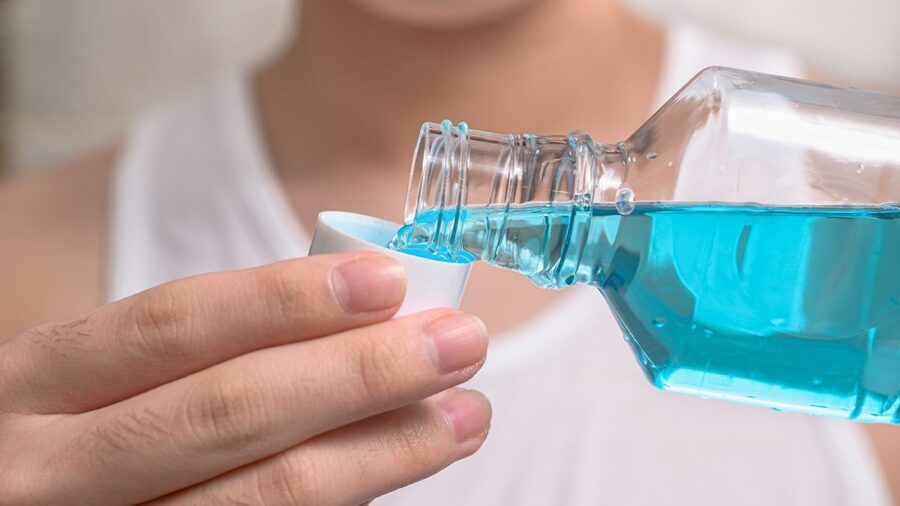
A good option would be a natural mouthwash with essential oils. Something to keep in mind, however, is that mouthwash shouldn’t be used as a substitute for daily flossing. This can be very dangerous and lead to even more gum disease. Mouthwash should only be used once or twice a day. It is also important to note that mouthwash should not be swallowed.
Use baking soda and hydrogen peroxide
Another natural remedy for gingivitis is baking soda and hydrogen peroxide. Baking soda has been used for centuries to treat a variety of things. It is not just a common baking agent, but also very useful in a household. Baking soda is one of the best household cleaning solutions and can be used for a variety of things including cleaning your teeth. Baking soda can be used to help treat gum disease and plaque buildup in the mouth.
When added to a toothbrush, it can help to treat gum disease and fight against plaque buildup. Baking soda can also help to reduce bad breath by quickly killing the bacteria in the mouth that causes it. Hydrogen peroxide is another natural remedy that can be used to treat gum disease. Hydrogen peroxide is best used in a diluted solution. If you have gum disease, you can use hydrogen peroxide to help kill the harmful bacteria in the mouth. Hydrogen peroxide can be added to a daily mouthwash or toothpaste to help treat gum disease. However, it is important to be careful when using this home remedy as it can cause burning in the mouth.
Try flossing and mouth guard treatment
While it may be a bit old school, flossing is still an effective way to treat gum disease. If you have not been flossing regularly, it is recommended that you start doing so or ask your dentist if they can recommend a different treatment to help treat your gum disease. Another natural way to treat gum disease is with a mouth guard. A mouth guard can be used to prevent the bacteria in the mouth from growing and worsening gum infection.
Mouth guards are also beneficial for people who grind their teeth. Those who grind their teeth can often cause gum damage as a result. This is an even more common issue in people who have gum disease. A mouth guard can help to protect your gums while you sleep and help to treat gum disease, as well.
Conclusion
When you have gum issues, it is important to take the time to treat it. Gum problems that goes untreated can lead to more serious health issues in the future. It is important to remember that surgery is a common treatment for gum disease, but it is not the only way to treat it. If you are suffering from gum disease, there are a few natural remedies that you can try to treat it at home. These include changing your diet to include more natural and less processed foods, using natural mouthwash, adding baking soda and hydrogen peroxide to your daily routine, and wearing a mouth guard to protect your gums while you sleep.