

Dental care is a broad term used to describe anything and everything related to keeping your teeth healthy. Your dental health can have a significant impact on your quality of life. Poor or neglected dental hygiene can lead to serious illnesses, aches, pains, and negative social implications. This article will answer all of your questions about dental care practices in India.
Who is this Article For?
This article is for patients and families who want to understand simple dental care practices in India and how daily oral hygiene habits can protect teeth and gums. It is helpful for people who want to prevent cavities, gum disease, bad breath, plaque build-up, tooth decay, and long-term dental problems. The article helps patients understand that dental care is not only about treating pain, but also about prevention, early diagnosis, treatment, and long-term maintenance.
What is Dental Care?
Dental care is the practice of keeping your teeth and gums healthy. There are many different aspects including brushing, flossing, and regular checkups with your dentist. Your dentist can perform routine cleanings and check for signs of tooth decay or other problems. There are many reasons why you should make dental care a priority in your life.
Prevention – Keeping your teeth healthy can reduce your risk of developing many diseases such as heart disease, diabetes, and respiratory illnesses such as pneumonia.
Appearance – Bad breath, yellow teeth, and missing teeth can have a significant impact on your self-confidence.

Health – Untreated cavities can spread to other parts of your body and cause serious health complications.
Comfort – Bad oral health can cause aches and pains such as migraines or gastrointestinal issues.
Social – Poor oral health can cause you to miss school and work and have a negative impact on your relationships.
Finances – Bad oral health is expensive and can cost you thousands of dollars in dental bills.
Why is Dental Care and healthy teeth important?
As you can see from the above section, good dental care can have a significant impact on your life. There are many reasons why you should care for your teeth and gums, but it all comes down to one thing: your overall health. Bad oral hygiene can cause or exacerbate many illnesses and conditions, including heart disease, diabetes, and respiratory diseases like pneumonia. In addition to those serious issues, bad dental care can also impact your appearance and comfort.
Yellow teeth, bad breath, and missing teeth can make you self-conscious and uncomfortable. Untreated cavities can also cause painful headaches, migraines, and gastrointestinal issues. Finally, bad dental hygiene can also have a negative impact on your finances.
Types of Dental Care in India
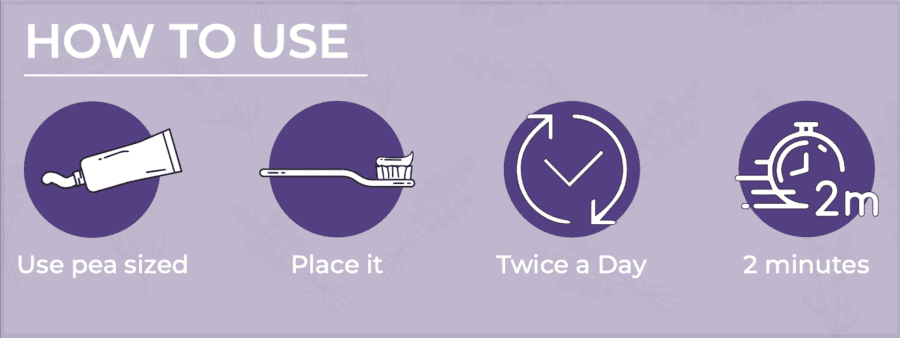
Brushing – Brushing your teeth removes harmful bacteria, plaque, and food particles that can lead to cavities and gum disease. You should brush your teeth twice a day for two minutes each time. There are many different types of toothbrushes, so you should choose the one that is right for you.
Flossing – Flossing is a critical part of dental care that most people forget or don’t do at all. Your teeth have a significant gap between them, and food particles and bacteria can get stuck in there and cause serious health problems.
Regular Checkups – You should visit your dentist for a regular cleaning and checkup. This will allow your dentist to identify potential problems and treat them before they become serious.
How to Achieve Healthy Teeth and Gums
Now that you understand what dental care is and why it’s important, let’s talk about how to achieve healthy teeth and gums. I’ve broken down the process into three steps that you can follow to keep your teeth and gums healthy.
Prevention – This is the most important step in achieving healthy teeth and gums. Prevention is the best way to stay away from dental problems such as cavities and gum diseases. You can do this by making sure you are brushing twice a day with proper technique, flossing regularly, and visiting your dentist for checkups and cleanings.
Treatment – Sometimes even the best dental hygiene can’t save you from bad dental health. In these rare cases, you may need to seek treatment. During the treatment process, your dentist will remove plaque, tartar, and any other harmful substances from your teeth and gums.
Maintenance – After you’ve achieved healthy teeth and gums, you will need to maintain them. This means brushing and flossing regularly to keep plaque and tartar from building up and causing damage to your teeth and gums.
Tips for Good Dental Care and Hygiene by Dentist
Drink Water – Drinking water can help to wash away plaque and keep your mouth clean and healthy. It’s important to drink enough water each day to avoid issues with dry mouth. Your dentist may recommend drinking additional water if you have gum disease or other oral health issues.
Visit Your Dentist – You should visit your dentist once every six months for a cleaning and checkup. A dental checkup can identify and treat cavities, gum diseases, and other oral health issues before they become serious.
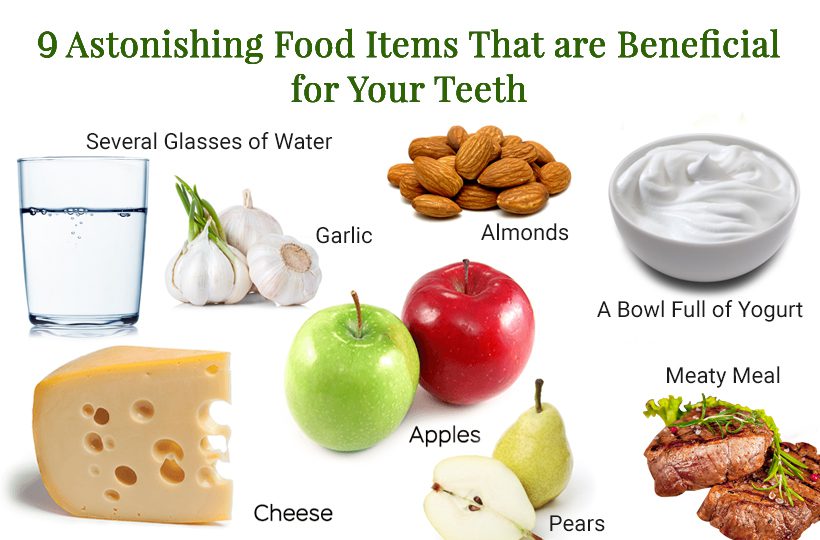
Eat a Balanced Diet – You can’t control what your teeth look like if you aren’t eating a balanced diet. Healthy teeth and gums are dependent on the foods you eat. A balanced diet that includes fruits, vegetables, and plenty of dairy can help prevent cavities.
Avoid Tobacco – Tobacco can cause serious dental issues such as gum disease and tooth decay. You should avoid tobacco and nicotine as much as possible to keep your teeth healthy.
Conclusion
Dental care practices in India should focus on prevention, daily oral hygiene, regular dental check-ups, and timely treatment. Brushing twice a day, flossing regularly, drinking enough water, eating a balanced diet, avoiding tobacco, and visiting the dentist for cleaning and check-ups can help reduce the risk of cavities, gum disease, bad breath, tooth infection, and tooth loss.
Overall, dental hygiene is a critical part of your overall health. There are many reasons why you should care for your teeth and gums, but it all comes down to one thing: your overall health. If you want to stay healthy, you need to care for your teeth. From brushing to flossing, there are many ways to keep your smile healthy. To maintain good dental health, you should follow these tips and visit your dentist for regular cleanings and checkups.
FAQs
1. What are dental care practices in India?
Dental care practices in India include brushing twice a day, flossing regularly, drinking enough water, eating a balanced diet, avoiding tobacco, visiting the dentist for check-ups, and getting professional cleaning when required.
2. Why is dental care important?
Dental care is important because poor oral hygiene can lead to cavities, gum disease, bad breath, tooth pain, tooth infection, missing teeth, and difficulty chewing. Good oral health also supports confidence, comfort, and overall wellbeing.
3. How often should I brush my teeth?
Most patients should brush twice a day for about two minutes using the right brushing technique. Brushing helps remove plaque, food particles, and bacteria that may cause cavities and gum disease.
4. Is flossing necessary for dental care?
Yes, flossing is important because it helps clean between teeth where a toothbrush may not reach properly. It can reduce food lodgement, plaque build-up, gum inflammation, and cavities between teeth.
5. How often should I visit a dentist?
Many patients are advised to visit a dentist regularly for cleaning and check-ups. The exact timing depends on oral hygiene, cavity risk, gum health, medical history, and any ongoing dental concerns.
6. How does diet affect dental health?
A balanced diet can support healthy teeth and gums. Frequent sugary foods, sticky snacks, acidic drinks, and poor nutrition may increase the risk of cavities, enamel damage, gum problems, and bad breath.
7. Why should tobacco be avoided for oral health?
Tobacco can increase the risk of gum disease, tooth staining, bad breath, tooth decay, delayed healing, oral lesions, and other serious oral health concerns. Avoiding tobacco is important for long-term dental and overall health.