

The COVID-19 pandemic highlighted the importance of overall health, including oral health. Researchers have investigated whether there is a connection between COVID-19 and gum disease, particularly because both conditions involve inflammation. While gum disease does not cause COVID-19, several studies have found that people with poor periodontal health may experience a higher risk of severe COVID-19 complications. More research is still ongoing, but maintaining healthy gums remains an important part of overall wellness.
COVID-19 is an oral infection that can cause gingivitis, a type of gum disease that causes swollen and bleeding gums. The condition is often referred to as “smoker’s gingivitis” because it’s most common in people who smoke frequently and those who chew tobacco. But anyone who has COVID-19 can develop this form of gum disease. Covid-19 is a type of bacteria called Fusobacteria, which are found on the surfaces of many different animals. They typically don’t cause any problems for people with healthy immune systems, but for some reason, COVID-19 thrives in smokers or those with weakened immune systems.
Who Is This Article For?
- People with gum disease or bleeding gums
- Individuals recovering from COVID-19
- Patients concerned about oral health risks
- People interested in preventive dental care
- Anyone wanting to understand the connection between oral and overall health
What are the symptoms of COVID-19?
The main symptom of COVID-19 is bleeding gums. Some people with this bacterial infection also notice swelling in their gums and/or a bad taste in their mouth. COVID-19 may also cause discomfort while chewing, and frequent bad breath. If the infection is left untreated, it can spread to the jawbone, causing the gums to separate from the teeth and making it easy for bacteria to enter the bloodstream. This can lead to more serious conditions such as gum disease, tooth loss, heart disease, and kidney failure.

How Is COVID-19 diagnosed?
COVID is diagnosed through a blood test. The test looks for antibodies, which are proteins your body produces to fight off infections. If you have COVID-19, your body will build up antibodies to fight off the infection. You’ll likely see those antibodies appear in a blood test. If you test positive for COVID-19 antibodies, your doctor may recommend a follow-up culture test. A culture test uses a small sample of your saliva to grow the bacteria so that it can be identified. It’s very rare for COVID-19 to be found in saliva, but it could be helpful for your doctor to know exactly what type of bacteria is causing your infection.
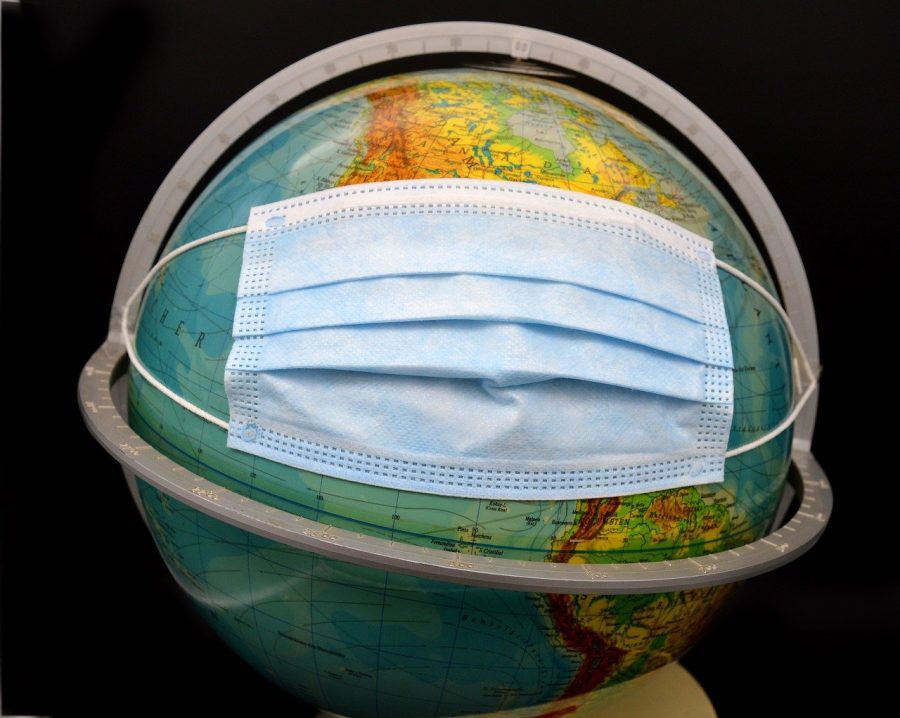
How to treat gum disease caused by Covid-19
People with COVID should see their dentist as soon as possible. Your dentist can treat gum disease caused by COVID-19 using one of these treatment methods:
- Scaling – The dentist will scrape away infected gum tissue, which helps promote healing and keeps bacteria from spreading to the rest of your mouth.
- Root planing – This process uses a special tool to scrape away bacteria on the root surfaces of teeth, which can trigger gum disease or bleeding gums if left untreated.
- Medication – Your dentist may prescribe an antibiotic to kill off the COVID-19 in your mouth.
How to prevent COVID 19 from causing Gum Disease
Preventing COVID-19 is much easier than treating it. People with weak immune systems should avoid tobacco products and contact with animals, which can spread COVID-19. Also it can reduce their risk of contracting COVID-19 by thoroughly washing their hands after handling animals and before eating.
People with weak immune systems should also visit their dentist more often than usual and have their teeth cleaned every three months instead of every six months. This can help catch any gum disease caused by COVID-19 early. You can also help prevent COVID-19 by practicing good oral hygiene, such as brushing and flossing daily.
Is Covid 19 good or bad?
COVID 19 is bad because it’s a bacterial infection that can cause gum disease and tooth loss. It’s also very common in people with weak immune systems, such as people with diabetes or HIV/AIDS. If you test positive for COVID-19 antibodies, the best way to prevent gum disease is by reducing your risk of contracting COVID-19 in the first place. You can do this by thoroughly washing your hands after handling animals and before eating. You can also help prevent COVID 19 by practicing good oral hygiene, such as brushing and flossing daily.
Conclusion
Current research suggests an association between COVID-19 and gum disease, particularly regarding the severity of COVID-19 complications. While gum disease does not directly cause COVID-19, chronic inflammation and poor oral health may contribute to worse health outcomes. Maintaining healthy gums through good oral hygiene, regular dental care, and early treatment of periodontal disease remains an important part of supporting overall health.
Frequently Asked Questions
Is there a link between COVID-19 and gum disease?
Yes. Several studies have reported an association between periodontal disease and increased COVID-19 severity, although more research is needed to establish direct causation.
Can gum disease increase the risk of severe COVID-19?
Research suggests that individuals with severe periodontal disease may have a higher risk of severe COVID-19 complications due to increased systemic inflammation.
Did COVID-19 affect oral health?
Some COVID-19 patients experienced dry mouth, oral lesions, taste disturbances, and other oral symptoms during infection.
Can good oral hygiene help reduce health risks?
Good oral hygiene helps reduce plaque accumulation, gum inflammation, and periodontal disease, supporting better oral and overall health.
What are the signs of gum disease?
Common signs include bleeding gums, swollen gums, bad breath, gum recession, loose teeth, and discomfort while chewing. Early dental evaluation is recommended if these symptoms occur.