Good oral hygiene should begin as soon as a child’s first tooth appears. Children need help developing proper brushing and dental care habits because they may not yet have the coordination or understanding needed to clean their teeth effectively. Brushing twice a day with an appropriate amount of fluoride toothpaste, cleaning between the teeth when appropriate, limiting sugary foods and drinks, and having regular dental check-ups can help protect children’s teeth from cavities and other dental problems.
Having healthy teeth and oral hygiene habits is important for everyone. Having great oral hygiene can also be especially challenging for kids who may not have the capacity to understand the importance of good dental practices or perhaps may find those practices a bit more challenging to follow. With that being said, here are 5 tips that you can use to help your child develop excellent oral hygiene habits. Visit your dentist regularly.
Who Is This Article For?
- Parents of babies and young children
- Parents teaching children how to brush
- Families concerned about childhood cavities
- Parents looking for simple oral hygiene routines
- Anyone wanting to improve their child’s dental health
Brush your Teeth twice a day
Brushing your teeth twice a day is the first step to achieving excellent oral hygiene. The first time you brush your teeth should be at least 2 hours after eating. While you are brushing, make sure that you are going with long, slow strokes, and that you are brushing both the outsides and insides of your teeth.
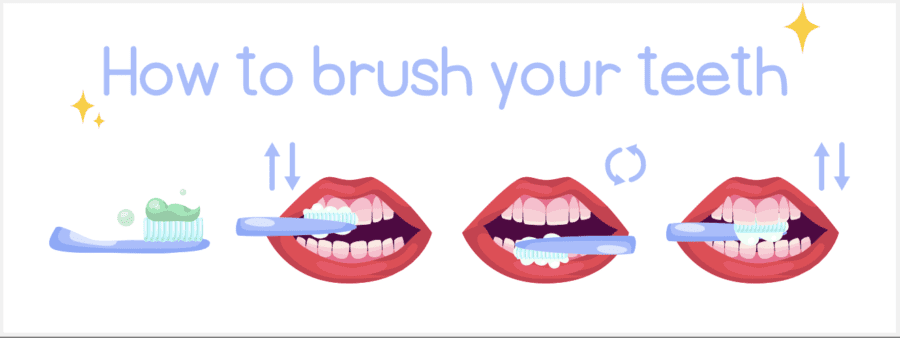
You should also be brushing your tongue for optimal oral health. When you are brushing, it is important to make sure that you are brushing the surfaces of the teeth. The surfaces of the teeth are where cavities and gum disease lie. You can also use an anti-gingivitis toothpaste to help with this.
Floss every day
While many people think that you only need to floss once a day, the reality is that you should do it at least once every single day if you want to prevent cavities and get the best oral hygiene results possible. Flossing is one of the most important parts of brushing. It removes plaque-causing bacteria that brushing alone often misses. It also helps decrease gum disease and other dental issues that come from bacteria in the mouth.
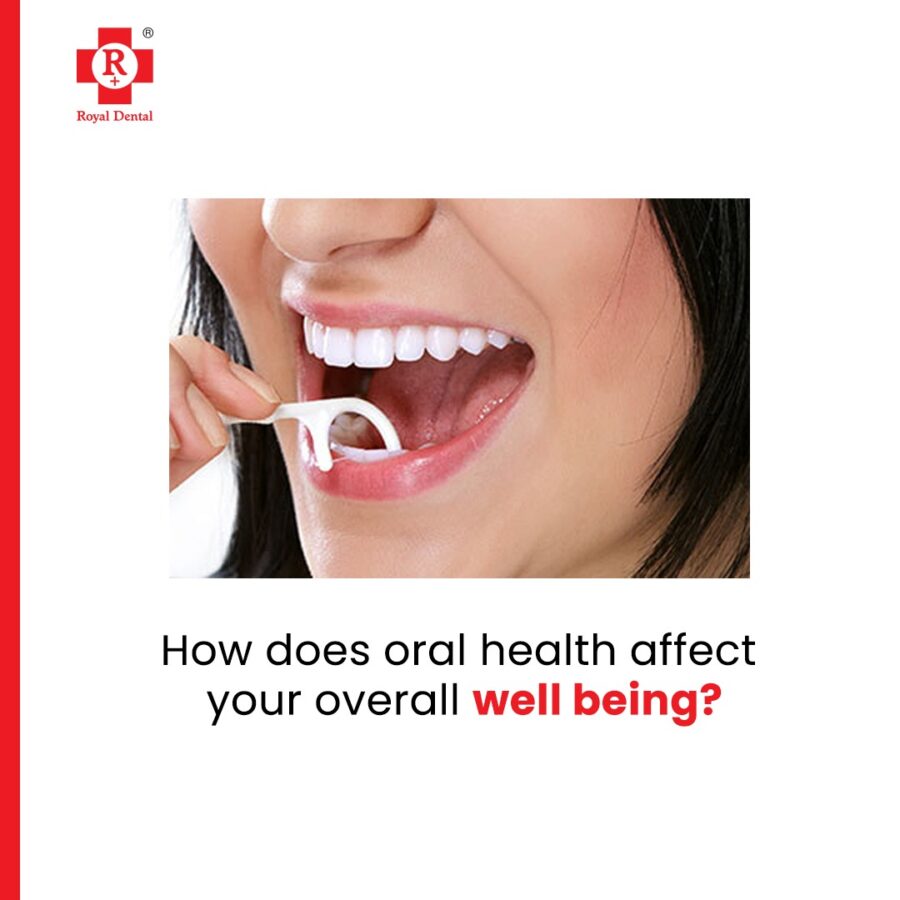
Flossing is not hard to do, even if it is challenging to do as a child. To make it easier, you can use floss holders or even dental tape to help ensure that you are able to get a proper clean. It is also important to note that you should not use flavored floss as it can cause damage to your teeth and gums.
Use an Electric Toothbrush
It has been proven that electric toothbrushes are more effective than manual toothbrushes at removing plaque and preventing gum disease. They also can be easier for kids to use as they may not have as much dexterity as adults do to brush manually.
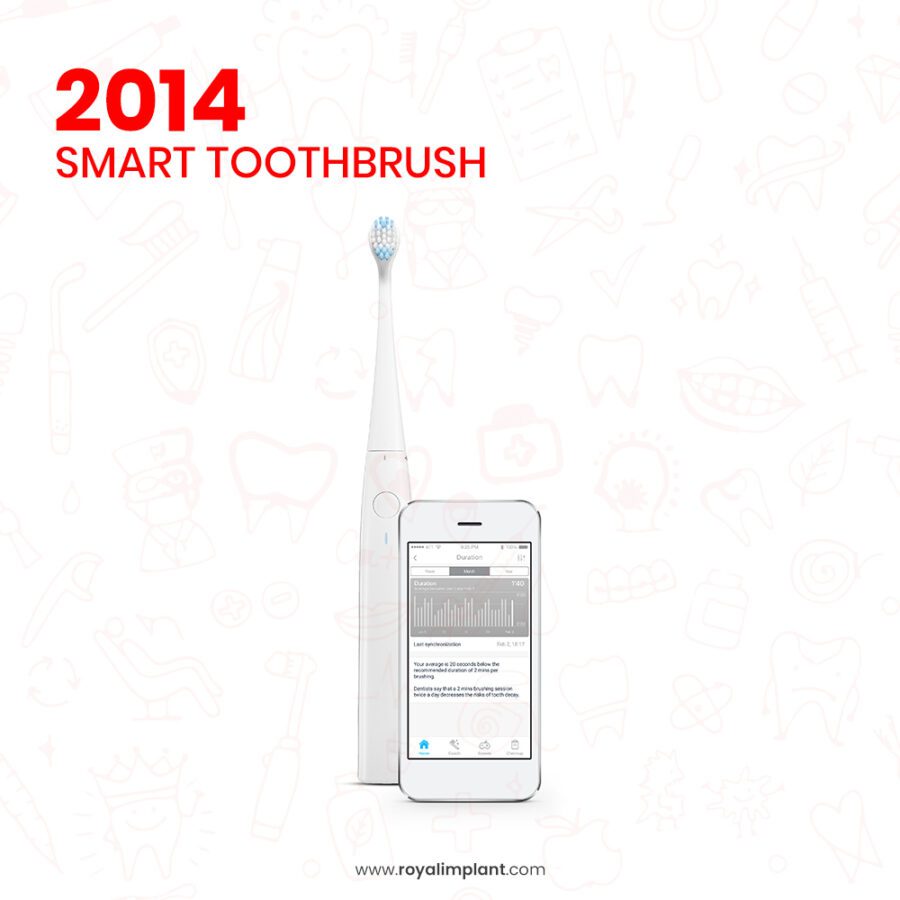
If you are using a manual toothbrush, make sure you are doing it correctly. You want to be brushing your teeth for 2 minutes at a time. If you are using an electric toothbrush, you may want to reach out to the company to see if they have additional tips for optimal use.
Go to the Dentist regularly
Taking your child to the dentist regularly (at least once a year) is essential for maintaining good oral hygiene. Visiting the dentist is the only way that your child will be able to get X-rays to identify any potential dental issues. Visiting the doctor also gives your child the opportunity to learn about optimal dental care and how to treat their teeth as well as they can. The dentist can also prescribe fluoride treatments to help strengthen your child’s teeth. This can go a long way towards preventing cavities and gum disease.
Encourage your Child to rinse with Mouthwash
Rinsing with mouthwash can go a long way towards improving your child’s oral health. Mouthwash can help to kill bad bacteria and viruses in your child’s mouth. Rinsing with mouthwash before brushing can help to improve the results of brushing. It can also help to freshen breath. Rinsing with mouthwash after brushing can help to protect the teeth from the acid produced by bacteria in the mouth. It can also prevent staining of your child’s teeth.
Conclusion
Good oral hygiene for children starts early and depends on simple habits followed consistently. Brushing twice a day with fluoride toothpaste, helping children brush properly, limiting sugary foods and drinks, cleaning between teeth when necessary, and visiting the dentist regularly can help prevent cavities and support healthy teeth. Parents play an important role in developing these habits, especially during the early years. With regular home care and professional dental check-ups, children can build a strong foundation for healthy teeth and gums as they grow.
Book Your Consultation
At Royal Dental Clinics, our team provides child-friendly dental examinations, preventive care, cavity prevention, fluoride guidance, and personalised oral hygiene advice. If you have concerns about your child’s teeth, brushing habits, cavities, or dental development, Book your consultation today for professional guidance and age-appropriate dental care.
Frequently Asked Questions
What is the best way to maintain child oral hygiene?
Brush your child’s teeth twice a day with fluoride toothpaste, supervise brushing, clean between teeth when necessary, limit sugary foods and drinks, and schedule regular dental visits.
When should I start brushing my child’s teeth?
Start brushing as soon as the first tooth appears. Use a soft, child-sized toothbrush and an age-appropriate amount of fluoride toothpaste.
How much toothpaste should my child use?
Children younger than 3 years should use a rice-sized smear of fluoride toothpaste. Children aged 3 to 6 years should use no more than a pea-sized amount.
How often should children brush their teeth?
Children should generally brush twice a day, in the morning and before bedtime.
When should my child first visit the dentist?
A child should have their first dental visit by age one or within six months after the first tooth erupts.
Can baby teeth get cavities?
Yes. Baby teeth can develop cavities and infections, which can cause pain and affect eating, sleeping, and normal development.