Understanding the Causes of Tooth Loss
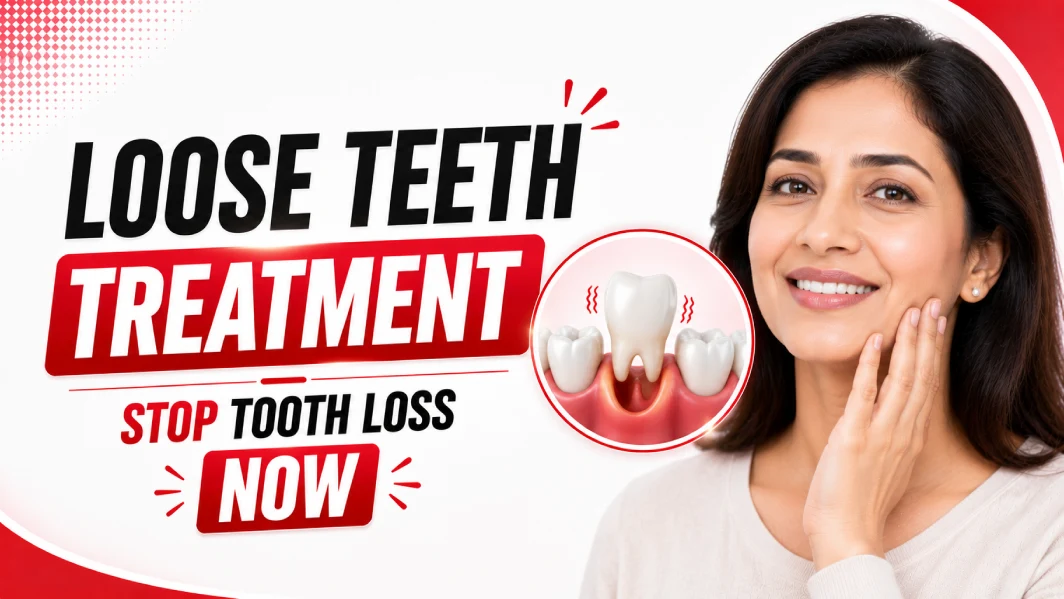
As we embark on our quest to protect our teeth from the clutches of tooth loss, it is crucial to first unmask the triggers that threaten their well-being. Dr. Chirag Chamria, your knowledgeable guide from Royal Dental Clinics, sheds light on the primary causes behind tooth loss in adults. By understanding these culprits, we can take proactive measures to fortify our dental defenses and preserve our precious smiles.
Poor Oral Hygiene
Neglecting to brush and floss regularly allows harmful bacteria to thrive, leading to the formation of plaque and tartar. Over time, these stubborn deposits can erode tooth enamel, cause cavities, and pave the way for gum disease. Dr. Chamria stresses the importance of establishing a diligent oral care routine, ensuring that you brush your teeth twice a day and floss at least once daily.
Untreated Dental Issues
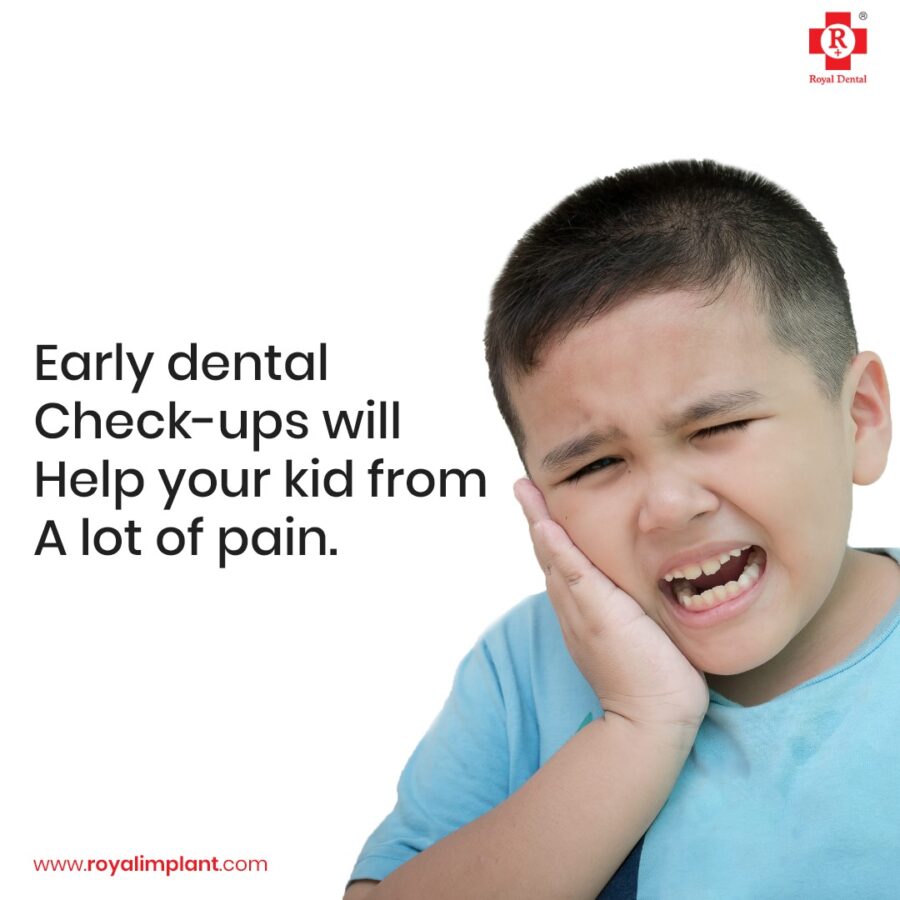
Ignoring early signs of dental problems, such as tooth decay or gum inflammation, can have dire consequences. Left untreated, these issues can progress, leading to severe infections, abscesses, and ultimately tooth loss. Dr. Chamria advises patients to promptly seek dental attention at the first sign of discomfort or abnormalities, preventing minor problems from escalating into major dental crises.
Gum Disease
It starts with gum inflammation (gingivitis) and, if left unchecked, progresses to periodontitis, a more severe form of the condition. As the infection advances, it can destroy the supporting structures of the teeth, including the gums and jawbone, leading to tooth mobility and eventual loss. Dr. Chamria advocates regular dental check-ups and professional cleanings to catch and address gum disease early on.
Age and Wear
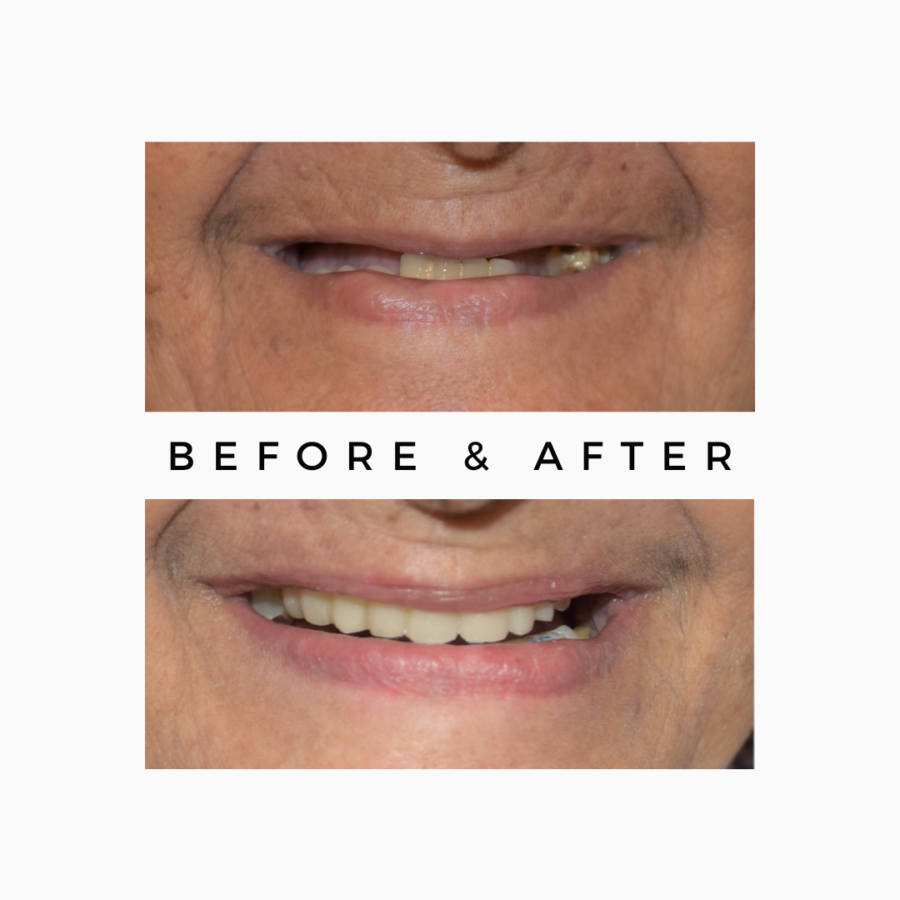
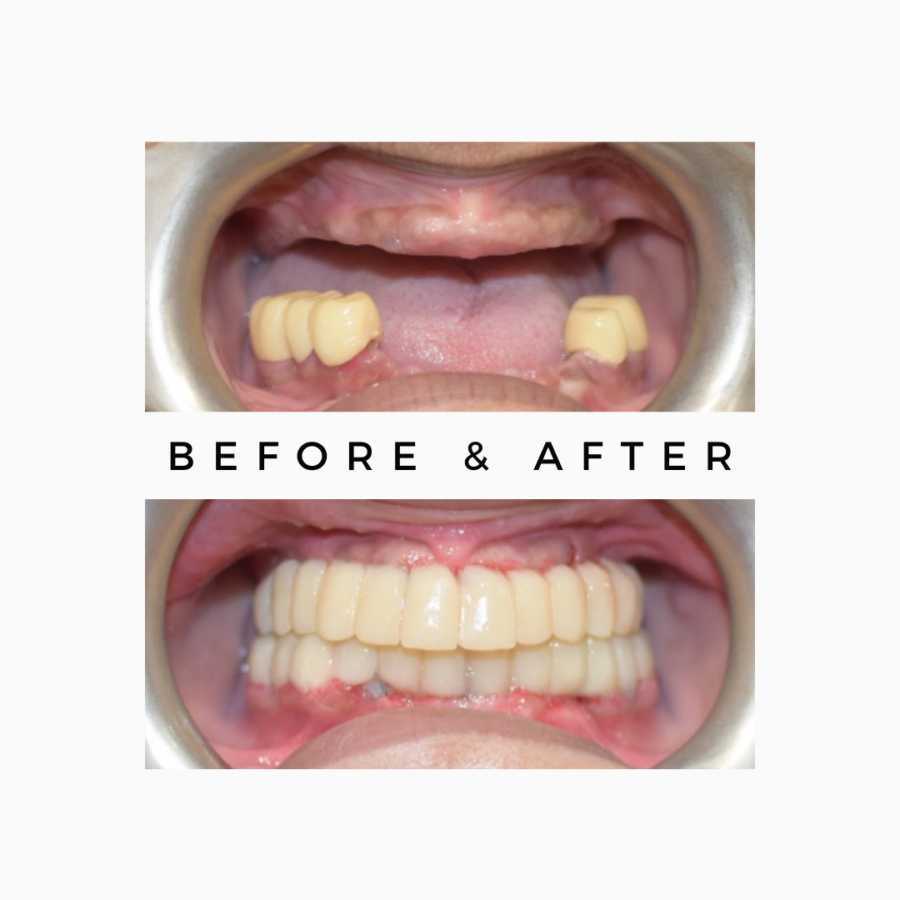
As we age, our teeth may gradually weaken, becoming more susceptible to fractures and decay. Additionally, habits like teeth grinding (bruxism) can accelerate tooth wear and lead to damage over time. While we can’t stop the aging process, Dr. Chamria recommends protective measures such as mouth guards for those with bruxism, helping to minimize the impact of wear on the teeth.
Traumatic Injuries
Unexpected Threats Accidents happen, and sometimes they can result in traumatic injuries to the mouth and teeth. Sports-related incidents, falls, or even car accidents can cause fractures, dislodgement, or complete loss of teeth. Dr. Chamria highlights the importance of wearing mouth guards during sports activities and taking precautions to prevent dental injuries. Seeking immediate dental attention after an injury is vital for the best chance of saving a damaged tooth.
Medical Conditions and Medications
Conditions like diabetes and autoimmune diseases can impact gum health and increase the risk of gum disease. Additionally, some medications, such as those used in cancer treatments or for autoimmune disorders, may have oral side effects that require careful monitoring by a dentist. Dr. Chamria advises patients with medical conditions to communicate openly with their dentist to ensure a comprehensive approach to dental care.
Building Strong Oral Care Habits
Embrace the Art of Brushing
Twice a Day, Every Day The first line of defense in oral care is brushing our teeth regularly. Dr. Chamria emphasizes the significance of brushing twice a day, in the morning and before bedtime, using a soft-bristled toothbrush and fluoride toothpaste. Adopting the right technique – gently brushing in circular motions to clean the surfaces of teeth and gums – ensures the removal of plaque and food particles, reducing the risk of decay and gum disease.
Floss Like a Pro
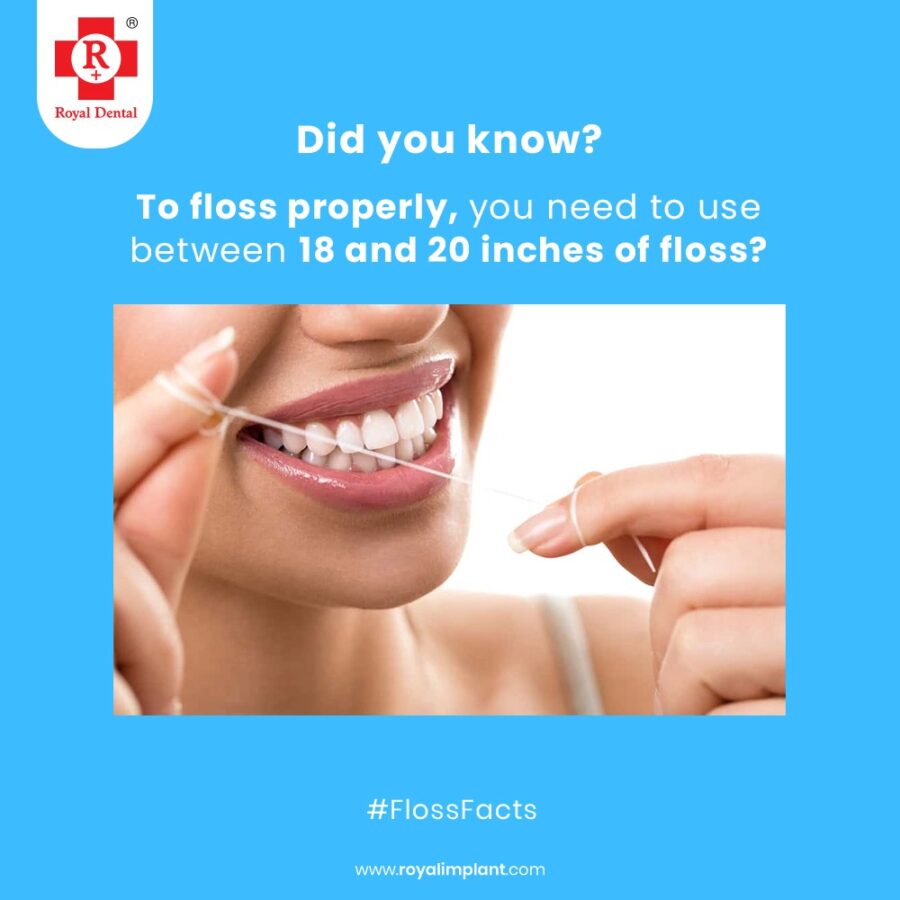
Beyond Toothbrushes Brushing cleans our teeth’s exposed surfaces but not their tight spaces. Oral care superhero flossing comes in. Dr. Chamria recommends flossing regularly to avoid cavities and gum disease. The proper flossing technique is essential, as incorrect flossing can cause damage to the gums.

Dance of Fluoride
Strengthening Tooth Enamel Fluoride, a naturally occurring mineral, plays a crucial role in fortifying tooth enamel and defending against decay. Dr. Chamria explains the benefits of fluoride toothpaste and the importance of drinking fluoridated water to support dental health. For those at higher risk of cavities, fluoride treatments at the dental office can provide an extra layer of protection.
Pay Homage to Your Toothbrush
Replace and Renew Toothbrushes are loyal companions in our oral care journey, but like all companions, they have a limited lifespan. Dr. Chamria advises replacing toothbrushes every three to four months or sooner if the bristles become frayed. An old and worn-out toothbrush may not clean effectively, compromising your oral health.
Rinse Away Troubles
The Role of Mouthwash Mouthwash is more than just a breath freshener; it can be a valuable addition to your oral care routine. Dr. Chamria explores different types of mouthwash, from those that combat bad breath to fluoride-based mouth rinses that strengthen tooth enamel. However, it’s essential to use mouthwash as a supplement to, not a substitute for, regular brushing and flossing.
Your Ally in Prevention
Dental checkups Home oral care is important, but dentists are essential. Dr. Chamria stresses the need of frequent dental check-ups, usually every six months, to monitor your teeth health, discover early concerns, and obtain expert cleanings that you may overlook.
Nourishing Your Teeth after Tooth Loss
Calcium
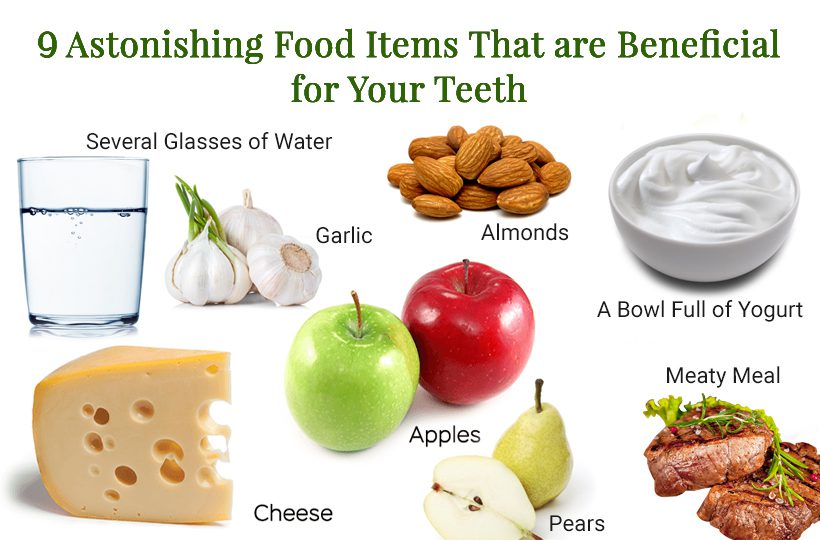
The Building Block of Strong Teeth Calcium is the unsung hero when it comes to dental health. It plays a fundamental role in building and maintaining strong tooth enamel, which acts as the protective outer layer of our teeth. Dr. Chamria recommends incorporating calcium-rich foods such as milk, cheese, yogurt, and leafy greens into our diet to nourish our teeth from within.
Vitamin D
Enhancing Calcium Absorption While calcium takes center stage, it requires a supporting actor to truly shine. Enter vitamin D – the nutrient responsible for aiding calcium absorption. Sunlight is an excellent natural source of vitamin D, but dietary sources such as fatty fish, egg yolks, and fortified foods can also help ensure our bodies utilize calcium effectively, leading to healthier teeth and bones.
Phosphorus
Strengthening Tooth Structure Phosphorus teams up with calcium to fortify tooth structure and enhance the remineralization process. Foods like meat, fish, eggs, nuts, and dairy products are rich in phosphorus and should be part of a balanced diet for optimal dental health.
Vitamin C
The Gum Protector While vitamin C is well-known for boosting the immune system, it also plays a crucial role in maintaining healthy gums. Dr. Chamria highlights the importance of vitamin C in preventing gum disease and suggests incorporating citrus fruits, strawberries, kiwi, and bell peppers into our diet to bolster gum health.
Crunch and Munch
Tooth-Friendly Snacks Not all snacks are created equal, especially when it comes to dental health. Dr. Chamria advises patients to opt for tooth-friendly snacks that promote saliva production and help wash away food debris. Snacking on crunchy fruits and vegetables like apples, carrots, and celery stimulates saliva flow, acting as a natural defense against cavities.
Water
Nature’s Hydration Hero Often overlooked, water is a powerhouse in oral care. Drinking water helps rinse away food particles and neutralize acid in the mouth, reducing the risk of tooth decay. Dr. Chamria recommends staying hydrated throughout the day and opting for fluoridated water when possible for an added layer of dental protection.
Limiting Sugary and Acidic Foods
Enemies of Dental Health While nourishing foods contribute to strong teeth, it is equally vital to be cautious about the enemies of dental health – sugary and acidic foods. Frequent consumption of sugary treats can fuel harmful bacteria, leading to cavities, while acidic foods can erode tooth enamel. Dr. Chamria advises moderation and proper oral care after consuming these foods to mitigate their impact.
Shielding Your Teeth during Physical Activities
Sports injuries may cause tooth loss in adults. Dr. Chamria stresses the need of mouth guards and other precautions to protect our teeth when exercising.
Impact of Sports on Dental Health
Recognizing the Risks Engaging in sports and physical activities can be exhilarating, but it also exposes us to potential dental risks. Dr. Chamria sheds light on the impact of sports-related injuries on dental health, including chipped, cracked, or knocked-out teeth. Awareness of these risks empowers us to take proactive steps to protect our precious smiles.
Role of Mouth guards
A Shield for Your Teeth Mouth guards are the unsung heroes of sport safety. Dr. Chamria explains the different types of mouth guards available, from ready-made to custom-fitted options. Custom-fitted mouth guards, crafted by dental professionals, offer the best protection, ensuring a secure and comfortable fit that stays in place during rigorous physical activities.
Mouth guard Maintenance
Extending its Lifespan Like any protective gear, proper maintenance is essential to prolong the life and effectiveness of mouth guards. Dr. Chamria shares valuable tips on how to clean and store mouth guards to keep them hygienic and ready for action. Regularly inspecting and replacing worn-out mouth guards is also key to ensuring optimal protection.
Beyond Mouth guards
Additional Protective Measures While mouth guards offer excellent protection, certain sports may require additional safeguards. Dr. Chamria advises on the use of face masks, helmets, and other protective gear, depending on the nature of the activity. These measures add layers of defense, minimizing the risk of dental injuries and ensuring our smiles stay intact.
Immediate Action
Handling Dental Injuries on the Field Despite precautions, accidents can happen. Dr. Chamria equips us with knowledge on how to handle dental injuries on the field, from knocked-out teeth to fractured teeth. Quick and appropriate action immediately following an injury can make a significant difference in saving a tooth.
Seeking Professional Help: Tooth Loss
As your valued oral health partner, your dentist prevents tooth loss. Regular dental check-ups, professional cleanings, and complete exams help your dentist see any problems early and provide customized treatment options. Your dentist allows you to actively manage your dental health by educating patients and using advanced dental technologies. A caring and pleasant dental home ensures a lifetime of strong and healthy teeth. Follow your dentist, Dr. Chirag Chamria, to protect your smile.
Conclusion
Tooth loss is not an inevitable part of aging. In most cases, it is linked to preventable conditions such as gum disease, tooth decay, smoking, poor oral hygiene, and untreated dental problems. Brushing twice daily, flossing regularly, attending routine dental check-ups, limiting sugary foods, and addressing dental issues early can significantly reduce the risk of losing teeth.
Maintaining healthy gums is especially important because gum disease remains one of the leading causes of tooth loss in adults. Early signs such as bleeding gums, loose teeth, swelling, and persistent bad breath should never be ignored. By adopting preventive dental care habits and seeking timely treatment, adults can often preserve their natural teeth for many years.
FAQ
What is the leading cause of tooth loss in adults?
Gum disease is one of the most common causes of tooth loss in adults, followed by tooth decay and dental trauma.
Can tooth loss be prevented?
Yes. Good oral hygiene, regular dental visits, healthy dietary habits, and early treatment of dental problems can significantly reduce the risk of tooth loss.
How often should adults visit a dentist?
Most adults benefit from regular dental examinations and professional cleanings every six months, although some individuals may require more frequent visits.
Does smoking increase the risk of tooth loss?
Yes. Smoking is strongly associated with gum disease and can increase the likelihood of tooth loss.
Can loose teeth be saved?
In some cases, early treatment of gum disease or other underlying conditions may help stabilize and preserve loose teeth. A dental evaluation is necessary to determine the best approach.
Why is flossing important for preventing tooth loss?
Flossing helps remove plaque and food particles between teeth where toothbrush bristles cannot reach, helping to protect the gums and supporting structures of the teeth.
What should I do if I have already lost a tooth?
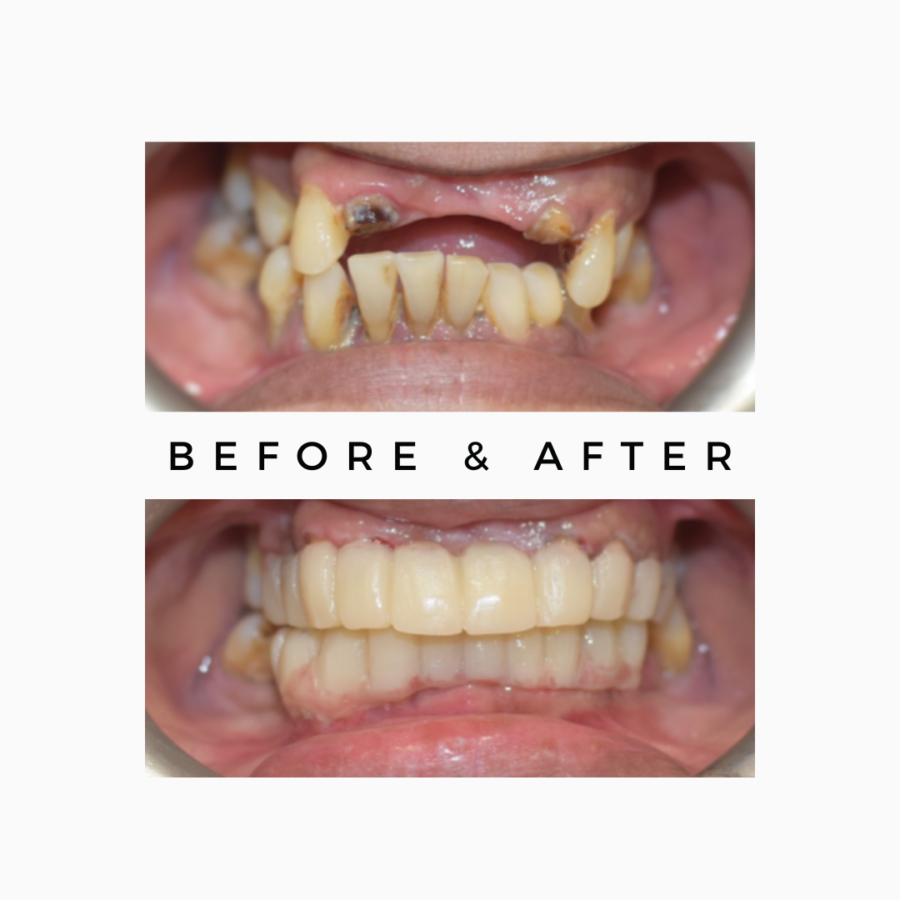
Prompt replacement with options such as dental implants, bridges, or dentures may help prevent bone loss, shifting teeth, and additional oral health complications.
© All rights reserved by Royal Dental Implants Pvt Ltd
Issued in public interest