
If you’ve ever seen a professional football or cricket player with a mouthguard, you might be wondering why it seems like they’re the only ones who are wearing one. These athletes are at an extremely high risk of developing a dental injury while playing their sports. In fact, studies show that over 90% of concussions occur from head impacts with another player. In light of this information, more athletes are investing in mouthguard to protect their teeth during practice. Sports injury is common, thus many sportsmen wear a mouthguard, which acts as a protection for their teeth and oral health. Learn how mouthguard for sports protect teeth and oral tissues, which athletes need them, the different types, and how to choose and care for one.
Who Is This Article For?
- Athletes who participate in contact or collision sports
- Parents choosing mouth protection for children involved in sports
- People who participate in recreational activities with a risk of falls or facial injury
- Athletes with braces, dental restorations or other dental concerns
- Anyone who wants to understand the benefits and types of sports mouthguards
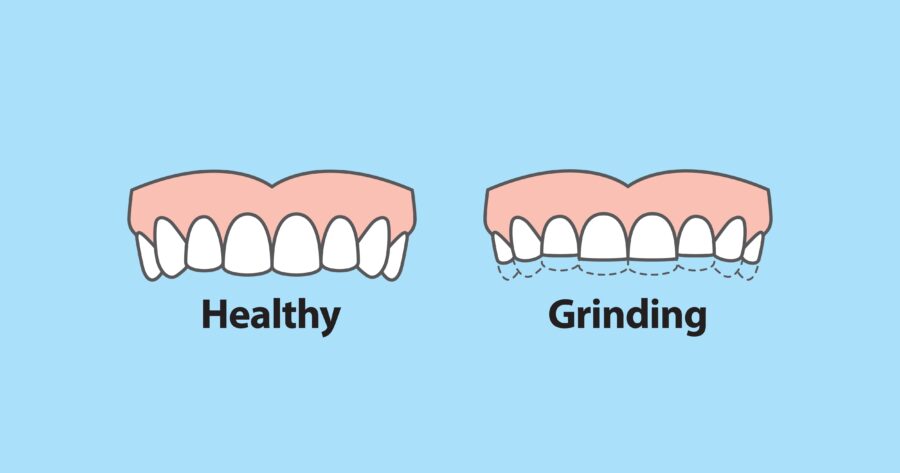
Protect against dental injuries with a Mouthguard
If you’re participating in any sport, there’s a chance you could get hit in the mouth. If you don’t wear a mouthguard, the force of the impact can lead to a chipped tooth, fractured tooth, gingivitis, or another type of dental injury. A mouthguard is a barrier between the impact and your teeth, preventing any potential injury. It’s essential to wear a mouthguard if you play football or rugby, participate in basketball, hockey, or any other sport where there’s a high risk of getting hit in the mouth.
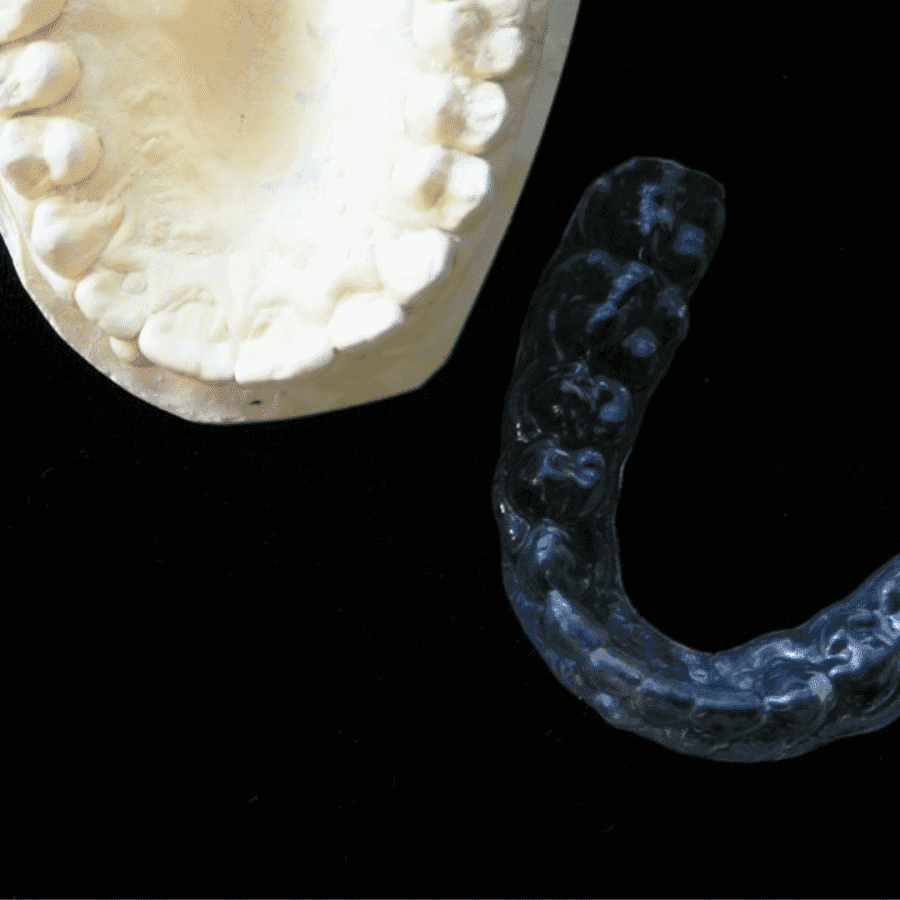
It’s important to know that a mouthguard isn’t just for contact sports. If you’re participating in a sport that has the potential to cause a fall, you should also be wearing a mouthguard. Sports like cheerleading, gymnastics, skiing, and skateboarding are just a few examples of activities that could cause a fall. Falling with a loose tooth or an open mouth could lead to a serious injury. A mouthguard can help prevent this from happening.
Build Oral Health Habits
It’s no secret that an athlete’s oral health is just as important as the rest of their health. When wearing a mouthguard, it’s important to clean and floss regularly. A mouthguard can trap and hold bacteria and food particles that may cause odours, gingivitis, or other oral health issues. If you wear a mouthguard regularly, it can also help you build oral hygiene habits, such as brushing and flossing. When you’re wearing a mouthguard, it’s easy to remember to brush your teeth regularly. It’s also convenient to floss with the mouthguard in place. These habits can help prevent any potential dental issues that may arise.
Promote better breath Smell and Taste
Your breath can be a great indicator of your oral health. Healthy gums are supposed to be a bright pink colour, and your breath should smell fresh. If your gums are healthy, they’re less likely to bleed when you floss and clean your teeth. The fact is that athletes are 60 times more likely to sustain damage to the teeth when not wearing a protective mouthguard. Often, these injuries will result in permanent damage to oral structures requiring medical intervention.
Healthy gums are also able to protect your teeth from bacteria and other oral issues that can cause bad breath. If you wear a mouthguard, you’re less likely to bleed when flossing and brushing. This can help promote a healthier mouth and fresher breath because the mouthguard is preventing your gums from bleeding.
Mouthguard prevents Gums from Bleeding
If you wear a mouthguard, you’re less likely to bleed when flossing and brushing. This can help promote a healthier mouth and fresher breath because the mouthguard is preventing your gums from bleeding. Apart from protecting your teeth and dental work, wearing a mouthguard can protect you from serious injuries during contact sports. Investing in a quality mouthguard can absorb a blow to the jaw, preventing a fractured jaw, concussion, neck injuries, and cerebral haemorrhage.
Conclusion
As you can see, there are many benefits of wearing a mouthguard for sports and activities. Simply put, a mouthguard offers protection where other dental products can’t. It’s important to note that wearing a mouthguard won’t prevent injury completely, but it can help reduce the force of an impact on your teeth. It’s also important to keep in mind that wearing a mouthguard can help prevent dental injuries, but it can’t prevent concussions. If you’re playing a contact sport, it’s important to wear a nightguard to prevent dental injuries.
Frequently Asked Questions
1. What are the benefits of wearing a mouthguard during sports?
A properly fitted mouthguard can help reduce the incidence and severity of sports-related dental and orofacial injuries, including injuries to the teeth and soft tissues of the mouth.
2. Which sports require a mouthguard?
Mouthguards are particularly recommended for sports with a significant risk of contact, collision, falls or facial impact, including football, boxing, rugby, hockey, martial arts and several recreational activities.
3. Are custom mouthguards better than store-bought mouthguards?
Custom mouthguards offer a personalized fit and can provide good retention and comfort. Properly fitted boil-and-bite mouthguards can also provide effective protection and may be more affordable.
4. Can a mouthguard prevent a concussion?
Mouthguards are proven primarily for reducing dental and orofacial injuries. Evidence that they prevent concussions is mixed, so they should not be relied upon as a concussion-prevention device.
5. How often should a sports mouthguard be replaced?
Replace a mouthguard when it becomes damaged, worn, deformed or no longer fits properly. Children and teenagers may need replacement more frequently because their mouths and teeth are developing.