Facebook
Cosmetic DentistryGeneral DentistryOne Day DentistrySAPTeeth

Tooth Mobility: Causes, Symptoms, and Effective Treatment Options

Cosmetic Teeth Moving tooth

Tooth mobility, or loose teeth in adults, is more than just a dental inconvenience—it’s often a sign of an underlying oral health problem that requires prompt attention. While children naturally lose their primary teeth to make way for permanent ones, tooth movement in adults is abnormal and should not be ignored. Understanding what causes tooth mobility, recognizing the symptoms early, and seeking the right treatment can make a significant difference in preserving your smile and oral health.

What Is Tooth Mobility?

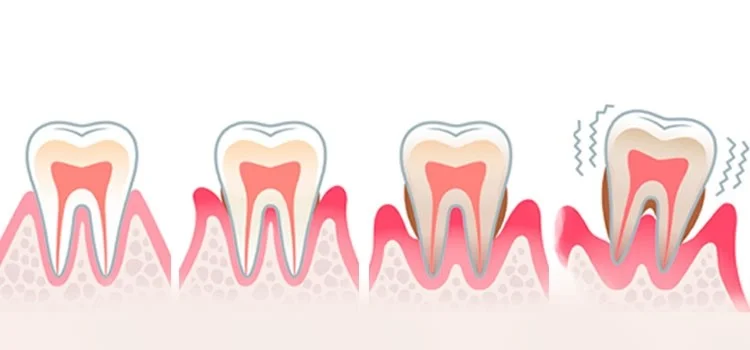
Tooth mobility means that a tooth is moving more than it should. Normally, every tooth has a small amount of natural movement because it is held in place by a soft tissue called the periodontal ligament. This slight movement helps the tooth handle pressure while chewing. But if a tooth feels loose or wobbly even when you’re not eating, it could be a sign that something is wrong. The gums, bone, and other tissues that support the tooth may be damaged. This can happen because of gum disease, injury, infection, or bone loss. If not treated in time, the tooth may become more loose and may even fall out. That’s why it’s important to see a dentist early and find out the cause so the tooth can be treated and saved.

tooth mobility

Common Causes of Tooth Mobility

Tooth mobility can happen for several reasons, and understanding the cause is the first step toward proper treatment. While some cases are temporary and harmless, others may indicate deeper dental problems that need attention.

1. Gum Disease (Periodontitis)
One of the most common causes, gum disease affects the gums and supporting bone around the teeth. If not treated early, it can lead to bone loss, which weakens the tooth’s foundation and causes it to become loose.

2. Tooth or Jaw Injury
Accidents, sports injuries, or even habits like teeth grinding (bruxism) can put extra pressure on the teeth and loosen them over time.

3. Bone Loss
Bone around the teeth may reduce due to aging, gum infections, or medical conditions like osteoporosis. With less bone to support it, the tooth may shift or become mobile.

4. Orthodontic Movement
During braces or aligner treatment, teeth are moved into better positions. This controlled movement can make the teeth feel slightly loose temporarily but is usually part of the normal process.

5. Infections or Abscesses
An untreated dental infection near the root of a tooth can cause swelling and damage to the tissues holding the tooth in place, leading to mobility.

6. Poor Oral Hygiene
Plaque and tartar buildup can irritate the gums, eventually leading to gum recession and weakening of the structures that keep teeth stable.

If you’re experiencing a loose tooth or discomfort while chewing, it’s important to seek dental advice without delay. At Royal Dental Clinics, our expert team uses advanced diagnostic tools to find the exact cause of tooth mobility in Mumbai and offers customized treatment options—all under one roof, often in a single sitting. Early care can help save your tooth and restore confidence in your smile.

Symptoms of Tooth Mobility

Tooth mobility often starts with subtle signs that many people ignore until the condition becomes serious. Recognizing the early symptoms can help prevent long-term damage and even tooth loss. Here are the common symptoms you should not overlook:

1. Wobbly or Shifting Tooth
If your tooth moves when you press it with your tongue or finger, it may be more than normal. This is often the first sign of mobility.

2. Pain While Chewing or Biting
A loose tooth may cause discomfort or pain while eating, especially when biting down on hard or chewy foods.

3. Swollen or Bleeding Gums
Gums that bleed easily while brushing or appear red and puffy may point to gum disease, which is a major cause of tooth mobility.

4. Increased Tooth Sensitivity
You may notice a sudden sensitivity to hot, cold, or sweet foods, especially near the gum line of the affected tooth.

5. Gum Recession
If the gums start pulling away from the teeth, exposing more of the tooth’s surface or root, it can lead to instability.

6. Pus or Bad Taste in the Mouth
These are signs of infection near the tooth or gums and should be addressed immediately to prevent further damage.

If you notice any of these symptoms, don’t wait for the problem to get worse. At Royal Dental Clinics, we offer expert diagnosis and advanced care for tooth mobility in Mumbai. With decades of experience and single-sitting treatments, our team ensures you receive timely care and long-lasting solutions.

Effective Treatment Options for Tooth Mobility

The right treatment for a loose or mobile tooth depends on what’s causing it. Some cases can be managed with simple care, while others may need advanced procedures. The goal of treatment is to strengthen the support around the tooth and prevent further damage. Here are some of the most effective options:

1. Deep Cleaning (Scaling and Root Planing)
If tooth mobility is caused by gum disease, a deep cleaning is often the first step. This removes plaque and tartar from below the gumline, helping the gums reattach to the tooth and reducing inflammation.

2. Gum or Periodontal Therapy
For more advanced cases of gum disease, additional procedures like laser treatment or flap surgery may be needed to clean infected areas and encourage healing of the gums and bone.

3. Tooth Splinting
In cases where a tooth is loose but still healthy, it can be stabilized by bonding it to nearby teeth using a thin splint. This helps reduce movement while the surrounding tissues heal.

4. Bite Adjustment
If your tooth is loose due to uneven bite pressure or teeth grinding (bruxism), reshaping certain teeth or using a custom nightguard can relieve the stress and prevent further loosening.

5. Bone Grafting and Regeneration
When bone loss is the cause, grafting materials may be used to rebuild the bone and provide stronger support for the affected tooth.

6. Tooth Extraction and Replacement
If a tooth is too damaged to save, it may need to be removed. Modern solutions like dental implants or bridges can then restore both function and appearance.


Prevent Teeth from falling due to ‘Tooth Mobility’:

Teeth act as grinding machine, thus the surfaces wear-off and become rough. The edges of teeth have to be reshaped to continue the efficient grinding. Sometimes in extreme cases of hard grinding substances like pan, supari and similar items or habit of grinding the teeth specially at night or hyperacidity; results in rough teeth surfaces. Once the teeth reshaped, the process of grinding and tooth efficiency restored.
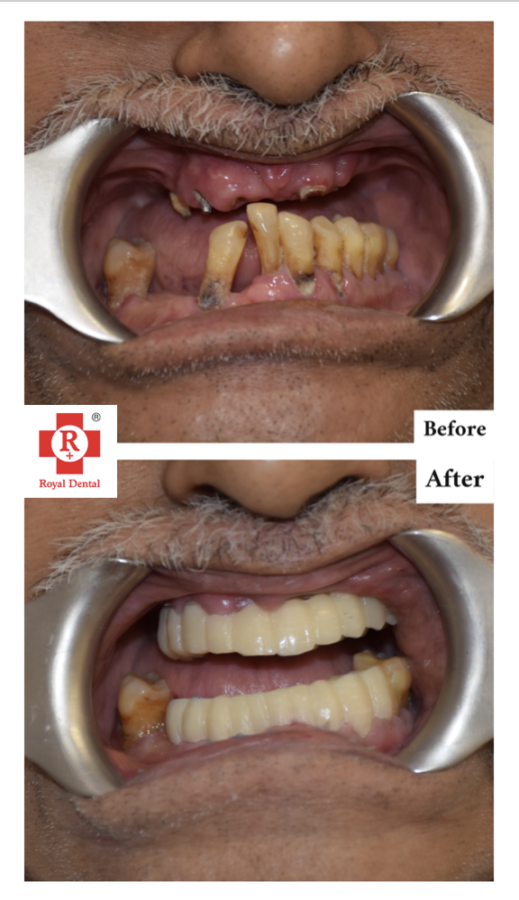
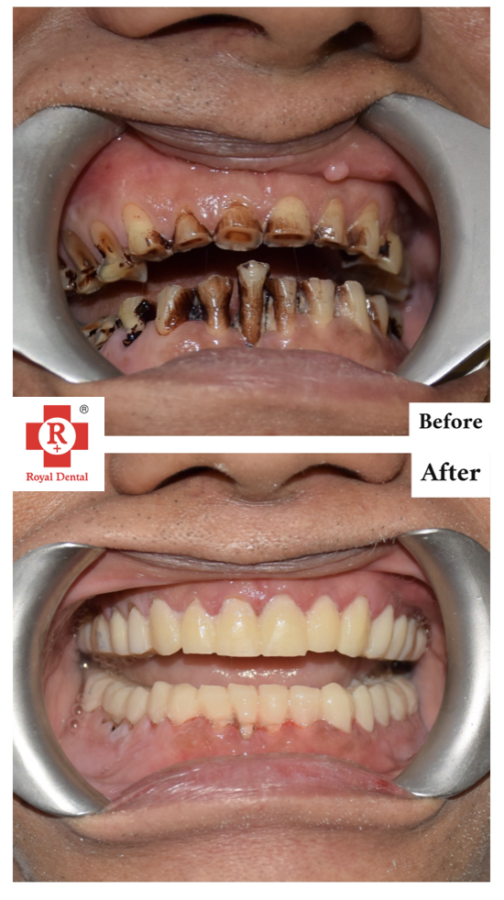
What goes behind “Cosmetic Treatment for Tooth Mobility

If this process neglected, the result would be abnormal direction of eating forces resulting in tooth mobility. A six-monthly regular dental check-up, required to treat such symptoms for teeth mobility in advance. If you’re pregnant, your mouth affected by hormonal changes. Pregnancy gingivitis leads to inflammation of gums, and it’s important to consult with your dentist.

Treatment for Loose Teeth

Take care of the tumor or cyst. Treat the gum contagion by appropriate cleaning and curettage. Improvement of the reduced bone level by adding the bone grafts. The dentist fix the grade 2 or grade 3 mobility by splinting the loose tooth and limiting any movement.

Patient Testimonial for Tooth Mobility

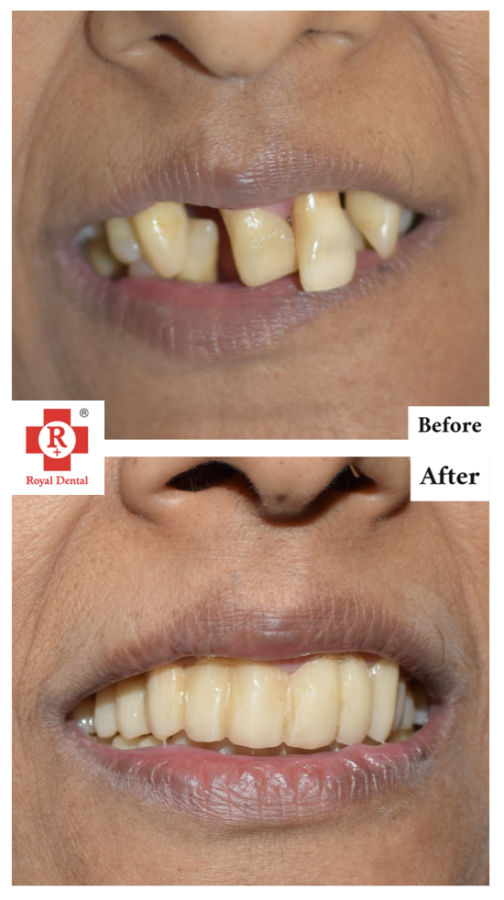
If the teeth mobility, increased it has to treated by one or more of processes like splinting the teeth, reshaping the teeth, bone grafting, periodontal implants. The results are good and the life of teeth increased. As a last resort if teeth lost; the same must immediately replaced to prevent other teeth from becoming mobile. Mobility of teeth because of gaps between teeth also called pathological migration of teeth. 

No matter what causes your loose teeth, you’re bound to be concerned. Having loose teeth doesn’t mean you have to lose your teeth. As soon as you notice any sign of a tooth or tooth mobility, seek dental care immediately. Your dentist will help you find an effective treatment plan that can save your teeth!

Tooth mobility is not something to ignore, even if it’s painless at first. Whether it’s caused by gum disease, trauma, or another underlying issue, early diagnosis and the right treatment plan are essential to prevent further damage. Regular dental check-ups, good oral hygiene, and timely intervention can go a long way in preserving your natural teeth and protecting your long-term oral health.

If you’re experiencing any signs of loose teeth or gum discomfort, don’t delay. A consultation with a qualified dental professional can help you identify the root cause and explore effective treatment options tailored to your needs.


© All rights reserved by Royal Dental Implants Pvt Ltd
Issued in public interest

Vidisha Sarawagi
Explore insightful dental care tips and expert advice by Vidisha Sarawagi at Royal Dental Clinics. Learn about implants, oral hygiene, cosmetic dentistry, and more for a healthier smile.

    Leave a reply