
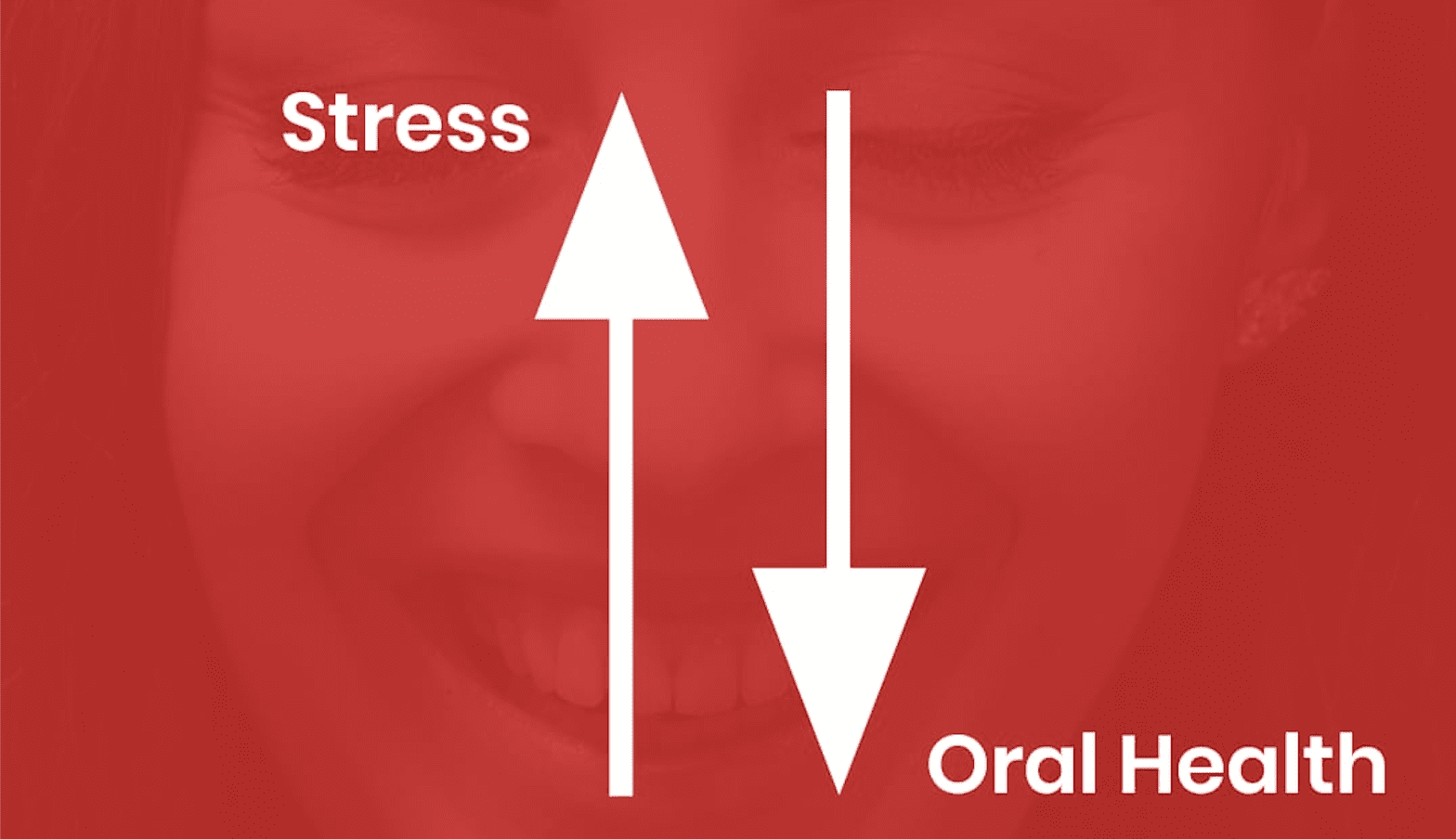
Mental health issues and oral health problems go hand in hand. The World Health Organisation has listed impaired oral hygiene as a significant risk factor for developing mental illnesses, as those who suffer from depression or other chronic conditions have been found to neglect their personal hygiene more often than others. In this article, you will learn more about the link between tooth decay and mental health, how a bad oral hygiene can lead to anxiety, depression or stress, and what you can do to prevent these risks.
Who is this article for?
This article is for patients who feel stressed, embarrassed, anxious, or socially uncomfortable because of tooth decay, bad breath, visible cavities, broken teeth, or dental pain. It is especially useful for people who avoid smiling, delay dental visits due to fear, or struggle with sleep and eating because of toothache. Tooth decay does not directly cause mental illness, but dental pain and poor oral health can affect quality of life.
What is the link between oral and mental health?
Having good oral hygiene is a crucial part of maintaining good mental health. When you brush your teeth each day and maintain proper care of your gums. You can help to remove plaque, stains and food remnants that can lead to serious dental problems. A poor oral hygiene can lead to more serious dental issues such as tooth decay, gum disease, and other bacterial infections.
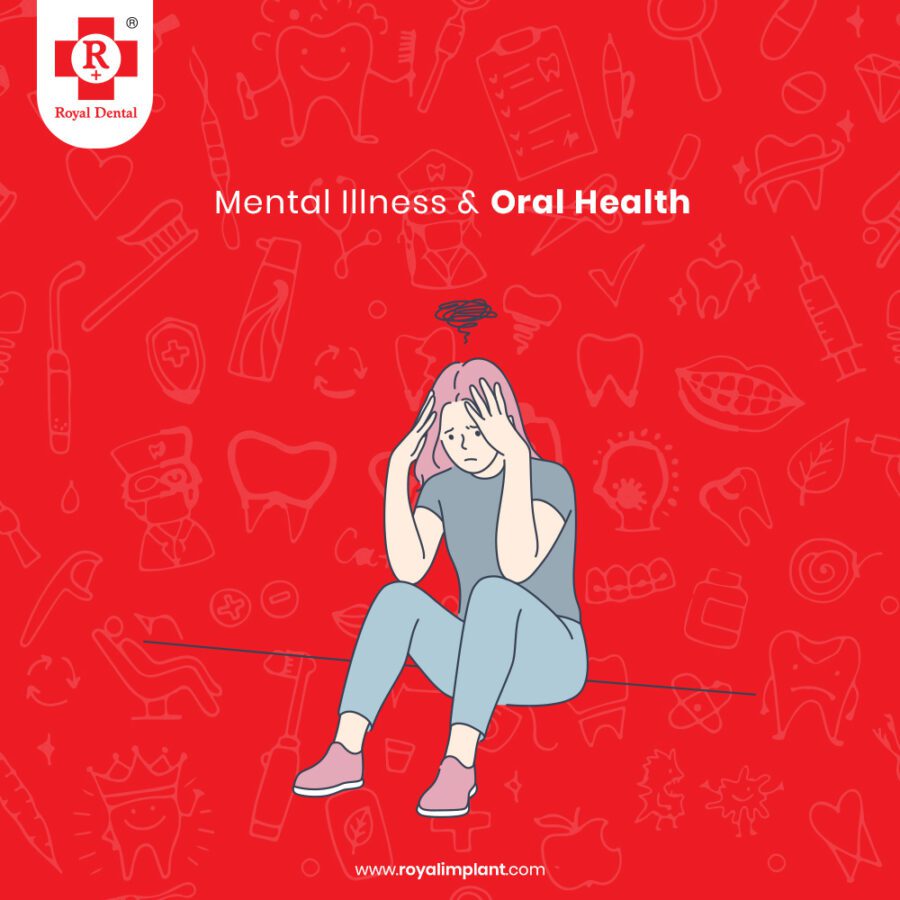
All these oral hygiene problems can have an impact on your mental health. There is a link between poor oral hygiene and poor mental health. Mental health issues such as depression, anxiety. When people don’t take care of their teeth, it can lead to a number of oral health issues such as cavities, gum disease, and tooth decay which can have a significant impact on your mental health.
How tooth decay can affect confidence?
Visible cavities, broken front teeth, bad breath, or dark stains can make patients feel conscious while smiling, speaking, or meeting people. This can affect social confidence, work interactions, and personal relationships. Treating decay early can improve not only comfort and chewing, but also self-esteem and willingness to smile.
Pain, sleep and stress are connected
Toothache can disturb sleep, eating, concentration, and mood. Patients may become irritable, anxious, or worried when pain keeps returning or when they fear losing a tooth. Dental anxiety can also create a cycle where the patient delays treatment, the cavity becomes worse, and fear increases. A calm consultation and step-by-step treatment plan can help break this cycle.
Link: tooth decay affect mental health
Anxiety and oral health problems – Anxiety is one of the most common mental health issues. It can be caused by a variety of factors, including an unhealthy lifestyle, bad sleep patterns, and a lack of motivation. A bad oral hygiene can lead to bacterial infections, which in turn can lead to tooth loss or damage to the gums.
Depression and oral health problems – Depression is a serious mental illness that affects millions of people each year. It can be triggered by a variety of factors, including a lack of sleep, a bad diet, and a lack of exercise. A bad oral hygiene can lead to bacterial infections, which in turn can lead to tooth loss or damage to the gums.
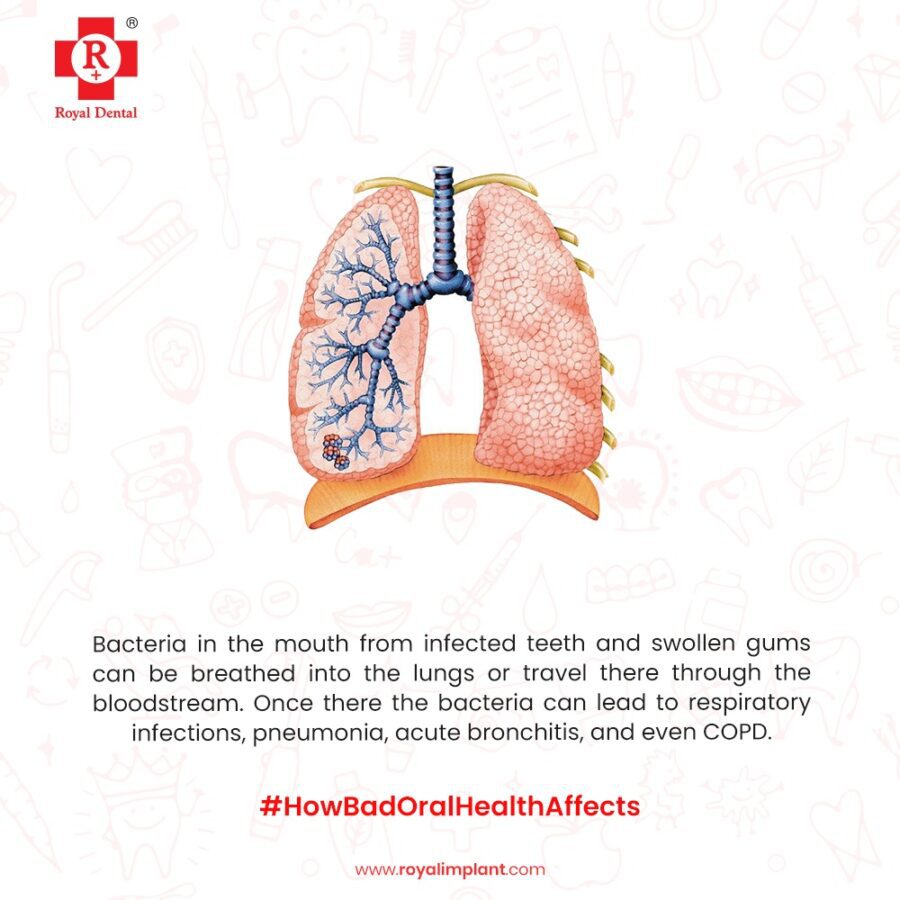
Stress and oral health problems – Stress is a very common mental health problem, affecting millions of people across the world. It can be caused by a variety of things, including a busy lifestyle, a bad diet, and a lack of motivation. A bad oral hygiene can lead to bacterial infections, which in turn can lead to tooth loss or damage to the gums.
The effect of poor oral hygiene on mental health
Poor oral hygiene and dental issues can lead to a variety of mental health issues such as anxiety, depression, and stress. When you don’t take care of your teeth, it can lead to a number of oral health issues such as cavities, gum disease, and tooth decay which can have a significant impact on your mental health. A bad oral hygiene can also affect your self-esteem. Which can lead to a mental health issue such as low self-esteem.
Poor oral hygiene can also impact your social life and cause a feeling of isolation. Many people who suffer from mental health issues also don’t look after their teeth as well as they should. By improving your oral hygiene, you can reduce the risk of developing. Dental problems and the impact they have on your mental health.
Ways a bad oral hygiene can lead to anxiety and depression
A poor oral hygiene can lead to bacterial infections. Which in turn can trigger bacterial infections, which in turn can trigger bacterial infections. It can turn can trigger bacterial infections, which in turn can trigger bacterial infections. Which in turn can trigger bacterial infections, which in turn can trigger bacterial infections, which in turn can trigger bacterial infections, which in turn can trigger bacterial infections, which in turn can trigger anxiety and depression.
Bad oral hygiene can cause bacteria to build up in your mouth. Which can lead to gum disease and tooth decay. Even if you do brush your teeth. You are less likely to do so properly and will be less likely to remove plaque and food remnants from your teeth. This can lead to a build-up of bacteria in your mouth. Which can lead to bacterial infections, which in turn can trigger anxiety and depression.
Conclusion
Tooth decay, cavities, and gum disease are some of the most common dental problems. That can lead to serious mental health issues such as anxiety and depression. By improving your oral hygiene, you can reduce the risk of developing. Dental problems and the impact they have on your mental health. Bad oral hygiene can cause bacterial infections, which in turn can trigger anxiety and depression. If you have been experiencing symptoms of anxiety or depression. You should consider brushing your teeth and improving. Your oral hygiene as a way to reduce the symptoms of your disorder.
FAQs
Can tooth decay cause anxiety?
Tooth decay may not directly cause anxiety, but pain, embarrassment, fear of treatment, bad breath, or visible cavities can increase stress and worry. A dental consultation can help patients understand the problem and plan treatment safely.
Can fixing teeth improve confidence?
Yes, treating cavities, replacing broken teeth, improving breath, and restoring the smile can improve comfort and confidence. The goal is not only cosmetic; it is also about eating, speaking, sleeping, and living comfortably.