
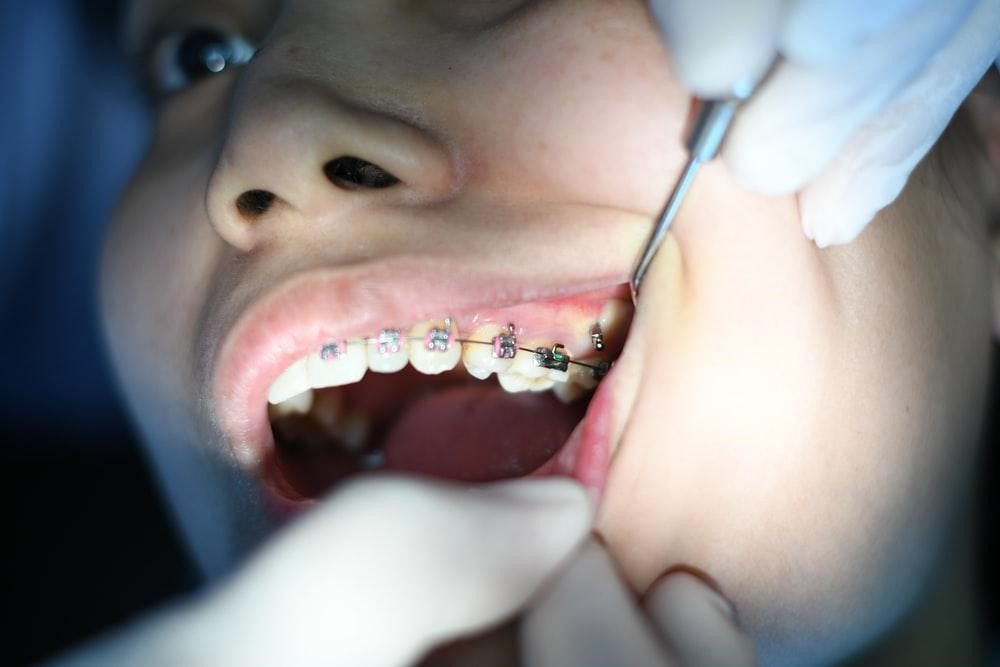
Are dentist allowed to practice orthodontics is a common question for patients who are confused about whether they should visit a dentist or an orthodontist for braces, aligners, crooked teeth, gaps, bite correction, or jaw alignment concerns. Orthodontics is connected to dentistry, but complex tooth movement and bite correction may need additional training, careful treatment planning, and regular follow-up. When a dentist decides to specialize in orthodontics, they often wonder why dentists are allowed to practice it. After all, aren’t specialists supposed to have expertise above and beyond general dentists?
Orthodontics is not a specialization. It’s actually a sub-specialty of dentistry that requires the same level of training as any other. However, many people tend to think that only specialists or general practitioners can practice certain branches of dentistry. This is because most states require individuals who want to become specialized in an area of dentistry to first complete three or four years of general dental school and internship before being accepted into a residency program focusing on their chosen specialty.
Who is this Article For?
This article is for patients who are confused about whether they should visit a general dentist or an orthodontist for braces, aligners, crooked teeth, gaps, bite problems, or jaw alignment concerns. This blog helps patients know that dentists and orthodontists both work in oral health, but orthodontic cases may need additional training, treatment planning, tooth movement knowledge, bite correction experience, and long-term follow-up.
Are dentist allowed to practice orthodontics?
Orthodontics is the practice of correcting such dental issues as misalignment of teeth, improper bites, or other abnormal dental conditions. Orthodontists are dental specialists who are trained to correct such dental problems. There are actually two types of professionals who are licensed to practice orthodontics. These include dentists and dental specialists known as orthodontists. Orthodontists are dentists who have undergone an additional two to three years of specialized training in orthodontics.
The reason why dentists are allowed to practice orthodontics is that this is a sub-specialty of dentistry where an individual dentist completes additional training to become more proficient in specific areas of dentistry. For example, a dentist specializing in orthodontics would be expected to have a greater level of expertise in areas such as tooth movement and the complex mechanics of growing teeth than a general dentist.
How does a Dentist become an Orthodontist?
To become an orthodontist, a dentist must first complete the same level of dental education as a general dentist. This means enrolling in and graduating from a dental school. Once aspiring dentist has completed their undergraduate studies, they must next apply to and be accepted into a dental school and earn a Doctor of Dental Medicine (DDM) degree.

After completing their dental education and earning their degree, a dentist must then complete a one-year general dental practice residency. Next, they must take and pass the ADA-administered written and clinical examinations needed to become a certified dentist.
Once a dentist has completed these requirements and received their certification, they must go through a state-approved residency program in orthodontics. They must also pass a state examination in orthodontics in order to become a licensed orthodontist.
What is the difference between an orthodontist and a dentist?
Orthodontists and dentists are both dental professionals who treat dental issues such as misaligned teeth, gums, or bite problems. The difference between orthodontists and dentists is that the former are required to have an additional two to three years of specialized training in orthodontics after completing dental school, whereas dentists don’t need any additional training to become orthodontists in most states.
Orthodontists have a broader grasp of dental issues and can offer a wider variety of treatment options to patients than dentists. This includes the ability to place braces on patients at any age or stage in life, including on babies as young as 6 months old. Orthodontists can also correct more complex dental issues than dentists. In fact, many dentists prefer to refer patients to an orthodontist whenever their cases are beyond their ability to treat.
Conclusion
Orthodontics is a sub-specialty of dentistry where a dentist completes an additional two to three years of specialized training in order to become more proficient in specific areas of dentistry.
The difference between an orthodontist and a dentist is that the former are required to have an additional two to three years of specialized training in orthodontics after completing dental school, whereas dentists don’t need any additional training to become orthodontists in most states.
FAQs
1. Are dentists allowed to practice orthodontics?
Dentists may diagnose alignment concerns and provide orthodontic guidance based on their training and clinical scope. However, complex orthodontic treatment is usually managed by an orthodontist or a dentist with additional orthodontic training and experience.
2. What is the difference between a dentist and an orthodontist?
A dentist manages general oral health concerns such as cavities, gum problems, cleaning, fillings, crowns, and tooth pain. An orthodontist focuses on teeth alignment, bite correction, braces, aligners, jaw growth, and tooth movement planning.
3. When should I visit an orthodontist?
You may need an orthodontist if you have crooked teeth, crowded teeth, gaps, overbite, underbite, crossbite, open bite, jaw alignment concerns, or difficulty cleaning teeth due to irregular tooth position.
4. Can a general dentist provide braces or aligners?
Some dentists may provide braces or aligner treatment if they have proper training and experience. However, more complex orthodontic cases may need specialist orthodontic evaluation and long-term treatment planning.
5. Why is orthodontic training important?
Orthodontic training is important because tooth movement, bite correction, jaw growth, facial balance, and treatment stability require careful planning. Incorrect tooth movement may affect gums, roots, bite comfort, and long-term dental health.
6. Can orthodontics improve oral health?
Yes, orthodontic treatment may improve oral health by aligning crooked or crowded teeth, making cleaning easier, improving bite function, reducing food lodgement, and helping some patients achieve better smile balance.
7. How do I know whether I need a dentist or orthodontist?
A dental consultation can help identify whether your concern is routine dental, cosmetic, or orthodontic. After checking your teeth, bite, gums, X-rays or scans, the dentist can guide you to the right treatment or specialist if required.