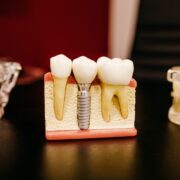


Receiving a dental implant is an important step toward restoring your smile, chewing ability, and confidence. While the procedure has a high success rate, proper healing and aftercare play a vital role in achieving long-term results. Mild swelling, discomfort, and temporary dietary changes are normal during the initial healing period. In this guide, we’ll explain what to expect after a dental implant, how long recovery takes, and the precautions you should follow for a smooth and successful healing process.
Who is this article for?
- Have recently received a dental implant
- Are preparing for implant surgery
- Want to understand the healing process
- Are experiencing swelling or mild discomfort after treatment
- Want tips for a faster and healthier recovery
Swelling to except after a Dental Implant Surgery
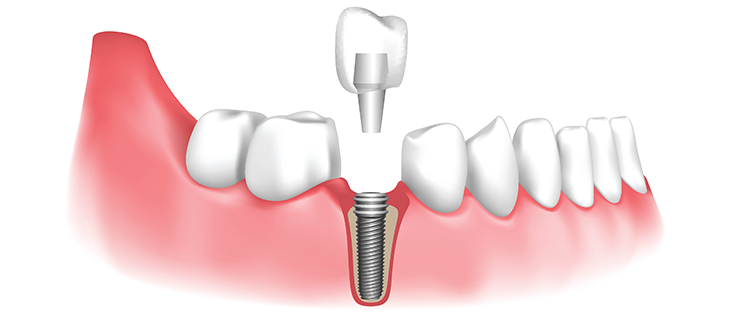
Dental implant surgery is relatively quick and straightforward compared to other types of procedures. But it’s still an operation—with all the risks that come with anesthesia and surgical intervention. And like any surgery, there may be some swelling and inflammation around the site of the implant. For most people, the swelling will subside after a few days. But it’s important to be patient and let the wound heal fully before you begin to use and move the implant. Swelling around the implant could hinder its healing and even cause the implant to fail completely.
Applying a cold compress to the outside of the face during the first 24 hours can help minimise swelling and improve comfort. Sleeping with your head slightly elevated and avoiding strenuous physical activity during the initial recovery period can also reduce post-operative swelling.
Pain after Implant Surgery
There are many ways dental implant surgery can be done—either with a quick procedure in dental office, or with a longer surgery done in a hospital. But regardless of where you get the implants put in, there may be some short-term pain afterward. People often experience a sharp pain when the implant is put in. This may subside after a few hours to a day or so, but some people have a lingering ache for a few more days. Depending on the type of implant surgery you have done, there may also be some short-term pain as the incisions are closed and the wound heals. Again, this will subside with time as the body heals.
Recovery time after Implant Surgery
Dental implant surgery can take anywhere from a few weeks to a few months to fully heal. The healing time depends on many factors, including the type of implant, the surgical procedure, and your overall health. A general rule of thumb is that the implant will take about half the time to heal as the incisional wound it leaves behind.
If you have an implant put in on the roof of your mouth, you can expect the roof of your mouth to heal in about a month or so. For oral implant surgery that involves gum tissue, the healing time is a bit longer, usually about six to nine months. It’s also worth noting that healing time can vary from person to person, and you may need to take special care during the healing process.
Every patient’s healing process is unique. Factors such as bone quality, smoking, oral hygiene, existing medical conditions, and following post-operative instructions all influence how quickly a dental implant heals. Regular follow-up appointments allow your dentist to monitor healing and ensure successful integration of the implant.
Post-surgery Care
Your surgeon will advise you on post-surgery care and instructions, but there are a few general guidelines to follow. First, take it easy. You’ve just had major surgery, and you need to let your body heal. If your surgeon advises bed rest, then bed rest. And if you’re not supposed to move or use your mouth, then don’t. Your surgeon may tell you to avoid certain activities while the implant is healing. If so, follow those instructions and don’t push yourself until your surgeon gives you the go-ahead.


When Should You Contact Your Dentist?
- Severe or increasing pain after several days
- Persistent bleeding
- Excessive swelling after 3–4 days
- Fever
- Pus or foul discharge
- Implant mobility
- Difficulty swallowing or breathing
Prompt evaluation helps prevent complications and improves treatment outcomes.
Final Words
Recovery after a dental implant is usually smooth when patients carefully follow post-operative instructions. Mild swelling and discomfort are normal, but good oral hygiene, proper nutrition, adequate rest, and regular follow-up visits contribute significantly to successful healing. If you notice any unusual symptoms during recovery, contact your dentist promptly for professional advice.
Recently had a dental implant or planning one? The experienced team at Royal Dental Clinics, Mumbai, provides comprehensive guidance before and after treatment to ensure a comfortable recovery and long-lasting results. Book your consultation today for expert implant care.
FAQs
How long does swelling last after a dental implant?
Most swelling peaks within 48 hours and gradually improves over the next few days.
Is pain normal after dental implant surgery?
Yes. Mild to moderate discomfort is common and is usually well controlled with prescribed medication.
When can I eat normally again?
Most patients begin with soft foods and gradually return to a normal diet as advised by their dentist.
How long does a dental implant take to heal?
Although the gums heal within a few weeks, complete integration of the implant with the jawbone generally takes three to six months.
Can I brush my teeth after implant surgery?
Yes, but avoid brushing directly over the surgical site initially and follow your dentist’s oral hygiene instructions.
Medical Disclaimer
This article is for patient education only. Dental treatment should be planned after clinical examination, medical history review, and X-rays or scans where required. Treatment suitability, cost, timeline, healing, and results vary from patient to patient.