

A dental technician is a trained professional who creates and customizes dental appliances and restorations based on a dentist’s prescription and the patient’s clinical requirements. From crowns and bridges to dentures and implant restorations, dental technicians play an important role behind the scenes in restorative and prosthetic dentistry. While they generally do not diagnose or treat patients directly, they work closely with dentists to help create restorations that fit the patient’s needs.
Who Is This Article For?
- Patients getting a dental crown or bridge
- People considering dentures
- Patients planning dental implants
- Anyone wondering who makes their dental restorations
- Patients who want to understand the dentist-technician relationship
- Students or readers looking for a basic overview of dental laboratory work
Dental Technician Requirements At The Laboratory
- Proficiency in Windows-based programs
- Motivated team player
- Technical training in electronics
- Customer service skills
- Experience with peripherals such as modems, backups, printers, scanners

- Expertise in Bio-Med/electronics
- At least 2-5 years of dental lab experience
- High-Quality work with precision
- Commitment to providing original world-class product
- Excellent communication skills.
What Does a Dental Technician Do?
A dental technician is a person who has been trained to prepare prostheses for dental patients. These devices include crowns, veneers, full or partial dentures, as well as orthodontic appliances. A dental technician’s job description involves taking information from the patient’s dentist, which includes impressions or molds, from the patient’s mouth. The dentist would provide detailed information as to what precisely he wants the dental technician to do.
The dental technician’s role will be to collect this information and with it work with the molds, so as to build the specific prostheses as required or needed by the dental patient. They perform the highest chunk of their work with small hand tools. They must be extremely patient and detail-oriented to do this type of work all day.
Core Responsibilities of a Dental Technician
When a patient comes into the dental office for treatment, the first thing the dental technician does is take a series of X-rays. These are then sent to a dental radiologist for interpretation. Once the dental technician has scheduled the patient for an appointment with the dentist, they will assist in the procedure. This may include taking impressions of a patient’s teeth to make a customized dental prosthetic, preparing the patient’s mouth for treatment, or administering local anesthesia.

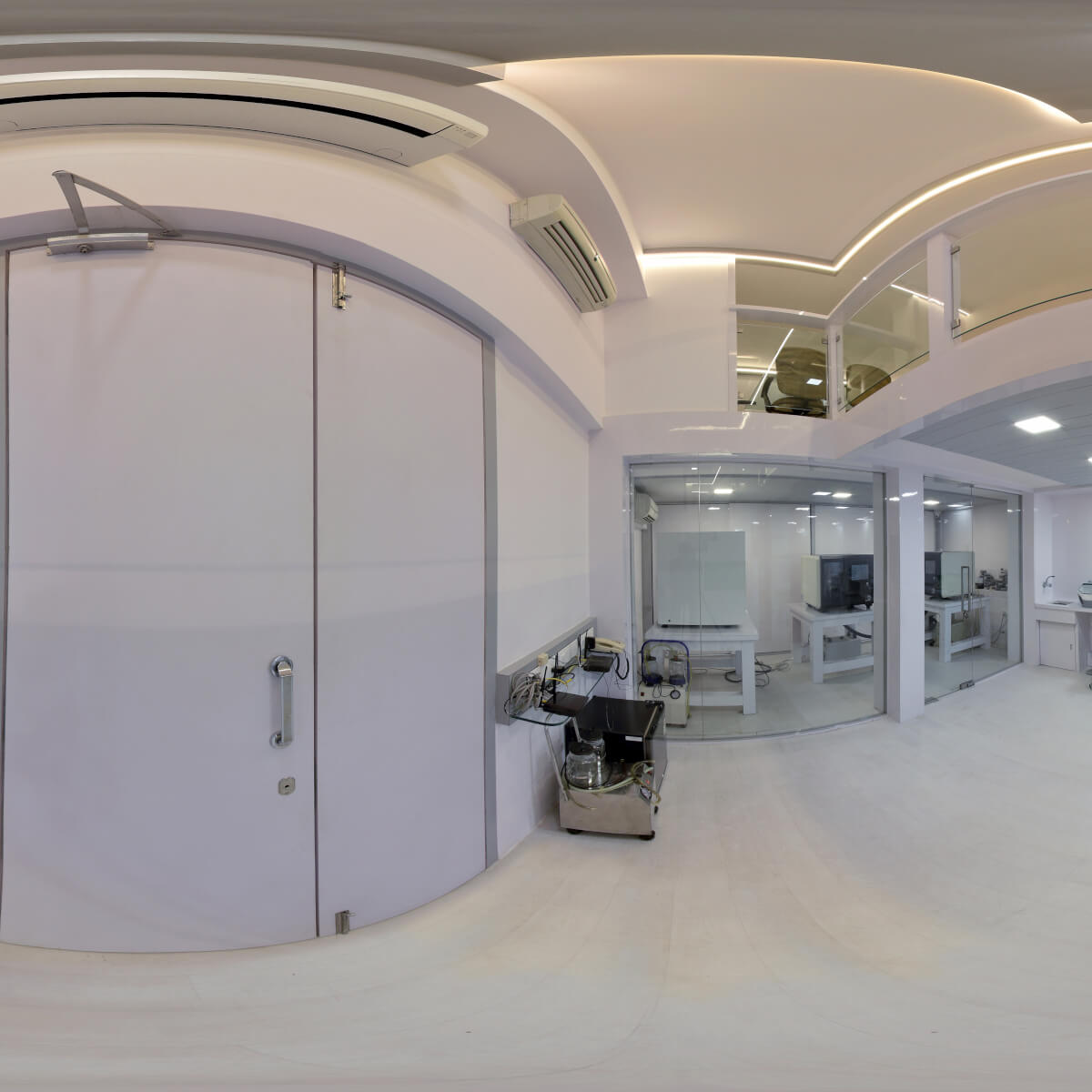
The dental technician will also be responsible for laboratory duties. This may include mixing adhesives or chemicals used in dental procedures, sterilizing equipment, and preparing materials needed for dental procedures. Dental technicians are also responsible for recording all patient technical information at dental laboratory.
1. Record keeping and maintaining patient records
One of the dental technician’s main responsibilities is keeping a record of all patients’ information. This includes their medical history, payment information, and any notes from the dentist. You will also be in charge of updating patient records when additional information is added. Another part of the job is to answer any questions patients might have at dental laboratory.
2. Mixing Chemicals and Adhesives
As part of your job as a dental technician, you will mix various chemicals and adhesives used in dental procedures. You will also have to label and store them properly. These chemicals and adhesives might include dental cements, sealants, adhesives, disinfectants, and endodontic irrigants. You will be expected to make sure that you are using the right amounts and that everything is being stored at the right temperature and humidity.
3. Preparing Materials for Dental Procedures
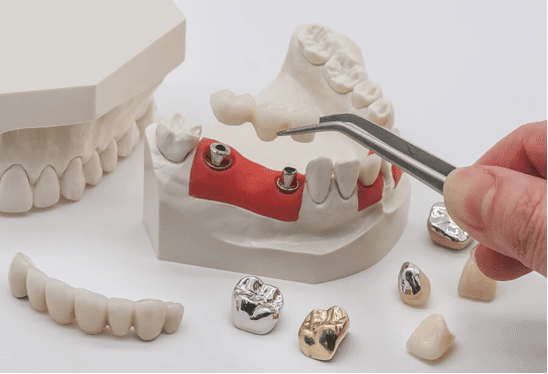
Dental technicians are responsible for preparing dental materials that the dentist will use during procedures. This includes setting up restorations, like fillings or crowns, making impressions of teeth to create a custom dental prosthetic, or making a cast of a patient’s mouth to take a bite impression.
4. Taking X-Rays
As a dental technician, one of the most important things you will do is take dental x-rays. This is a crucial part of the dental process, allowing the dentist to see inside the patient’s mouth. The dental technician at the dental laboratory will take the X-rays and then send them to a dental radiologist for interpretation.
5. Providing Care and Cleaning Instruments
In addition to taking care of dental instruments, dental technicians are also responsible for cleaning them before and after use. This includes scaling and polishing handpieces, ultrasonic aspirators, and other dental equipment. Making sure that you are practicing proper hygiene and sterilization procedures will help prevent the transmission of infectious diseases.
6. Take care of the equipment and facility
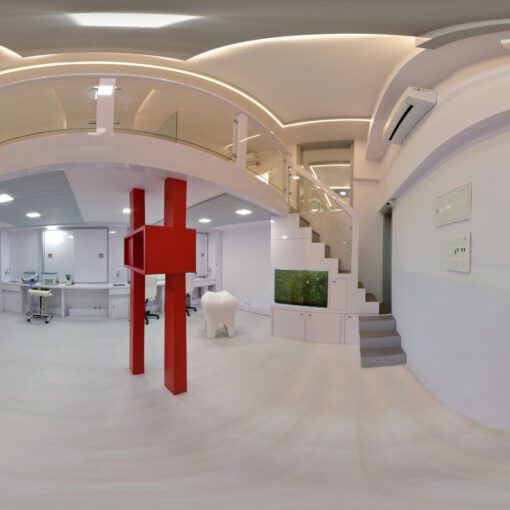
The dental technician is also responsible for taking care of the dental office’s equipment and making sure it is properly maintained and working well. This includes checking the dental chair, water tank, airflow, and suction unit. When it comes to the dental office’s facility, the dental technician will be expected to perform routine maintenance and cleanliness checks. This may include sweeping, mopping, or vacuuming the floors and walls, dusting equipment and furniture, and cleaning windows.
Soft Skills You Need to Succeed as Dental Technician
- Manual Dexterity: As a dental technician, you will have to work with your hands and keep them steady for long periods.
- Attention to Detail: You must follow the dentist’s prescriptions and work orders exactly.
- Time Management Skills: It is essential to complete work in a timely fashion.
- Critical Thinking Skills: When you encounter a problem, before you can solve it, you will have to weigh all the possible solutions and choose the best one.
- Listening Skills: The ability to understand what others are telling you is essential.
- Reading Comprehension: You must be able to understand written documentation as well as work orders and prescriptions from dentists.
- Interpersonal Skills: Some projects will require working on a team with other technicians.
Conclusion
Dental technicians play an important role in modern dentistry by creating customized restorations and dental appliances based on a dentist’s clinical prescription. Crowns, bridges, dentures and implant restorations all require careful laboratory work to achieve appropriate fit, function and appearance. Although patients may not interact with the technician directly, their work is an important part of the overall treatment process.
Frequently Asked Questions
What does a dental technician do?
A dental technician creates and modifies dental restorations and appliances such as crowns, bridges, dentures and implant restorations based on a dentist’s prescription.
Does a dental technician treat patients?
Generally, dental technicians work in dental laboratories rather than providing clinical diagnosis or treatment. Their work supports the dentist’s treatment plan.
Does a dental technician make dental implants?
A technician may fabricate the implant-supported restoration, such as a crown or bridge. The dentist performs the clinical implant placement.
What is the difference between a dentist and a dental technician?
A dentist examines and treats patients and develops treatment plans. A dental technician fabricates dental appliances and restorations according to the dentist’s prescription.
Why is a dental technician important for dental treatment?
Dental technicians contribute to the fabrication, fit, function and appearance of many dental restorations, making them an important part of the dental treatment team.