
Teeth implants are one of the most reliable and long-lasting solutions for replacing missing teeth. Although many people wonder whether there is a minimum or maximum age for dental implants, age alone is rarely the deciding factor. Jawbone development, overall health, oral hygiene, and bone quality all play important roles in determining whether someone is a suitable candidate. In this article, we explain the age requirements for teeth implants and the factors that influence successful treatment.
Who Is This Article For?
- Teenagers and young adults considering teeth implants
- Parents exploring tooth replacement options
- Older adults with missing teeth
- Patients wanting permanent tooth replacement
- Anyone wondering whether they are too young or too old for dental implants
What is the maximum age you can get a Teeth implant?
Implants do not have an upper age limit. Patients even at 103 have gotten their dental implants. After the age of 65, the healing rate of implants begins to decline. The older you are, the more time the implant takes to successfully integrate with your jawbone. After the age of 65, dentists might suggest other options such as a fixed bridge or partial denture.
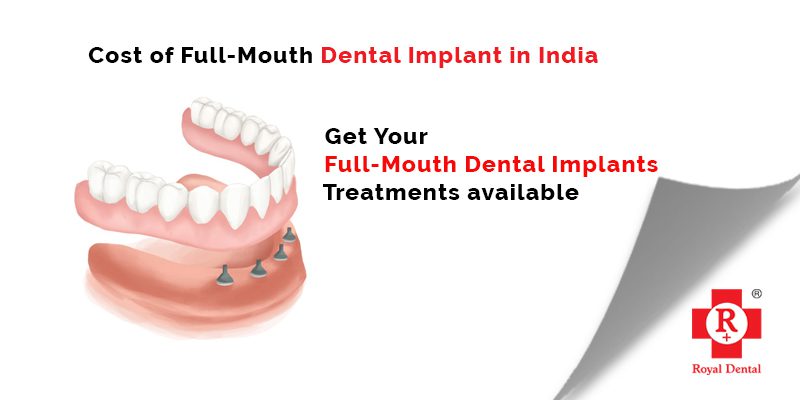
While age is a significant factor to consider, it is important to note that each individual has a different aging process. That said, it is likely that if you are over 65, then your bone density will be lower than when you were 35. This makes the jawbone less suitable for receiving a dental implant. The best way to determine if you are suitable for implants is to consult with an implant dentist. They will assess your general health and recommend the appropriate course of action based on the assessment.
What Is the Minimum Age for Teeth Implants?
There is no fixed minimum age for teeth implants. Dental implants are generally recommended after jaw growth is complete, which usually occurs around 17–18 years in females and 18–21 years in males, although this varies between individuals. Your dentist may use clinical examination and imaging to confirm that jaw growth has finished before recommending implant placement.
As stated above, there are various factors for the success of an implant. This includes the quality of your oral hygiene, the volume of your jawbone and your general health. That said, a younger person is more likely to have a higher quality of all three. Again, the best way to determine if you are suitable for implants is to consult with an implant dentist. They will assess your general health and recommend the appropriate course of action based on the assessment.
How old do you have to be to get a fixed tooth?
A fixed tooth replacement is usually an option you can consider once the natural teeth are out of the mouth. This means that an aged individual may be advised to go for a fixed tooth replacement. This is because the aging process also affects the jawbone. This means that it becomes less suitable for receiving an implant, with the exception of younger individuals who have had insurance-approved orthodontic treatment.
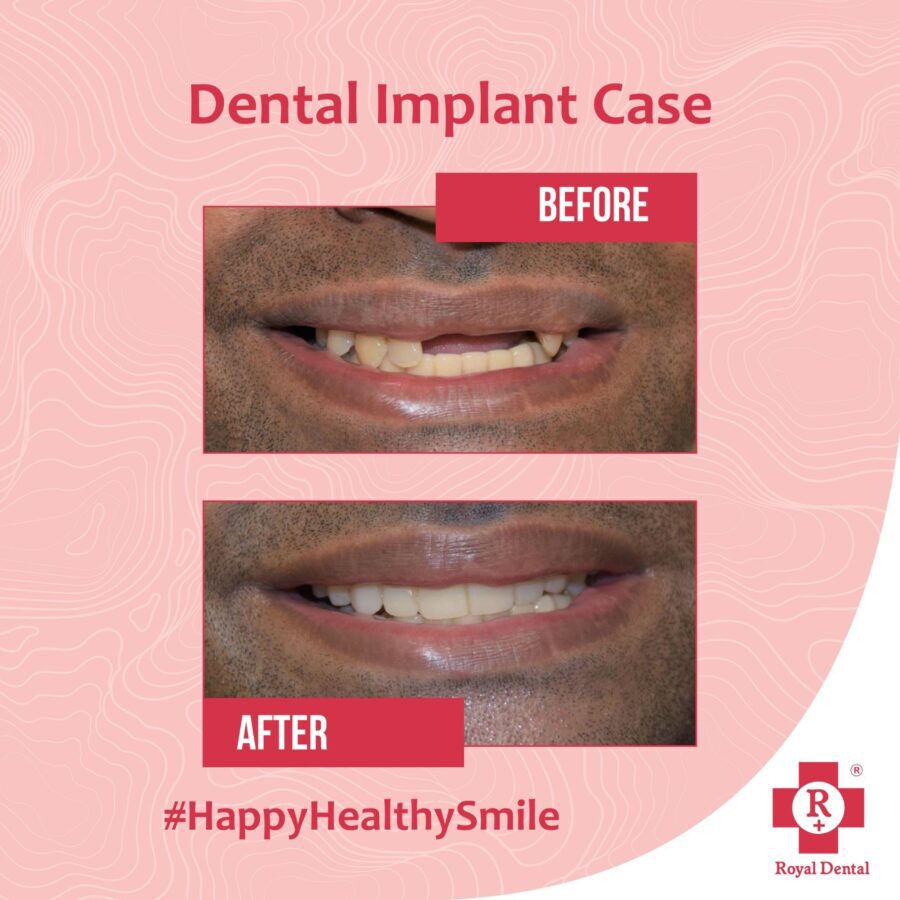
The primary reason for suggesting a fixed tooth replacement is not just because of the aging process, but also other factors such as your general health, the oral hygiene habits and the dosage of medication you are currently consuming. If an implant dentist recommends a fixed tooth replacement, it is likely that the healing process will take a long time. However, this will depend on the general health and the oral hygiene habits of the individual.
When Is the Best Time to Get Teeth Implants?
The ideal time for teeth implant treatment is after jaw growth has been completed and when the patient has healthy gums, sufficient bone support, and good overall health. There is no upper age limit for treatment provided the patient is medically suitable.
As such, younger individuals will have a higher rate of success than older individuals. One thing to keep in mind, however, is that while the healing process is relatively short, it is important to note that you should avoid certain activities. This is to avoid interfering with the healing process, which will ensure that the implant integrates successfully with your jawbone.
Factors affecting the success of an implant
The quality of your oral hygiene – Poor oral hygiene will negatively affect the healing process and the success of the implant. If a dentist finds that you have poor oral hygiene, you may be advised to use other methods of tooth replacement such as a fixed bridge or a partial denture.
The volume of your jawbone – The more bone you have, the more likely it is that the implant will successfully integrate with your jawbone. This means that people who are older, have shorter teeth or have previously undergone orthodontic treatment may be less suitable for implants.
Your general health – If you have a chronic condition such as diabetes, it is important that you discuss it with the implant dentist. Certain conditions may slow down the healing process, or they may even hinder the success of the implant.
The dosage of medication you are currently consuming – Certain medications may slow down the healing process. This means that you will have to wait longer before the implant is fully integrated with your jawbone. In some cases, the healing process may be hindered or stopped entirely if you are not careful.
Who Is a Good Candidate for Teeth Implants?
- One or more missing teeth
- Healthy gums
- Adequate jawbone support
- Good oral hygiene
- Controlled medical conditions
- Commitment to long-term maintenance
Final Words
Teeth implants can successfully restore missing teeth for both younger and older adults when treatment is carefully planned. Rather than focusing on age alone, dentists evaluate jaw development, bone quality, oral health, and overall medical fitness before recommending treatment. A comprehensive consultation helps determine the most appropriate timing and treatment plan for long-term success.
Wondering if you’re the right age for teeth implants?
The implant specialists at Royal Dental Clinics, Mumbai, will assess your jaw development, bone health, and overall oral condition to recommend the most suitable treatment. Book your consultation today for a personalised evaluation.
FAQs
Can a 16-year-old get a dental implant?
Usually not unless jaw growth has been completed. Your dentist will assess growth before recommending treatment.
Is there an upper age limit?
No. Healthy adults of any age may be suitable candidates.
How do dentists determine eligibility?
Clinical examination, digital X-rays, CBCT scans, bone evaluation, and medical history are all considered.
Can older adults receive dental implants safely?
Yes. Many older adults enjoy excellent outcomes when they are medically fit for treatment.
What if I am too young for an implant?
Temporary tooth replacement options may be recommended until jaw growth is complete.