

Considering a dental implant is a significant decision, and for many patients, the cost is often the first and most critical question. When you need to replace two upper teeth, you’re likely asking: “What will this investment truly cost?” The truth is, the answer isn’t a single number, but rather a transparent breakdown of factors that influence the final price—from the type of implant and the dentist’s expertise to any necessary preparatory procedures like a sinus lift. This guide will demystify the cost for two upper teeth implants, providing you with a clear roadmap to understand every component of your investment, so you can plan with confidence.
Who Is This Article For?
This article is helpful for:
- Patients missing two upper teeth
- Individuals considering dental implants
- People comparing tooth replacement options
- Patients researching implant costs
- Anyone seeking permanent teeth replacement
What are Teeth Dental Implants?
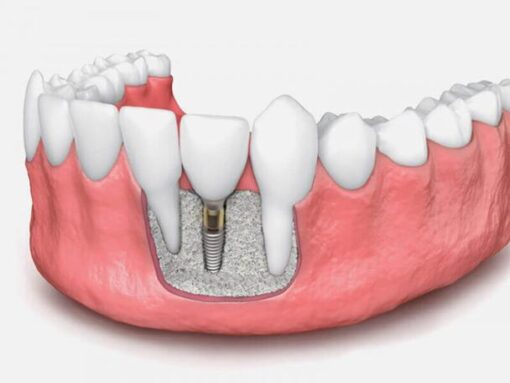
Dental implants are artificial roots that are surgically placed into your jawbone to support a dental prosthesis. A dental prosthesis is a device that replaces a missing tooth, bridge, or denture. Implants are used as a foundation for bridges, partial dentures, or full dentures. The dental implant surgery is performed under general anesthesia and takes about 2 hours to complete. The implant will fuse with your jawbone over time, providing a sturdy foundation for your new teeth. Dental implants are replacement tooth roots. Implants provide a strong foundation for fixed (permanent) or removable replacement teeth that are made to match your natural teeth.
How successful are teeth with dental implants?
Success rates of dental implants vary, depending on where in the jaw the implants are placed but, in general, dental implants have a success rate of up to 98%. With proper care (see below), implants can last a lifetime.
Why are Dental Implants expensive?
Dental implants are expensive because of the amount of effort involved in the dental procedure. Implants are surgically placed. After surgery, patients must take antibiotics to prevent bone decay and infection. Patients must also take blood thinners for about 3 months to prevent clotting and avoid damaging the implant site. In addition to these costs, implants are expensive to produce, which means dentists must factor in the price of materials and equipment when setting their rates. Dental implant procedures can run up to $15,000 for one implant.
Primary Reasons for Teeth Implants Expense
Cost of expert’s time
One of the prominent costs that come to play when you’re thinking about receiving dental implants is paying the experts working on your case. This not only involves the cost of the dentist but also other professionals working with the dentist on your case.
You must know, that apart from the dentist, his/her surgeon, assistants, and hygienists have to work on implants for your mouth. This ensures acute placement of the implant posts along with the dental crowns so that they can not only look super awesome but also function properly.
Cost of the material used
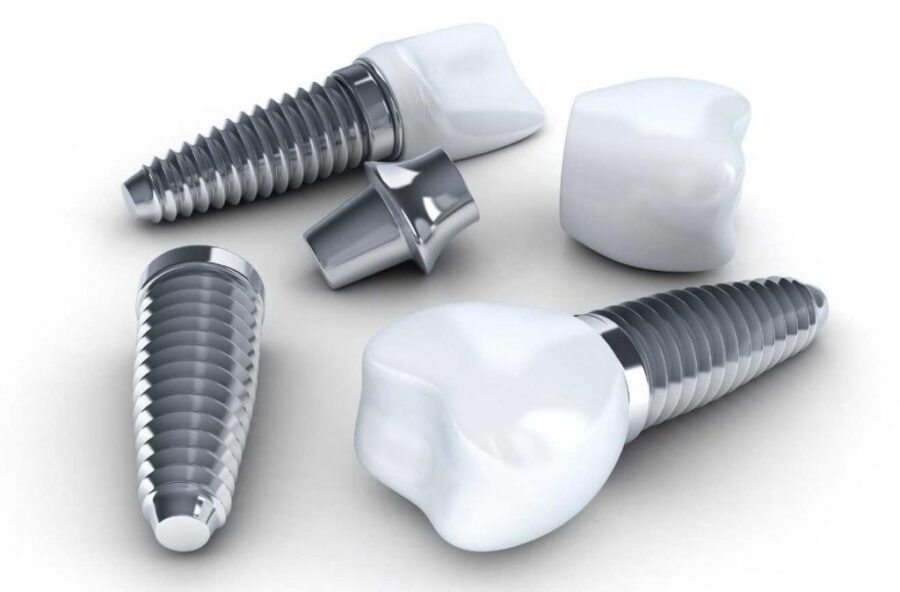
- Dental Crowns – Metal, porcelain-fused-to-metal, all resin, or all ceramic.
- Implant Posts – Titanium or Zirconia
How to save on Dental Implants?
There are a few ways to save on dental implants. First, you can work with a discount dental plan to keep costs low. Second, you can ask your insurance company if they cover any portion of dental implant surgery. Finally, you can also look into dental financing to find out if you can get a payment plan. You can also take advantage of your employer’s dental plan. Some companies offer free dental care to employees.
How many Upper Teeth implants are needed?
The bone of the upper jaw is softer, so more implants must be placed in order to secure a prosthesis. Usually, you’ll need a minimum of four implant posts for a full upper denture. The lower jawbone is much denser, so fewer implants can provide more stability. In some cases, two implants may be all that is needed.
How much does teeth with Dental Implant Cost?
The cost of a dental implant varies depending on your location, insurance coverage, and experience of the dentist. The average cost of one implant is around $350, while the cost of a bridge for 12 unit is around $3000. The average dental implants cost in Mumbai comes around twenty-five-thousand to thirty-five thousand ( ₹25000 to 35000) for each but permanent fix teeth are much important than many people can even imagine. Getting permanent teeth shall help you in many ways something that you cannot even think of.
Conclusion
The cost of two upper teeth implants depends on several clinical factors, including bone condition, implant type, crown material, and treatment complexity. While implants may require a higher initial investment than other tooth replacement options, they offer excellent stability, function, aesthetics, and long-term value. A comprehensive dental examination is the best way to determine the most suitable treatment plan and accurate cost estimate.
Book Your Consultation
At Royal Dental Clinics, we provide advanced dental implant treatment, CBCT-guided planning, implant-supported bridges, and personalized treatment solutions to help patients restore missing teeth with long-lasting results and confidence.
FAQ
What is the cost for two upper teeth implants in India?
The cost generally ranges from approximately ₹50,000 to ₹1,50,000 or more depending on implant type, bone condition, and restoration design.
Do I need two implants for two missing upper teeth?
Not always. In some situations, an implant-supported bridge may be an option.
Does bone loss increase implant cost?
Yes. Bone grafting or sinus lift procedures may be required when bone support is insufficient.
Are upper dental implants more difficult than lower implants?
The upper jaw often has softer bone, which may require additional planning and evaluation.
How long do upper teeth implants last?
With proper oral hygiene and regular dental care, implants can provide long-term function and durability.