
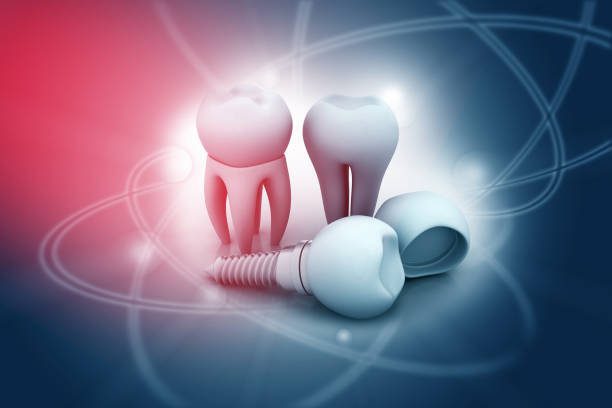
Dental implants are needed to replace one or more missing teeth and restore chewing function, appearance and tooth support. Unlike conventional bridges or dentures, an implant is placed in the jawbone and can support a crown, bridge or implant-supported denture. However, dental implants are not automatically necessary for every person with missing teeth. The appropriate option depends on your oral health, bone condition, preferences and overall treatment needs.
Dental implants are artificial tooth roots that are placed in your jawbone and give support to new replacement teeth. These permanent fixtures offer several benefits over other dental restoration options, such as dentures, bridges and traditional crowns. It can be the perfect solution if you have lost one or more teeth, or have damaged teeth that are not repairable with conventional methods. The procedure might seem scary at first glance, but it’s actually not very painful and takes only about an hour to complete. Keep reading to know more about why you need dental implants for missing teeth.
Who Is This Article For?
- People who have lost one or more teeth
- Patients considering dental implants
- People comparing implants, bridges and dentures
- Patients wondering whether a missing tooth needs replacement
- People considering implant treatment after tooth extraction
- Patients looking for a second opinion before implant treatment
What is a Dental Implant?
A dental implant is an artificial tooth root made of titanium, a metal that is biocompatible to the human body. After an implant is surgically placed in the bone of your jaw, it creates a natural cavity where a new tooth can grow. The implant will stay in place for the rest of your life and can support crowns, bridges, and other dental restorations. The procedure starts with the extraction of the damaged tooth, followed by the surgical placement of the implant in the residual jawbone.
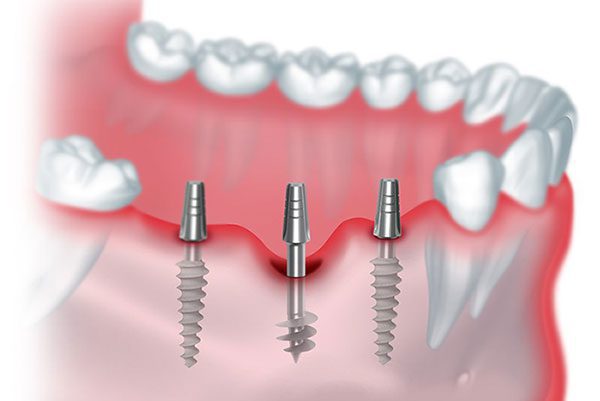
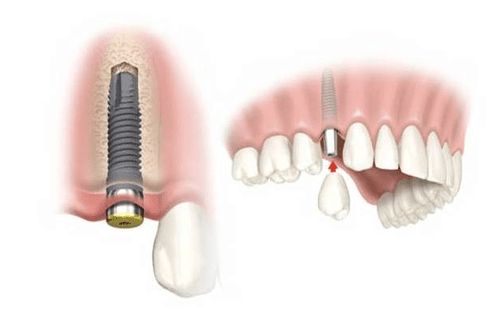
While the implant is healing, a customized tooth replacement is designed and prepared for the surgery to be placed on the implant. This can be a fixed or removable denture, a bridge, or even an implant-supported crown. A dental implant is a structure that replaces a missing tooth. With screw-like devices, the surgeon inserts an implant into the jawbone, and it acts as an anchor for an artificial tooth, called a crown.
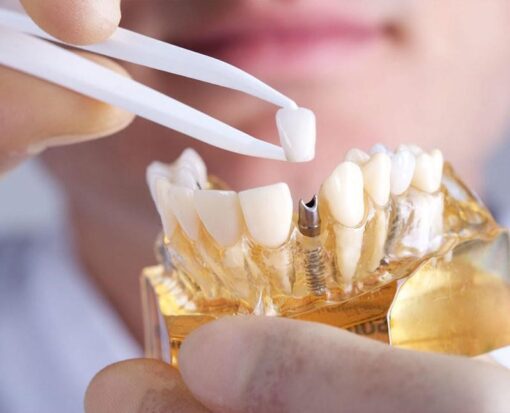
Artificial Teeth or Dental Crown over Implant
A device called an abutment connects the artificial tooth. The crown is custom-made to fit the person’s mouth and match the color of their teeth. Crowns look, feel, and function like natural teeth. Implants have several advantages rested Source overdentures, which are removable artificial teeth. Implants:
- Are more natural and comfortable
- Have a higher success rate
- Improve chewing function
- Lead to a lower risk of cavities developing in nearby teeth
- Lead to better maintenance of bone at the site of the lost tooth
- Cause decreased sensitivity in nearby teeth
However, dental implants are not suitable for everyone. The implanting devices must bond with the jawbone, so a person’s bones must be healthy before they can undergo implant surgery.
Why Dental Implants Are Needed?
A dental implant usually replaces a single missing tooth and is used when other tooth-replacement options are not possible. Unlike dentures and bridges, which rely on neighboring teeth to stay in place, implants are permanently anchored in the jawbone. Because the implant is a permanent fixture in your mouth, you can eat almost anything without worrying about the device coming loose and falling out. The tooth replacement connected to the implant will feel and function just like a real tooth.
This can improve your overall quality of life, as well as your self-confidence. What if you need to replace more than one tooth? You can still use dental implants, but you might also need a dental bridge or a dental prosthesis. If you have periodontal (gum) disease, have had a tooth extracted recently, or have an infection that cannot be treated, dental implants might be a good option for you.
Dental Implants vs Dentures
Dental implants are necessary when you have missing teeth, but either cannot or do not want to get dentures, bridges, or crowns. It is important to replace a lost tooth, as the consequences of removing/losing a tooth and doing nothing can grow into a much larger problem as time goes on. Dental implants have many aesthetic benefits, however, they also play an important role in the overall function of your mouth. They support a healthy bite, keeping each tooth properly in place while supporting a healthy jawbone and preventing bone deterioration. This happens because what preserves the jawbone in the first place is the pressure and stimulus of chewing.
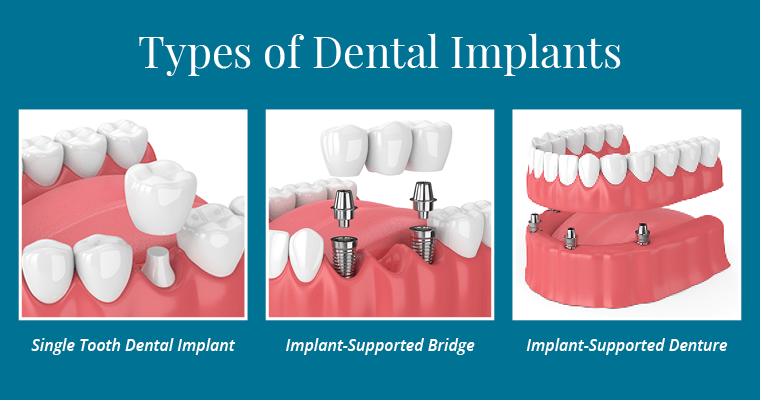
Dental implants may also feel necessary for the visual aspect. You may feel self-conscious about how your smile looks and feels, and dental implants can help with that. Your self-esteem and self-confidence are important, and being able to eat comfortably (especially at social gatherings), smile, and laugh without pain, worry, or holding back is important and will have a great impact on your life as a whole.
What to expect during the procedure?
The dentist will make a small incision in the gum and remove the soft tissue to place the implant. During this time, you will need to take special care of the treated area to avoid infection. You will also have to be careful when eating since you can dislodge the implant if a bite is too large or the chewing force is too strong. You can expect some pain and swelling in the treated area during the first few days after the surgery. The implant itself might also be somewhat uncomfortable, but your dentist will prescribe painkillers to make you more comfortable.
Tips for a successful implant surgery
Before undergoing implant surgery, it’s important to follow a few guidelines.
- First, make sure that you are a suitable candidate for this procedure. If you have certain health conditions like diabetes, hemophilia or certain types of heart disease, you might not be able to get dental implants.
- Avoid smoking, alcohol and recreational drugs before and after the surgery, as these substances can delay the healing process.
- You should also avoid all types of strenuous activity, like sports and manual labor, for at least two weeks after the operation to give your jaw enough time to heal.
- A healthy diet rich in vitamins and minerals will help speed up the healing process. You can also use natural herbs and oils as mouthwashes to reduce the healing time and treat infections.
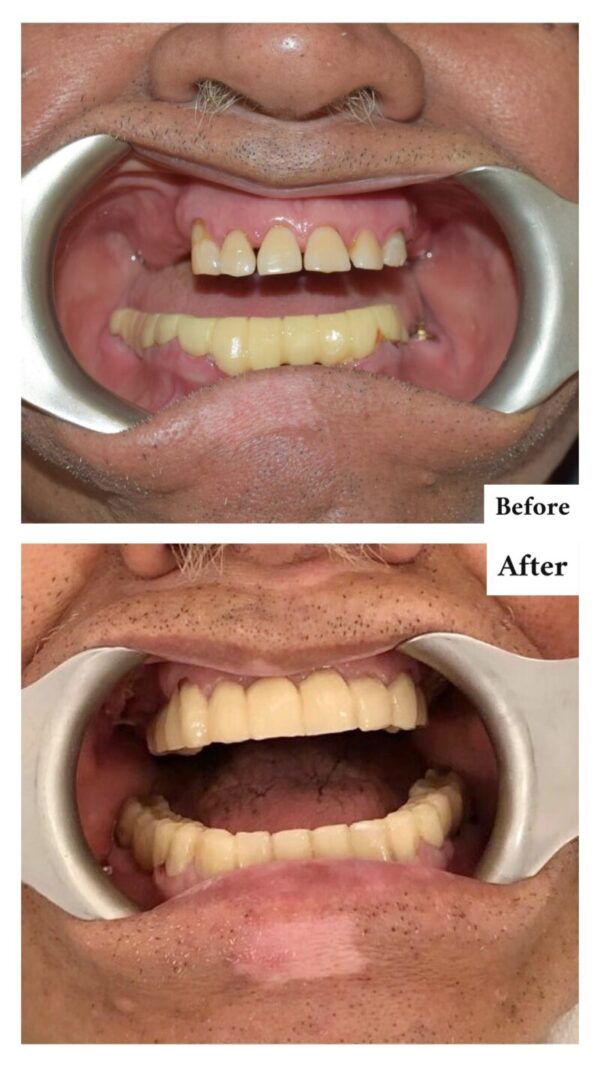
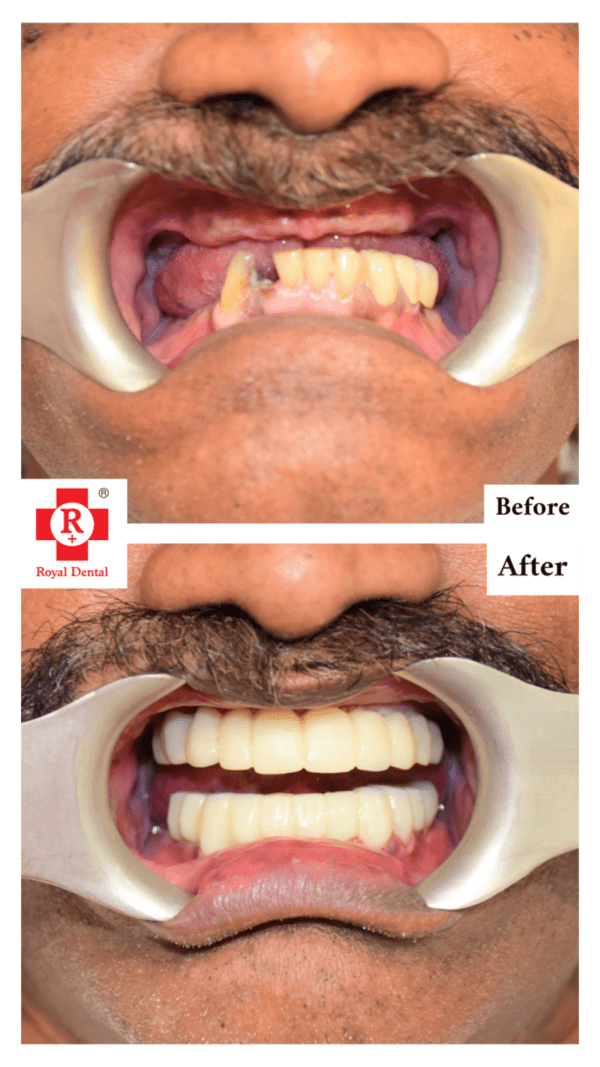
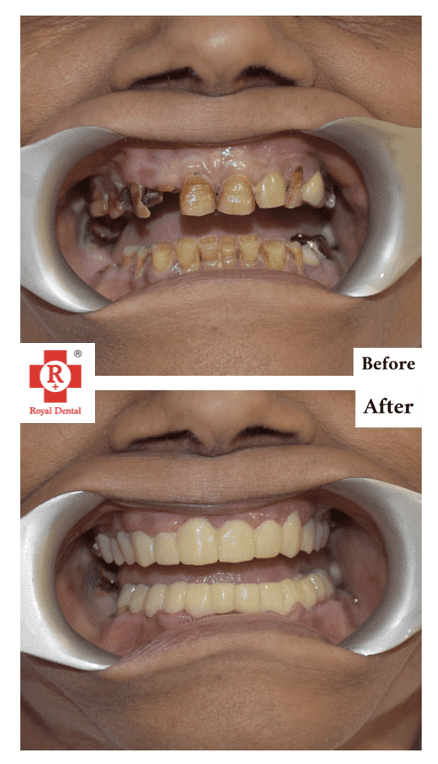
How much does a Dental Implant Cost?
The cost of dental implants will vary from one dentist to another, but you can expect it to cost anywhere between $3,000 and $7,000 per implant. The price will depend on the dental office you choose. The type of implant and the procedure used to place the implant. You should discuss the costs with your dentist and find out if they offer any special payment plans or financing options. If you don’t have enough money for the treatment, there are several implant financing options you can explore. Dental insurance might also cover part or all of the cost of an implant.
Conclusion
Dental implants can be an effective long-term option for replacing missing teeth, but they are not automatically necessary for everyone. Your dentist should evaluate your teeth, gums, bone, bite, overall health and treatment goals before recommending implants. Comparing implants with bridges and dentures can help you choose the option that best fits your needs.
Frequently Asked Questions
Why are dental implants needed?
Dental implants may be recommended to replace missing teeth and restore chewing, appearance and stability. They are one of several tooth-replacement options.
Are dental implants necessary after tooth extraction?
Not always. Whether a missing tooth should be replaced and which option is appropriate depends on the tooth, bite, oral health and individual circumstances.
Are dental implants better than dentures?
Neither is universally better. Implants can provide a fixed and stable option, while dentures may be more appropriate for some patients depending on their oral health, treatment goals and circumstances.
How long does a dental implant procedure take?
The surgical placement itself may be relatively short in some cases, but the overall treatment timeline can take several months because healing and integration may be required.
Can I get an implant if I have bone loss?
Possibly. Some patients with bone loss may be candidates after bone augmentation or another appropriate treatment approach, while others may need an alternative solution.