Dental software helps dental practices manage administrative tasks, patient records, clinical workflows, communication, billing and other day-to-day operations. Different dental software systems serve different purposes, and some platforms combine several functions into one system. This guide explains the main types of dental software, what each system does and how dental practices can determine which tools are useful for their needs.
Who Is This Article For?
This article is primarily for:
- Dentists
- Dental practice owners
- Dental clinic managers
- Practice administrators
- Dental office staff
- Multi-location dental practices
- People researching software for a dental clinic
Important: This isn’t really a patient-intent article, so don’t force patient-focused medical information into it.
Practice Management Systems
Practice management systems are often used for managing the financial side of a dental practice. This type of software is designed to help you track and manage your finances, appointments, and staff. Some systems are able to integrate with other types of software, so you can use them to manage your appointments and track your staff, but not keep track of your finances.
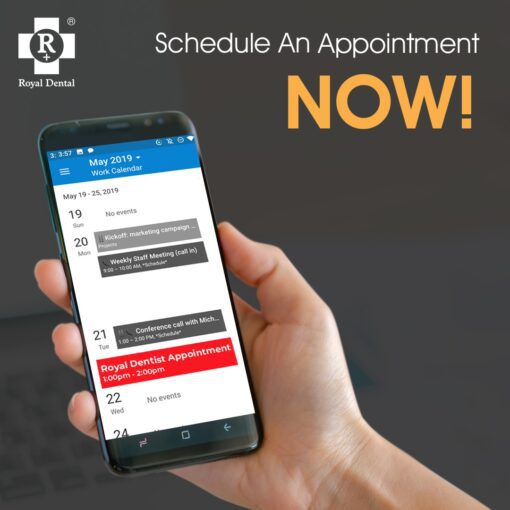
Practice management systems can be helpful for small practices that don’t require a lot of special features. These systems are designed for basic scheduling, billing, and management. They’re also suitable for practices with multiple offices. These types of software are inexpensive and easy to use. Practice management systems generally don’t offer advanced features like scheduling and marketing tools. This is helpful for practices that need a simple solution that they can easily set up and use.
Computer-based dental Software Tracking Technology
Computer-based equipment tracking systems are designed to track your equipment and maintenance schedules. These types of software are helpful for practices with lots of equipment that needs regular maintenance. They can also be helpful for practices with multiple offices because they can be used to track inventory from each location. These systems are usually connected to your dental software.
You can enter the information about the equipment into the system and it will automatically be tracked. You can also enter information about the maintenance schedule. The system can automatically remind you when an item is due for service. Computer-based equipment tracking systems can be helpful for practices with lots of equipment. However, not all systems are connected to dental software. If you need to track equipment that isn’t related to dentistry, then this type of system is right for you.
Dental Software with Electronic Records
Dental EMR software is designed to manage patient records. This type of software is helpful for large practices with lots of patients. It can be used to track patients, order supplies, and schedule appointments. These systems can be helpful for practices with lots of patients because they can track the information for each patient and make it easy to view their entire dental history.
It can help improve the quality of care because it makes it easy to track allergies and other health issues. Practice management software with EMR can also be helpful for practices with multiple offices. It can be used to track patient information from all locations and make it easy to view and share data. This type of dental software is designed for larger practices with lots of patients. It’s best for practices that have a large patient base and several locations.
Dental Customer Relationship Management Software (CRM)
Dental CRM software is designed to help you keep track of your customers. This type of software is helpful for small practices with few patients. It’s also helpful for practices with a high turnover rate. It can be used to keep track of who has been to the dental office and when they were last seen by the dentist. This type of software is often integrated with other types of dental technologies.
It can be used to track your customers and appointments. It can also be used for things like email marketing, which is helpful for increasing referrals to your practice. Dental CRM software is designed for small practices with a low patient volume. It’s helpful for bringing in new patients and tracking those who visit your office. It’s helpful for practices that are growing but don’t have a lot of patients.
Dental EPR Software Technology
Dental EPR software is designed to help you write prescriptions electronically. This type of software is helpful for large practices. It can be used to send prescriptions to a pharmacy for your patients and track when they are filled. It can also be used to send prescriptions to other dentists and other medical professionals, like oral surgeons or an orthodontist.
Dental EPR software is helpful for dentists who write a large number of prescriptions. It’s helpful for practices with multiple offices because it can be used to send prescriptions to pharmacies from each location. This type of software is designed for larger dental practices. It can be expensive and time-consuming to set up. It’s helpful for practices that have a high volume of prescriptions and rely on referrals from other medical professionals.
Dental POS (point of sale) Software
Dental POS software is designed to help you keep track of inventory and sales. This type of software is helpful for practices that sell products, like orthodontic appliances, retainers, or dental products. It can be used to track inventory and sales. It can also be used to accept payments at the front desk. Depending on how you use the system, it can be helpful for small or large practices.
It’s helpful for practices that sell a lot of products because it can track inventory and make it easy to reorder when needed. This type of software is designed for businesses that sell products. It can be expensive, but it can be helpful for practices that sell a lot of dental products.
Conclusion
There are many types of a dental software that can help practices run more efficiently and easily track patient information. Choosing the right dental software for your practice depends on your needs and how you want to use it. You should select a dental software system that is easy to use and will help your practice run smoothly.
Frequently Asked Questions
What are the main types of dental software?
Common categories include practice management, electronic dental records, imaging, clinical charting, CRM, billing, inventory/equipment management, communication and e-prescribing systems.
What is dental practice management software?
It helps manage administrative workflows such as appointments, billing, patient information and practice operations.
Do small dental practices need dental software?
Many small practices can benefit from software for scheduling, records, billing and communication. The appropriate system depends on the practice’s workflow and budget.
Is dental software secure?
Security depends on the software provider, configuration and the practice’s own access and data-management practices. Practices should evaluate security controls, backups and applicable privacy requirements before choosing a system.
Can dental software integrate with imaging systems?
Many modern systems can integrate with digital imaging and other clinical technologies, but compatibility varies between platforms. Practices should verify integrations before purchasing.