
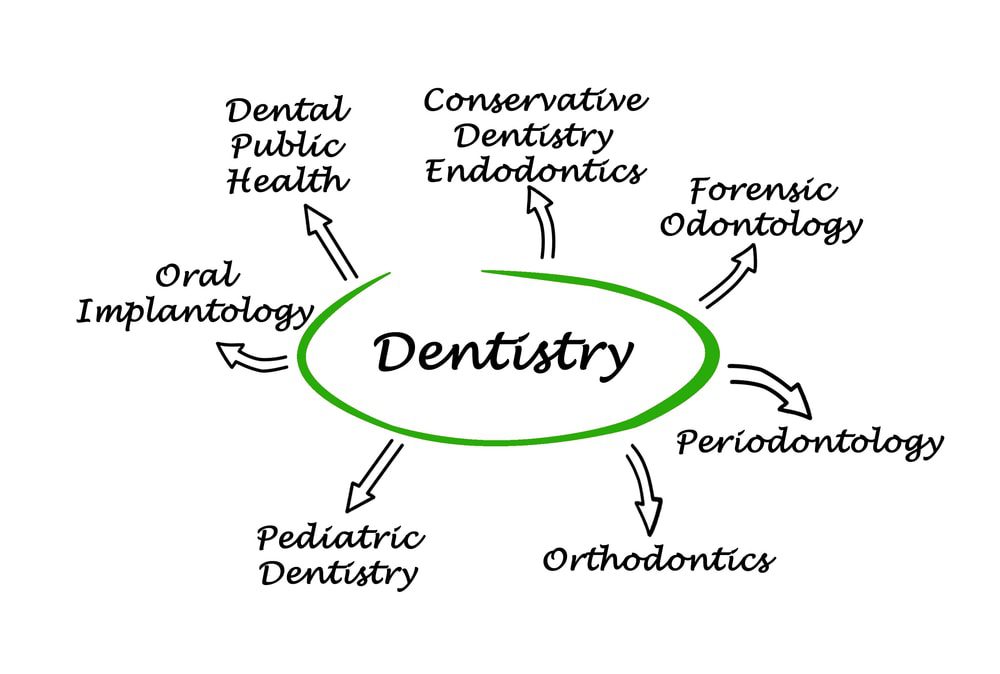
Dentistry includes several specialties, with each focusing on a particular area of oral health. While a general dentist can manage many common dental problems, some conditions may require care from a specialist such as an orthodontist, periodontist, endodontist, prosthodontist or oral and maxillofacial surgeon. Understanding the different dental specialties can help you know which type of dentist may be appropriate for your specific concern.
Who Is This Article For?
- Patients trying to understand different dental specialties
- People unsure which dentist they should consult
- Patients with gum problems
- People considering braces or bite correction
- Patients needing root canal treatment
- People with missing teeth
- Patients requiring oral or jaw surgery
- Anyone wanting to understand the difference between general dentistry and dental specialties
General and restorative dentistry
General dentist and restorative dentists are dental specialists who diagnose, treat, and prevent diseases of the oral cavity (mouth) and nearby teeth and gums. Their areas of expertise are similar, but the type of treatment they specialize in varies. General dentists are also called oral health therapists and focus on preventive dental care and treating diseases with early detection and non-surgical treatments.
They treat issues such as cavities and periodontal disease but aren’t trained to fit dentures or provide oral surgery. Restorative dentists specialize in treating dental issues with surgery and replacing diseased teeth with dental implants, crowns, or bridges. They treat tooth decay and other dental issues with fillings, crowns, and root canals.
Dental Sub-specialties
General Dentistry
A general dentist is your primary care dental provider. A dentist has many responsibilities including the diagnosis, treatment, care, and management of your overall oral health. Non-metal fillings, periodontal (gum) care, root canal surgeries, crowns, bridges, and preventive education are some of the services a general dentist provides, among several others.
Cosmetic Dentistry
Cosmetic dentistry procedures include straightening, brightening, reshaping, and even repairing teeth. A Cosmetic dentistry focuses on improving a person’s smile and may include teeth whitening, dental veneers, dental bonding, white fillings, and invisible braces.
Restorative Dentistry
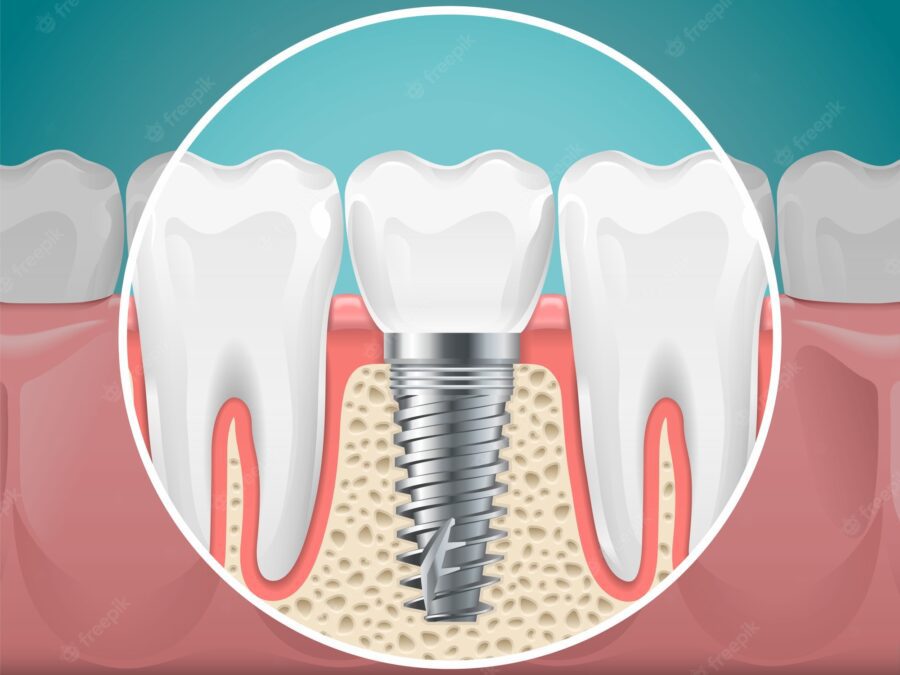
Restorative dentistry restores your smile and health after tooth damage and disease. A Restorative services will improve the structure, health, and appearance of the teeth and mouth for those suffering from ailments.
Geriatric dentistry
Geriatric dentistry is concerned with the oral health of elderly persons, who usually have significant medical problems and are taking multiple medications. Elderly people often experience symptoms of dental decay and gingival (gum) disorders that differ from symptoms experienced by younger people.

Orthodontics
Orthodontists specialize in correcting bite problems, such as crooked teeth and misaligned bites, through the use of braces and other orthodontic appliances. They may also provide advice on how to maintain good dental health. Orthodontists are dentists who specialize in correcting bite issues. They often treat teens and children by using braces to move teeth into their proper place, but they may also treat adults who have dental issues related to bite problems.
Prosthodontics
Prosthodontists specialize in replacing missing teeth and oral health issues with dental implants, dentures, and other appliances. Prosthodontists focus on restoring oral health by fitting patients with dentures, dental implants, and other appliances. They treat patients who have lost teeth due to disease or injury. This may include fitting patients with dental implants or dentures.
Oral and Maxillofacial Surgery
Oral and maxillofacial surgeons specialize in treating oral diseases and disorders, including injuries, congenital defects, and other issues. They also perform surgical and non-surgical procedures on the head, neck, jaws, and face. These procedures may be to treat dental issues or other oral diseases, such as cysts or tumors on the gums or tonsils. Oral and maxillofacial surgeons may treat a wide range of issues.

These may include birth defects, injuries, or diseases that affect the mouth, teeth, gums, or jaw. They may perform surgeries to correct problems such as cleft lips or palates. And Other procedures performed by oral and maxillofacial surgeons include removing wisdom teeth, treating cysts or tumors, and fitting patients with dentures.
Other Dental Specialties
Other dental specialties include pediatric dentistry, periodontics (focus on gum health), orthognathic dentistry (correcting bite issues), and pediatric dentistry to name a few. You can choose to specialize in one of these dental specialties or find a job as a general dentist. It’s important to consider what type of work you enjoy and the salary that comes with each dental specialty.
Conclusion
Dentistry is a rewarding career that allows you to help patients maintain good oral health and live better lives. With so many dental specialties to choose from, you can find a specialty that interests you and fits your interests and strengths. You can then select a dental school or program that allows you to specialize in the dental specialty of your choice.
Frequently Asked Questions
What are the main dental specialties?
Common dental specialties include endodontics, orthodontics, periodontics, prosthodontics, pediatric dentistry and oral and maxillofacial surgery. General dentistry provides broad oral-health care but is not the same as a specialist field.
What type of dentist treats gum disease?
A periodontist specializes in the diagnosis and treatment of diseases affecting the gums and supporting structures around teeth. General dentists can also diagnose and manage many gum conditions.
What type of dentist performs root canals?
General dentists may perform root canal treatment, while endodontists specialize in diseases and treatment of the dental pulp and tissues around tooth roots.
What type of dentist treats missing teeth?
Missing teeth can be managed through several restorative approaches. Depending on the case, a general dentist, prosthodontist or dentist with appropriate implant training may be involved.
Do I need to see a specialist for every dental problem?
No. A general dentist can manage many common dental conditions. If specialist treatment is appropriate, your dentist can refer you to the relevant specialist.