
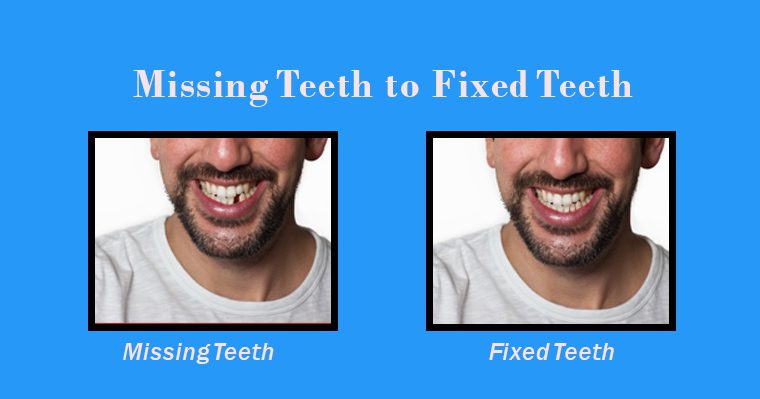
Dental implants are devices that are placed in the jawbone to support replacement teeth. Dental implants are different from traditional dental restorations like crowns and bridges because they integrate with the jawbone and last much longer. Once an implant is placed, it will not be visible as it is below the gums. More and more people are getting their dentistry done online to save time and money. There are many reasons we choose an implant as our means of restoration. Implants can give you a stable, long-term solution for a missing tooth. A cosmetic dentist will determine if you’re a candidate for tooth implants. If you’re a good candidate for this treatment, they will aid you in planning a treatment plan that is right for you and your smile!
Who Is This Article For?
- Patients with missing teeth
- People considering dental implants
- Individuals exploring tooth replacement options
- Patients comparing dentures and bridges
- Anyone interested in restoring oral health and function
What is a Dental Implant?
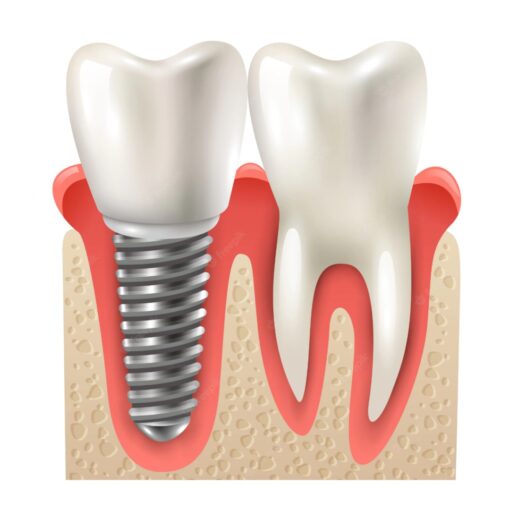
They are artificial structures that a dental surgeon inserts into a person’s jawbone. A person may need an implant if they have lost one or more teeth. A tooth implant is a titanium post that is surgically placed into your jawbone. This post will act as an anchor for your new replacement tooth. If you lose teeth due to gum disease or tooth decay, it can be difficult to eat and smile with confidence. Tooth implants are the best way to replace missing teeth.
They look and feel like real teeth and provide stability. You can brush and floss around your dental implants just as you would your natural teeth. Dental screws are placed inside your gums. Once the implant is set, a dentist will place a titanium screw on top of the implant. This screw will fuse with your bone and provide a stable foundation for your new tooth.
Why get Dental Implants?
Implants are the best way to replace missing teeth. They are more stable than dentures and can last a lifetime! Once an implant is placed into your jaw, it will fuse with the surrounding bone and become a permanent fixture in your mouth. Tooth implants look and feel like real teeth and provide stability. You can brush and floss around your dental implants just as you would your natural teeth. Tooth implants are a great option if you are missing one or more teeth due to gum disease or tooth decay. Dental implants can be used to replace one or more teeth. They are often used with dentures to create a more stable and permanent solution for missing teeth.
Benefits of Dental Implants
One of the biggest advantages of an implant is that it restores full chewing power. Most patients can’t tell the difference between their natural teeth and the implanted tooth. They can eat with it completely normal, and they can brush and floss normally as well.
Dental Implants can last a lifetime
Whereas a dental bridge may only last around 10 years or so, implants can last a lifetime. It’s bio-compatible, meaning that it’s non-toxic and not rejected by the body. All in all, it makes a powerful replacement tooth.
Tooth Implants prevent bone loss
Bone loss occurs in the jaw when there are no tooth roots (or implants) keeping the jaw bone stimulated. Where there is no tooth, the jaw bone in the empty space deteriorates due to lack of stimulation. If no implant is placed in the first year of losing a tooth, that bone area loses 25% of its volume, and bone loss continues over the years.
Dentures can even accelerate bone loss as they often become loose, and then rub against the bony ridge, gradually wearing it away. Because an implant replaces the root as well as the tooth, and chewing is restored to normal, it provides the needed stimulation for natural bone growth.
Tooth Implants keep adjacent teeth stable
The gap from a missing tooth can cause adjacent teeth to crookedly shift towards the gap. This pulls your teeth out of position and can affect your bite, your ability to chew, and your appearance. It can cause interference that makes tooth replacement difficult later. A poor bite can also lead to issues with your TMJ (temporomandibular joint) and may result in pain and headaches.
Implants can prevent facial sagging and premature aging
Facial sagging can be an unwanted effect of bone loss resulting from missing teeth. This is where the lower third of the face starts to collapse, gradually closing the distance between the tip of the nose and the chin. Changes can include excess wrinkles around the mouth, thinning lips, and a more pointed chin, making the person look a lot older than his or her true age.
How are Dental Implants placed?
First, your dentist will determine if you are a good candidate for dental implants. This will depend on your oral health, age, and other factors. If you are a good candidate, your dentist will create a dental implant treatment plan for you. They will help you understand how dental implants work and the best way to get the results you want.
The first step in the dental implant process is to surgically place the implant into your jaw. The implant is placed inside your gums, at the site of your missing tooth. Once the implant is placed, a titanium screw will be placed on top of the implant. This screw will fuse with your bone and provide a stable foundation for your new tooth.
Complications with Dental Implants
Dental implants. While the dental implant process is generally very safe, there are some complications that could arise. One of the most common complications is an infection around the implant site. Another potential issue is that the implant doesn’t fuse with the bone. If an implant doesn’t fuse with the bone, it is referred to as a “non-union” you don’t have dental insurance or the funds to pay for dental implants upfront, consider getting them done online! If you’re getting dental implants, it’s important to follow your dentist’s post-treatment instructions. Make sure to follow any specific diet restrictions and take care of your gums.
Conclusion
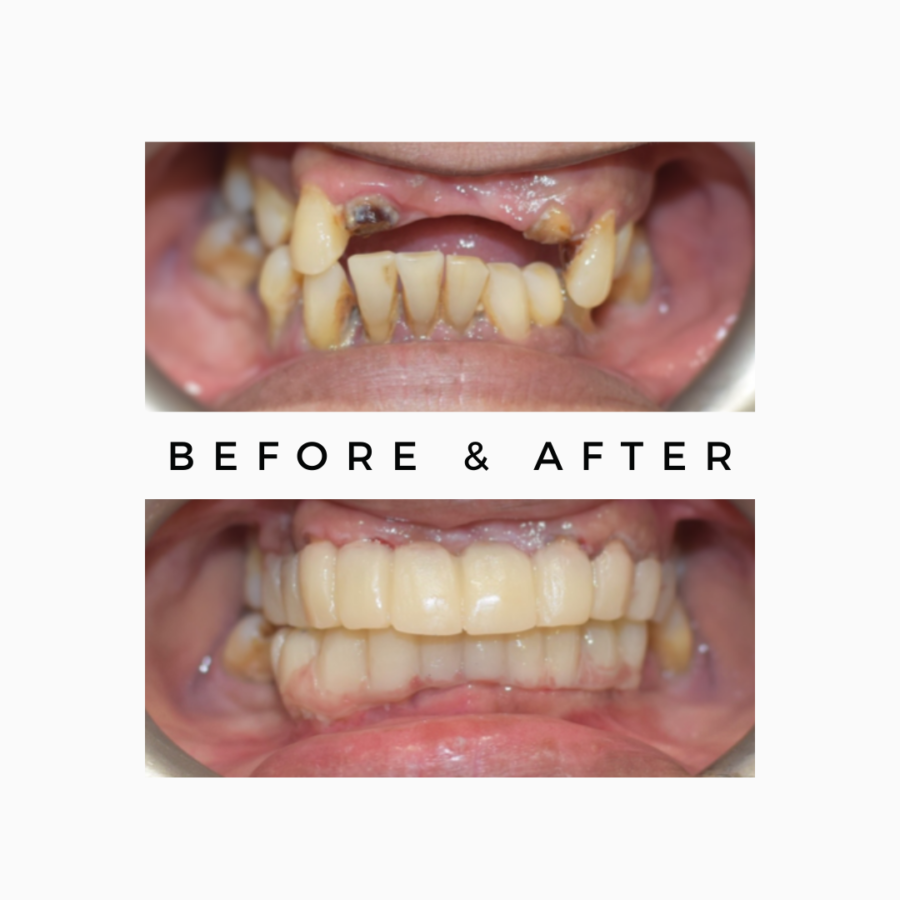
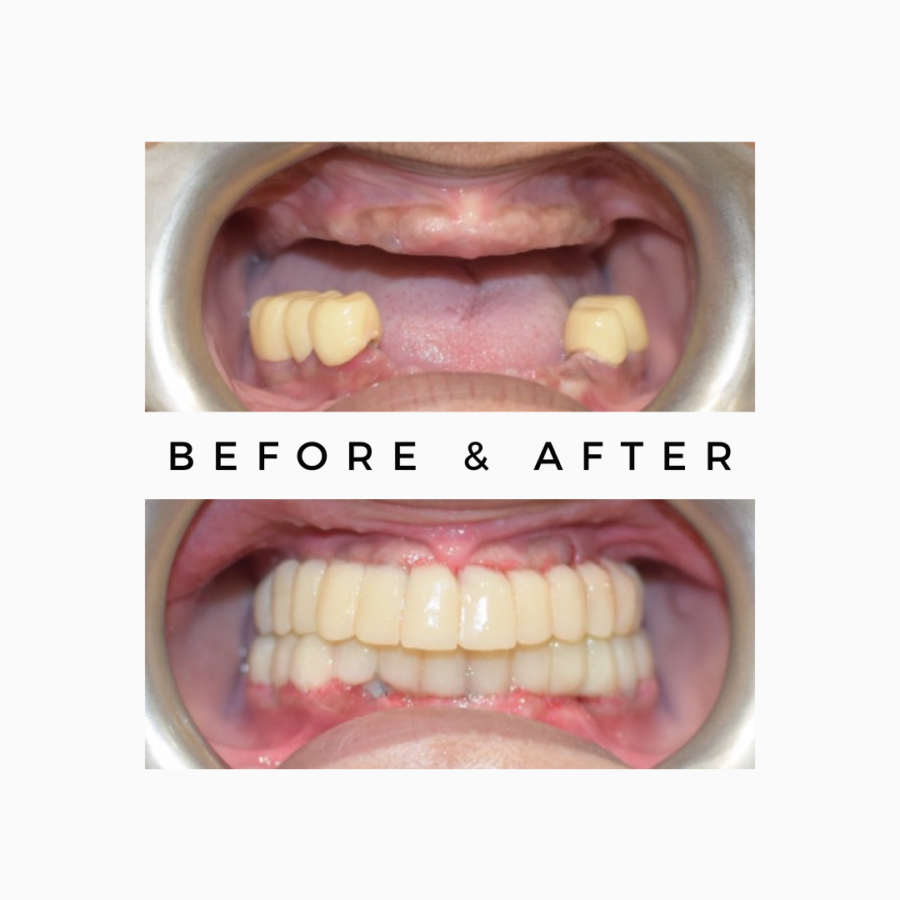
Dental implants are artificial tooth roots designed to replace missing teeth and restore oral function. They provide excellent stability, natural aesthetics, improved chewing ability, and long-term durability. By replacing both the tooth and its root, dental implants help preserve jawbone health and offer one of the most predictable solutions for tooth replacement in modern dentistry.
FAQ
What are dental implants?
Dental implants are artificial tooth roots placed into the jawbone to support replacement teeth such as crowns, bridges, or dentures.
Are dental implants permanent?
Dental implants are designed as a long-term tooth replacement solution and can last for many years with proper care and maintenance.
Do dental implants look like natural teeth?
Yes. Implant-supported crowns are custom-made to closely resemble natural teeth in appearance and function.
Can dental implants replace multiple teeth?
Yes. Dental implants can replace one tooth, several teeth, or an entire arch depending on the patient’s needs.
Do dental implants help preserve jawbone health?
Yes. Dental implants stimulate the jawbone and help reduce bone loss that commonly occurs after tooth loss.
Suggested Article –
Pros and Cons of Full Mouth Dental Implants
Difference between Crowns and Dental Implants?