
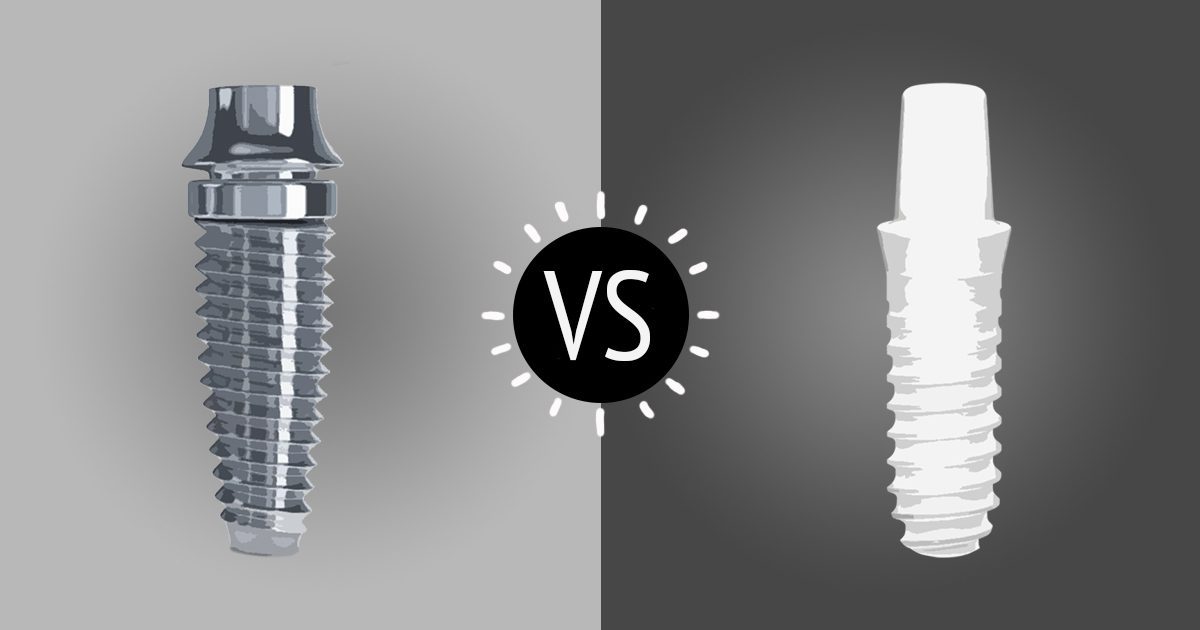
Where there is something good, there is also something that needs improvement. That’s the way of the world. Even when something has good points, there will be something that could be better. This principle holds true for dentistry as well. Although Metal-free Dental Implants are a very beneficial for missing teeth, they offer many advantages and have some long term benefits. These issues are due to the materials used in making them. Most of them have some sort of metal component inside or on their surface. If you have read about dental implants before, you might know about this concern regarding metal and its effect on our bodies. If you’re thinking about getting dental implants but are worried about their metals, this article is for you!
Who Is This Article For?
This article is for patients who need to replace one or more missing teeth but are concerned about having metal inside the mouth. It may also help people exploring zirconia or ceramic implants because of aesthetic preferences, a thin gum type, previous sensitivity to metals or a desire for a metal-free dental restoration. The final choice should be made only after evaluating the available bone, bite forces, gum condition, implant location and the type of fixed teeth planned.
What Do “Metal-Free Dental Implants” Actually Mean?
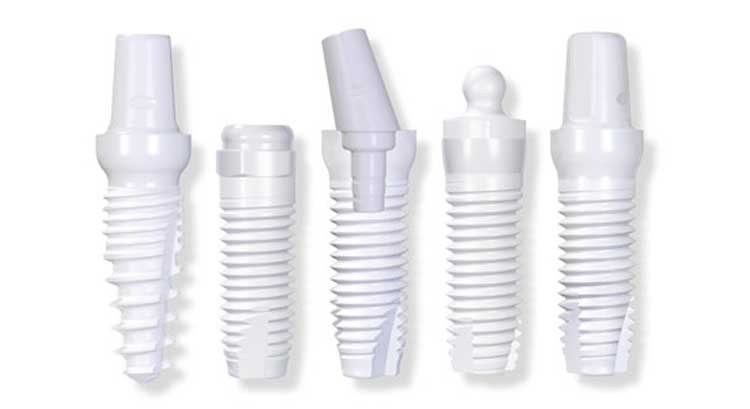
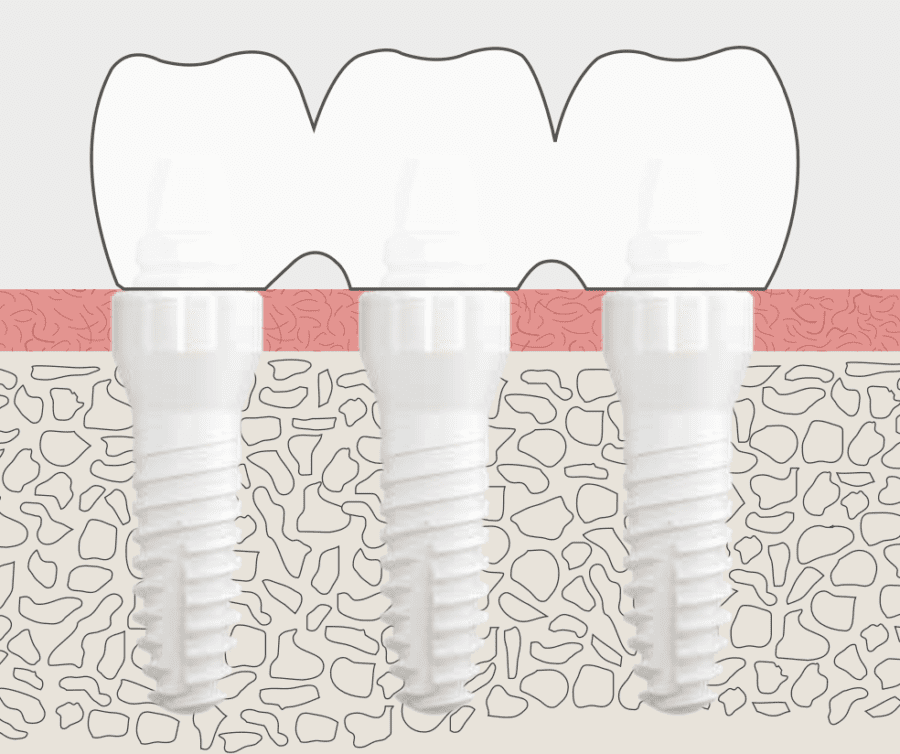
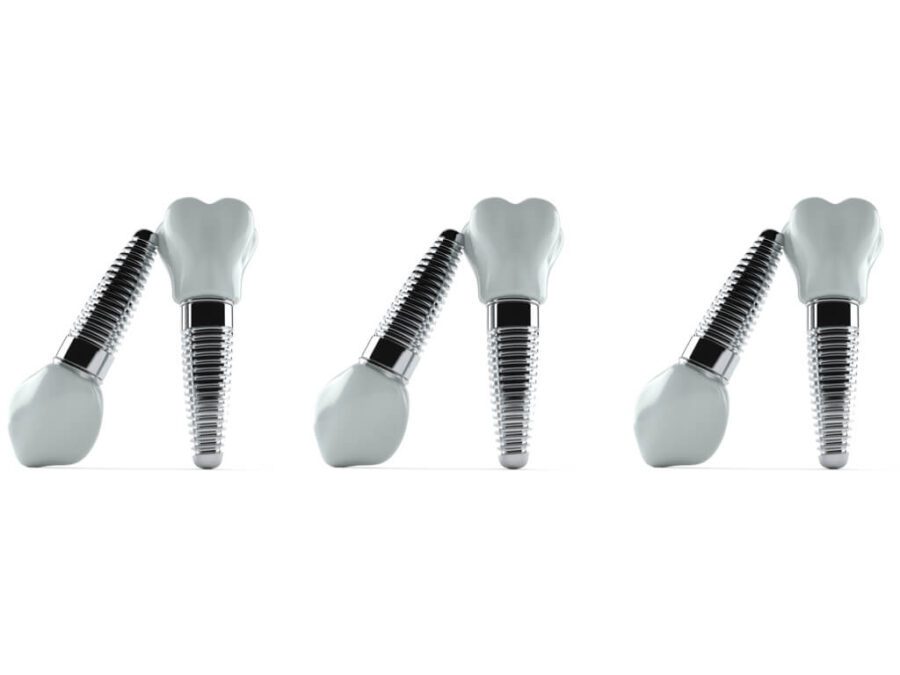
In clinical dentistry, the term metal-free implant usually refers to an implant made from zirconia, a high-strength ceramic material. Patients should distinguish between the implant placed inside the jawbone and the crown or bridge attached above it. A restoration may be described as metal-free even when only the visible crown is ceramic, while the implant underneath is titanium. Therefore, patients should ask whether the implant fixture, abutment and final crown are all metal-free or whether the term applies only to the visible restoration.
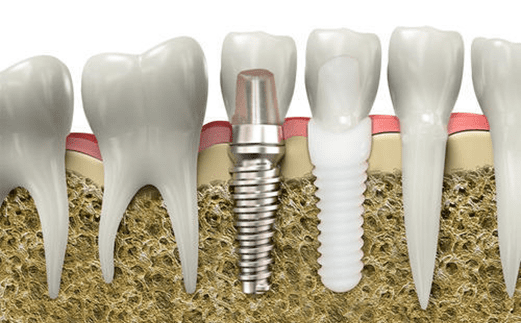
Zirconia Implants Versus Titanium Implants
Zirconia implants can provide an aesthetic advantage because their white colour is less likely to create a grey appearance through thin gums, particularly in the front-tooth region. Zirconia is also biocompatible and has shown encouraging clinical survival and bone-level outcomes. However, titanium implants continue to have a larger body of long-term research, a wider range of implant sizes and components, and greater flexibility in complex treatment planning. Reviews comparing the two materials have found promising results for zirconia, but some analyses still report better survival or marginal-bone outcomes for titanium.
Who May Consider a Metal-Free Implant?
A zirconia implant may be considered for a patient who strongly prefers a metal-free option, has a thin gum biotype in the aesthetic zone or has a carefully evaluated history of metal sensitivity. Suspected titanium hypersensitivity is uncommon and can be difficult to diagnose reliably, so an implant should not be selected solely on the basis of a general history of jewellery or nickel allergy. Implant position, bone volume, bite pressure, grinding habits and the experience of the treating implant dentist are usually more important to long-term success than the material alone.
What Are the Limitations of Zirconia Dental Implants?
Metal-free implants are not suitable for every clinical situation. Certain zirconia implant systems may offer fewer prosthetic components, angulation options or diameter choices than established titanium systems. Treatment can also be more technique-sensitive, particularly where space is limited or the implant must be placed at a difficult angle. Long-term evidence is growing, but it remains less extensive than the evidence available for titanium implants. A clinician should therefore recommend zirconia only when the implant design and treatment plan are appropriate for the individual case.
Advantages of Metal-free Dental Implants
Allergy prevention – This is the first and main advantage that comes to mind. If you have an allergy, you will be glad to know that a metal-free dental implant will not trigger it. Less tooth tissue damage Even if you don’t have an allergy, you can still get some tooth tissue damage from metal dental implants. Metal-free dental implants will cause less of this in missing teeth.
Less risk of infection – Infection is one of the most common concerns with dental implants. It can come from the surrounding area or be inside a dental implant. Infection inside a dental implant is more likely with a metal dental implant.
Benefits of Ceramic and Polymer Implants
Long-lasting dental implants – The biggest advantage of ceramic dental implants is that they are highly resistant to abrasion. This means that they do not wear down as quickly as other materials. Due to this, they can last longer than other types, keeping you from needing to replace them prematurely.
Improved aesthetic result – Another advantage of ceramic dental implants is that they are very porous. This allows the surrounding tissues to grow into them more easily. This results in a better aesthetic appearance for patients.
Less likely to cause allergic reactions – In the event of an allergy, ceramic dental implants are much less likely to cause a reaction than metal dental implants. Less toxic effects Unlike metal dental implants, ceramic dental implants do not have any toxic effects on the body.
No allergic reactions: Dental implants made with fully biological materials do not cause any allergic reactions. This means you can have dental implants without worrying about having an allergic reaction.
Longer-lasting dental implants: One of the main advantages of fully biological dental implants is that they last longer than other materials. They are very strong and resistant to abrasion. This means that they do not wear down or degrade as quickly as other materials. Due to this, they can last longer than other types, keeping you from needing to replace them prematurely.
Conclusion
Metal-free zirconia implants can be a useful option for selected patients seeking good aesthetics and a ceramic alternative to titanium. Their white colour, biocompatibility and encouraging clinical outcomes are important advantages. However, they should not be presented as automatically safer, infection-proof or longer-lasting than titanium implants. The best implant is the one selected after considering the patient’s bone, gums, bite, medical history, aesthetic expectations and overall rehabilitation plan.
FAQs
Are zirconia dental implants completely metal-free?
The implant fixture itself is made from zirconia ceramic and is generally described as metal-free. However, patients should confirm the composition of the abutment, connecting screw and final crown because some restorative systems may contain additional components.
Are metal-free implants safer than titanium implants?
Zirconia implants are biocompatible, but current evidence does not prove that they are universally safer than titanium implants. Titanium has decades of successful clinical use, while zirconia is a valuable alternative for selected situations and patient preferences.
How long do zirconia dental implants last?
Zirconia implants have demonstrated encouraging survival in clinical studies, including some longer-term reports. Their lifespan nevertheless depends on correct case selection, implant positioning, bite forces, oral hygiene, smoking, gum health and regular maintenance. The evidence base is still smaller than that available for titanium implants.