
Did you know that there are more than 200000+ dental clinics in India? The country has emerged as one of the leading destinations for receiving dental treatments. It is not only known for its affordable and cost-effective services, but also for its world-class infrastructure and standards. There are so many to options, so how does one choose the best dental clinic in India? Finding the right service can be challenging. You need to do your homework before zeroing in on a particular clinic. Read on to learn about the seven steps to selecting the best dental clinic in India for you!
Who Is This Article For?
This article is for Indian residents, NRIs and international patients comparing clinics for routine dentistry, cosmetic treatment, dental implants or full-mouth rehabilitation. The “best” clinic is not necessarily the cheapest or the one with the most reviews. It is the clinic that can diagnose the condition correctly, explain suitable options, deliver treatment safely and provide dependable follow-up.
Step 1: Verify the Dentist’s Registration and Qualifications
Confirm that the treating dentist has a valid registration and qualifications appropriate for the proposed procedure. The National Dental Commission portal provides access to the Indian Dentists Register and related professional information.
The Dental Council of India was dissolved on 19 March 2026 and replaced by the National Dental Commission, although some digital services continue through the existing DCI-domain portal during the transition. For specialised procedures, ask who will perform the treatment and whether that clinician regularly manages similar cases.
Step 2: Expect a Complete Diagnosis Before Treatment
A clinic should not promise a final plan based only on a telephone conversation or one photograph. The consultation should include a medical and dental history, clinical examination and appropriate imaging. Complex implant, jaw or full-mouth cases may require photographs, digital scans, X-rays or CBCT imaging.
Patients should receive an explanation of the diagnosis, treatment alternatives, expected benefits, important risks and likely timeline before providing consent. India’s Charter of Patients’ Rights recognises access to relevant treatment information, expected costs, records and informed consent.

Step 3: Evaluate Safety and Infection-Control Systems
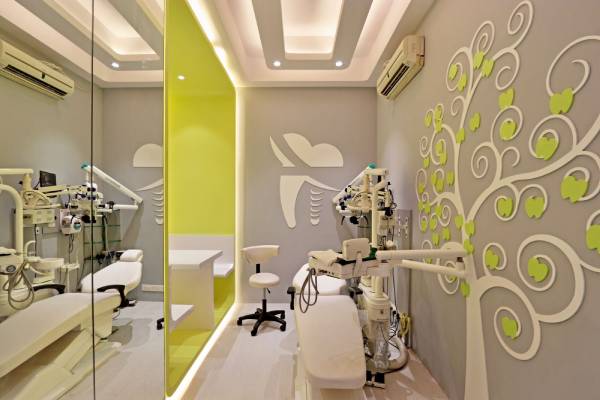
Ask how instruments are cleaned, packaged and sterilised and whether disposable items are used appropriately. For surgical treatment, understand the clinic’s protocols for medical emergencies, oxygen, monitoring, medicines and referral or hospital support. A clean waiting room alone does not confirm that the clinical sterilisation process is adequate.
Step 4: Check Whether Technology Is Used Appropriately
CBCT, digital scanners, CAD-CAM systems and surgical guides can assist diagnosis and treatment, but technology should support clinical judgement rather than replace it. Ask why a scan or machine is required and how it will change the treatment plan. A clinic should not recommend unnecessary imaging merely because the equipment is available. For advanced restorative work, coordination between the dentist and dental laboratory can influence fit, material selection, appearance and delivery time.
Step 5: Review Relevant Experience, Not Only Testimonials
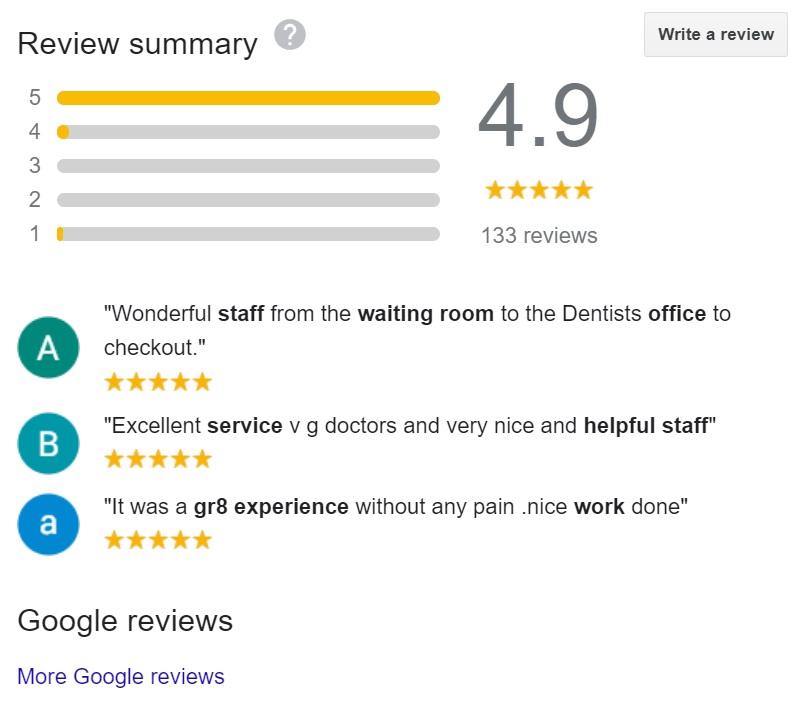
Ask whether the treating clinician has managed cases similar to yours and whether anonymised clinical photographs, scans or follow-up records can be shown with patient consent. Online reviews can provide general impressions about communication and service but cannot independently verify diagnosis, clinical quality or long-term success. Be cautious of guarantees, exaggerated success claims and heavily edited before-and-after photographs without an explanation of treatment limitations.
Step 6: Request a Written Treatment Plan and Complete Estimate
The estimate should identify the proposed procedures, number of implants or teeth, provisional and final materials, laboratory work, scans, sedation, grafting and follow-up requirements. Ask which charges may arise later and what is included in any warranty or maintenance programme. The patient-rights charter supports access to expected costs, rates, records and itemised bills. Comparing only the first quoted amount may be misleading when clinics include different materials or stages.
Step 7: Confirm Aftercare and Continuity
Before starting treatment, ask who will manage postoperative concerns, how frequently reviews are required and what happens when the treating dentist is unavailable. Patients travelling from another city or country should receive a realistic schedule, sufficient recovery time and copies of scans, implant records, prescriptions and treatment summaries. A dependable aftercare system is especially important for implants, full-mouth rehabilitation, jaw surgery and complex cosmetic treatment.
Conclusion
Finally, choosing the best dental clinic in India can be challenging. You can make the process easier by following these seven steps. Make sure to do your homework before zeroing in on a particular clinic. You can also get in touch with patients who have received these procedures in the past. These can help you understand the process better.
Medical Disclaimer
This article is for patient education only. Dental treatment should be planned after clinical examination, medical history review, and X-rays or scans where required. Treatment suitability, cost, timeline, healing, and results vary from patient to patient.