
Cavities, also called dental caries or tooth decay, are common but many risk factors can be managed with consistent oral care. Brushing twice a day with fluoride toothpaste, cleaning between your teeth daily, limiting frequent sugary foods and drinks, and visiting your dentist regularly can help reduce your risk of cavities. Whether you are looking for seasonal dental care tips or simple ways to protect your teeth throughout the year, these practical cavity prevention tips can help you maintain better oral health. Learn how to prevent cavities with simple dental care tips, including fluoride toothpaste, brushing, flossing, healthy eating and regular dental check-ups.
Who Is This Article For?
This article is useful for:
- People looking for ways to prevent cavities
- Adults concerned about tooth decay
- Parents looking for cavity prevention tips for children
- People who frequently consume sugary foods or drinks
- Patients with a history of dental cavities
- People wanting to improve their daily oral hygiene
- Anyone looking for simple tips to maintain healthy teeth
Keep your dental hygiene routine twice-a-day
Holidays are the perfect time for sleeping in, eating out, and being spontaneous with your day. Even if you’re not hitting that alarm clock at 6 am, ensuring you start and finish your day with your usual brushing and flossing routine means those extra gingerbread cookies or second glass of red wine aren’t hanging around longer to contribute to plaque buildup or stains.
Up your hydration to be cavity-free
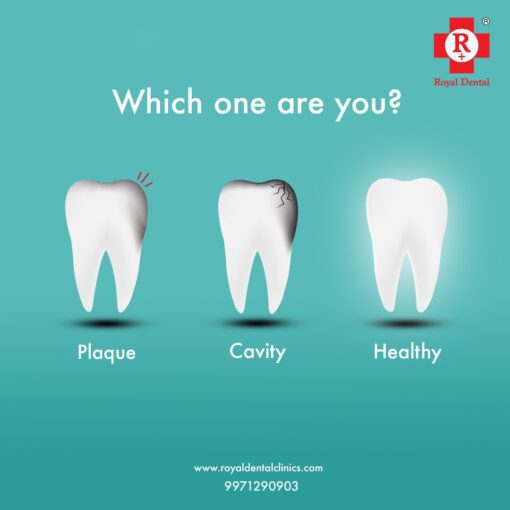
Not only is water better for your teeth than fizzy drinks or alcohol due to its lack of sugar. But keeping hydrated can also assist with your mouth creating adequate saliva, which helps prevent bacteria growth. It’s a great time of year to enjoy a sweet drink or two, but remember to match your refills with a glass of plain or sparkling water. With our hot Australian summers, your whole body will thank you!
Treat yourself with new toothbrush to be cavity-free
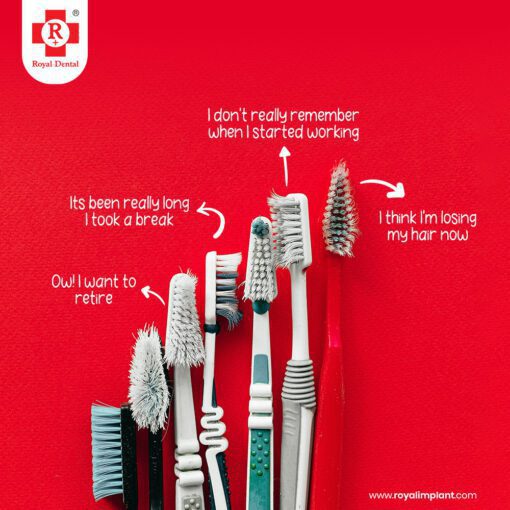
We generally recommend a new toothbrush every 3 months. So if you’ve got to December and realized your brush is looking a little lived-in, great! Appliances and gadgets are often on sale for Christmas and Boxing Day. So why not treat yourself to a new electric toothbrush? Likewise, a timer toothbrush for kids is a great stocking filler and means they’ll be more excited to keep up their routine.
Prepare healthy snacks and be cavity-free
It’s simple to succumb to all-day snacking on sugar-loaded treats when there are so many cookies. Hard candies and chocolates are available. You can lessen your teeth and tummy’s burden by ensuring you have healthy snacks when you open the fridge, so you can just grab and go. Our favourites are capsicum and carrot stick with hummus, cherry tomatoes, feta-stuffed olives, or mixed berries for a sweeter treat.
Never Use Your Teeth as Present-Openers
Teeth are great for many things. But they do not make good tools for presents or bottle openers. Using your teeth to open bottles, packages, packets etc., may not end well. With time, this activity weakens the enamel and makes the edges of your teeth more fragile, leading to cracks and breakages.
Book your dental checkup before you head back to work
Utilize those final free days to get your health in order, including a check-up with your dentist. Even if you’ve abstained from the sweet stuff. January is a great time to book in and kick start your New Year ensuring your teeth, gums and mouth are healthy. With our online booking system, you can even set and forget your appointment for as far in the distance as six months!

And if you do discover a Cavity; Learn How to Prevent Cavities
A Cavity free can strike the best of us, even if we have taken positive steps to prevent one. If you do happen to find yourself with a cavity this festive season, at Royal Dental Clinics. We are happy to help you address it and get back to the festivities as quickly and painlessly as possible. Your smile is an asset, and you want it to remain cavity free this holiday season. By following the above tips, you can keep your smile shining into the new year. Here’s wishing all a Merry Christmas and a Happy New Year. A year full of success, happiness and lots of healthy smiles!
Conclusion
Preventing cavities starts with simple habits practiced consistently. Brush your teeth twice a day with fluoride toothpaste, clean between your teeth daily, limit frequent sugary foods and drinks, choose water more often and maintain regular dental care. Children and adults with a higher risk of tooth decay may also benefit from additional preventive measures such as fluoride treatments or dental sealants when recommended by a dentist. While no approach can guarantee completely cavity-free teeth, consistent prevention and early professional care can help protect your smile and reduce the risk of tooth decay.
Frequently Asked Questions
How can I prevent cavities?
Brush twice daily with fluoride toothpaste, clean between your teeth every day, limit frequent sugary foods and drinks, maintain a balanced diet and attend dental check-ups based on your dentist’s recommendations.
Can brushing twice a day prevent cavities?
Twice-daily brushing with fluoride toothpaste can significantly reduce the risk of cavities, but it does not guarantee that cavities will never develop. Other factors, including diet, saliva, oral bacteria and individual cavity risk, also matter.
Does sugar cause cavities?
Frequent exposure to dietary sugars contributes to the caries process because oral bacteria can ferment sugars and produce acids that damage tooth mineral. Reducing the amount and frequency of sugary foods and drinks can help lower cavity risk.
Can fluoride toothpaste prevent tooth decay?
Yes. Fluoride toothpaste is an important part of cavity prevention. Fluoride helps strengthen and remineralize tooth surfaces and reduce damage caused by acids.
Can dental cavities be prevented completely?
No prevention method can guarantee that a person will never develop a cavity. However, good oral hygiene, fluoride exposure, healthy dietary habits and appropriate professional dental care can substantially reduce the risk.