
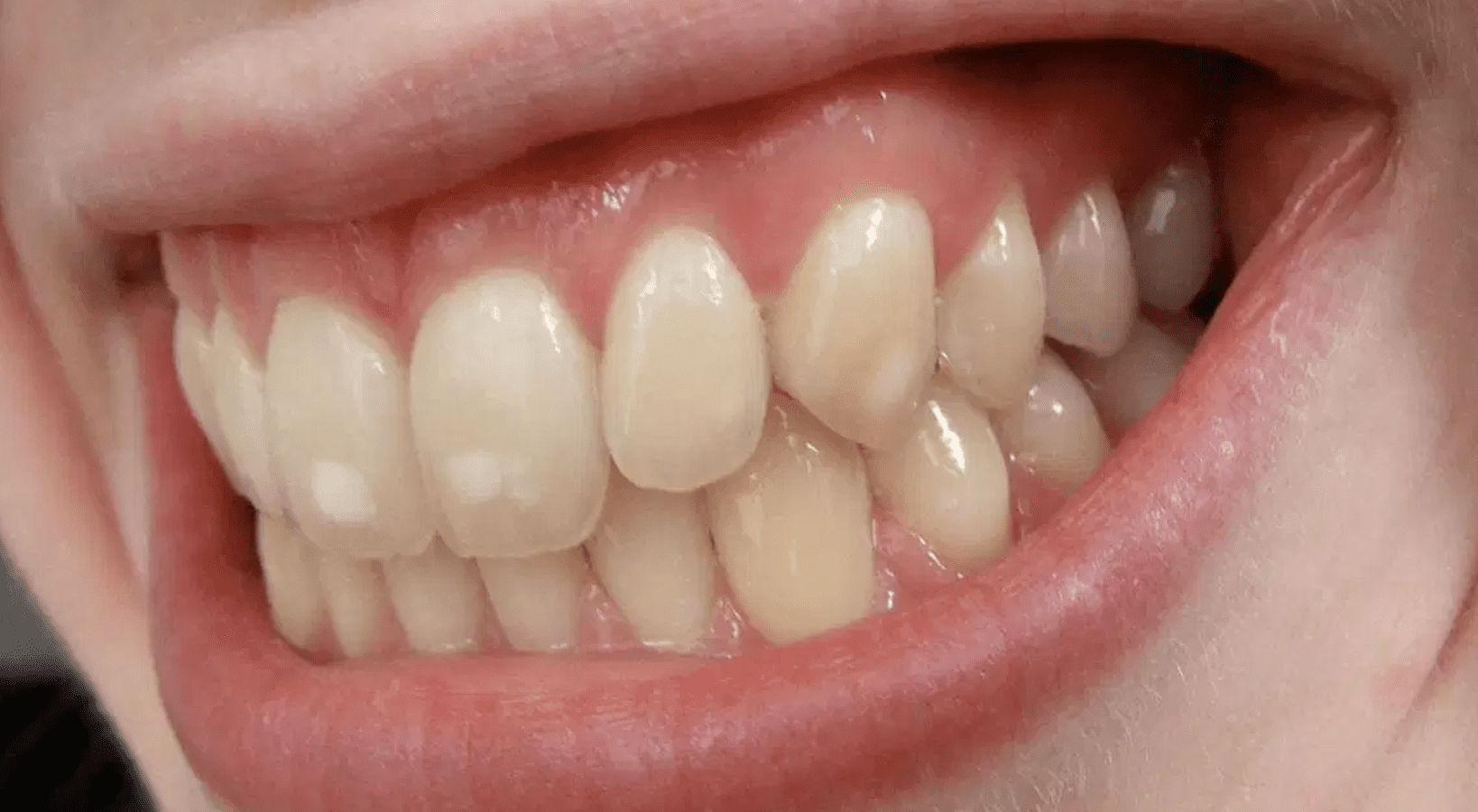
Teeth and calcium are best friends when we’re young, but that relationship can quickly go south as we get older. Adults tend to neglect their teeth later in life, which creates an environment where plaque will flourish. As a result, calcium deposits can build up on our teeth, giving them a dull white or yellowish appearance. If you’re looking for ways to prevent those pesky deposits from sticking around on your pearly whites, we have some tips for you! Calcium deposits or white sports on teeth are a problem many adults face today. The good news is that it’s easy to avoid with the right habits and lifestyle.
What are Calcium Deposits?
The term “calcium deposits on teeth” commonly refers to dental calculus, also known as tartar. It develops when sticky dental plaque is not removed and gradually hardens after absorbing minerals such as calcium and phosphate from saliva. Tartar may appear yellow, brown or off-white and often forms close to the gumline. It is not caused simply by eating calcium-rich foods or taking calcium supplements.
Are Tartar and White Spots the Same?
No. Tartar is a hard, rough deposit that develops over the tooth surface, particularly near the gums. White spots are changes within the tooth enamel and may be associated with early demineralisation, fluorosis or developmental enamel changes. Because these conditions require different treatment, any new white or hardened area on a tooth should be examined by a dentist.
Why Does Tartar Build Up on Teeth?
Tartar forms when plaque remains on the teeth long enough to harden. It commonly develops behind the lower front teeth and around the upper back teeth, where saliva enters the mouth. Factors that may increase buildup include:
- Inadequate brushing or interdental cleaning
- Crowded or overlapping teeth
- Braces, crowns and dental restorations that are difficult to clean
- Smoking or tobacco use
- Dry mouth
- Missing regular professional cleanings
Here are 4 ways you can prevent white spots on your teeth!
1. Brush your Teeth regularly to avoid Calcium Deposit
Calcification occurs when you have a buildup of excess calcium in your body. Calcium deposits can form all over your body, including in your soft tissues, arteries and organs. Some calcium deposits are harmless, but others can be a sign of a serious health condition. You may or may not have symptoms. The most important thing you can do for your teeth is to brush and floss daily. Most people know this but do it anyways.
When you regularly brush and floss, you can prevent a lot of issues like cavities, gingivitis, and bad breath. Brushing your teeth will remove plaque and food particles from your teeth and can prevent calcium deposits from building up on your teeth. Flossing will help you clean in between your teeth where the brush can’t reach. This is where a lot of plaque and bacteria like to hide. If you don’t floss on a regular basis, you run the risk of gum disease, cavities, and even tooth decay.
2. See a Dentist for cleanings to avoid calcium deposit
If you want to prevent calcium deposits on your teeth, you’ll also want to visit your dentist regularly. Dentists can help you white spot any problem areas and even clean your teeth with special tools. Dentists will use fluoride treatments to help strengthen your teeth and prevent tooth decay.

Dentist can help you learn more about which types of dental hygiene products are best for you and your teeth.
Fluoride treatments are one of the best ways to prevent calcium deposits on teeth. Regular cleanings and check-ups will help the dentist spot any potential issues early. Even though you brush and floss daily, you can’t see your teeth as your dentist can.
3. Cut back on sugars to avoid white sport and calcium deficit
Just as bacteria like to hang out in the dark and moist areas of your mouth, it also likes to snack on sugar. If there’s too much sugar around, plaque will feed off of it, which can lead to cavities. To prevent calcium deposits on teeth, you’ll want to cut back on sugary foods and drinks. This will help reduce the amount of plaque on your teeth.
You should also consider reducing or cutting out starchy foods from your diet. Keep in mind that the occasional candy or soda isn’t the end of the world. The key is to reduce your sugar intake as much as possible. In some cases, the calcium depositions on the teeth are hard in consistency and hence do not go away on their own. They cannot be removed at home by brushing or following any other personal oral hygiene procedures.
Calcium deposits can be removed efficiently only by a dental professional.
- Avoid sugary and starchy foods that help plaque grow.
- Brush twice a day.
- Eat a healthy, well-balanced diet.
- Floss once a day to avoid white spots.
- See your dentist twice a year for a professional dental cleaning and checkup.
- Use a tartar-control toothpaste if your dentist recommends it.
4. Try natural remedies for calcium deposit
There are a few natural remedies you can use to help reduce the amount of plaque and bacteria around your teeth. One option is to use a toothbrush that has essential oils on it. These can help reduce bacteria in your mouth and help freshen your breath. You can also use natural mouthwash that contains ingredients like baking soda, peppermint, and tea tree oil. These will help clean and freshen your mouth. These remedies won’t replace brushing and flossing, but they can help reduce the amount of plaque around your teeth.
How Can You Prevent Tartar Buildup?
- Brush twice daily for two minutes using a soft-bristled toothbrush and fluoride toothpaste. Pay particular attention to the gumline and the inner surfaces of the lower front teeth.
- Clean between the teeth every day using floss or an interdental brush. Patients with implants, bridges, braces or crowded teeth may require specialised cleaning aids recommended by their dentist.
- Regular dental examinations and professional cleanings are also important. The ideal frequency should be decided by your dentist based on your gum health, tartar formation and individual risk factors.
Conclusion
Calcium deposits on teeth are usually hardened plaque known as tartar. They are not generally caused by consuming too much calcium and cannot be safely removed at home. Consistent brushing, daily interdental cleaning and professional dental care can help control tartar and protect your gum health.
If you notice hard deposits, bleeding gums, persistent bad breath or unusual white spots, schedule a dental examination for the correct diagnosis and treatment.
FAQs
Does eating calcium-rich food cause tartar?
No. Calcium-rich foods and supplements do not directly create tartar. Tartar develops when plaque remains on the teeth and absorbs minerals naturally present in saliva.
Is tartar the same as plaque?
No. Plaque is a soft, sticky bacterial film that can usually be removed with proper brushing and interdental cleaning. Tartar is plaque that has hardened and requires professional removal.
Can fluoride toothpaste remove tartar?
Fluoride toothpaste helps protect the teeth from decay and supports daily plaque control, but it cannot remove tartar that has already hardened.
Why do I develop tartar so quickly?
The rate of tartar formation varies according to saliva composition, tooth position, oral-hygiene habits, dry mouth, tobacco use and other individual factors.