

Travelling can change your daily routine, eating habits and access to your usual oral-care products, making it easy to overlook your dental hygiene. However, maintaining good oral care while travelling does not have to be difficult. With a few simple habits and a small travel dental kit, you can keep your teeth and gums clean and reduce the risk of dental problems during your trip. Learn practical oral care tips while travelling, including brushing, flossing, travel dental kits, diet, dry mouth and dental emergencies.
Who Is This Article For?
- People travelling for holidays or vacations
- Business travellers with busy schedules
- People travelling internationally
- Backpackers and frequent travellers
- Patients who want to maintain oral hygiene while travelling
- People preparing a travel dental care kit
- Patients concerned about dental problems during a trip
Use Your Own Toothbrush for Oral Care
Alia Bhatt recently confessed in an interview that she gets confused between her and Ranbir’s toothbrushes. Is it okay? Maybe not. You’ll have to do this one regardless of where you’re travelling, and it’s a good idea no matter where you are. Using your own toothbrush and toothpaste will ensure that you are using the dental hygiene products that you are most comfortable with.
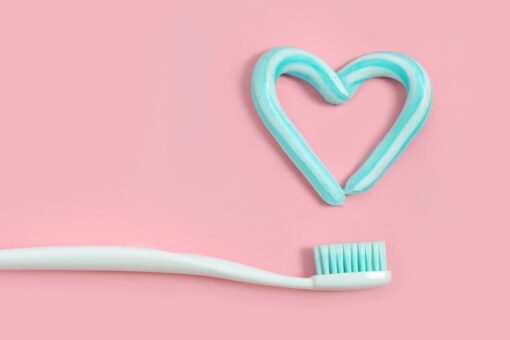
You can also be sure that no one else has been using them! Additionally, some tap water is contaminated with bacteria that can be harmful to your teeth and gums. Using your own toothbrush and toothpaste will help to prevent you from coming into contact with these harmful bacteria. Also, make sure that you don’t forget to pack toothbrush heads for your electric toothbrush!
Floss and Use Mouthwash | Oral care
While travelling, you might notice that your dental hygiene seems to fall a bit short compared to your everyday life. A big part of this is the fact that you are eating different foods than you are used to, which can have a significant effect on your dental hygiene. For example, Asian cuisine often includes lots of rice, causing bad breath. While you are travelling, you might notice that your dental hygiene is suffering.
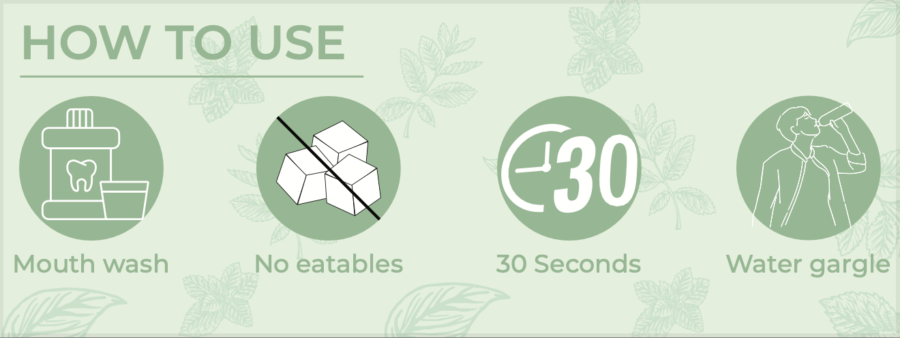
You might find yourself neglecting to floss or brush your teeth after every meal. This can lead to discomfort during travel, to best what you would do is chew gum or use a mouth freshener. In order to combat this, use mouthwash after every meal to kill bacteria left in your mouth that could cause bad breath or oral hygiene issues.
Diet and Dental Care
The foods that you eat can have a big impact on your dental hygiene. This is why it’s important to consider what you are eating and consuming water while travelling. While it might be tempting to try every food item on your travel bucket list, you could be doing a serious number on your teeth in the process. While you are eating at restaurants or buying food from street vendors, you must limit certain acidic, salty, or candied foods. Examples include Fried, Carbonated beverages, Candy, Citrus fruits, Coffee and tomato-based products. So, whenever you are travelling, whether for a short period or a long period, never ignore dental hygiene.
Brush Teeth after Meal for Oral hygiene and care
One of the most important parts of maintaining dental hygiene while travelling is brushing your teeth after every meal. This can be a challenge while travelling, but it is essential if you want to keep your teeth clean. If you have limited access to water, you should consider bringing a dry or travel toothbrush. These are designed to be used without water and can be helpful in such situations. It is also a good idea to pack a travel-sized toothpaste to make it easier to clean your teeth after every meal.
Don’t Forget to Rinse
Another important part of maintaining good dental hygiene while travelling is rinsing your mouth with water after you are finished eating. This will prevent you from getting food stuck in your teeth and help you to avoid bad breath. You might want to consider bringing mouthwash if you will be in a situation where there is limited access to water. A travel-sized mouthwash can be helpful in this situation. Making sure to rinse your mouth after each meal will help you to avoid cavities and gum disease.
Try the Dry Mouth Trick
If you are in an area where water is limited or you don’t have access to a toothbrush and toothpaste, you can try the dry mouth trick. This is a simple tip that involves not swallowing while eating and then rinsing your mouth out with water after you are finished eating. While this trick won’t help you to brush your teeth, it can help to prevent food from getting stuck in your teeth. This is a good option if you find yourself in a situation where you don’t have access to water.
Pack a Travel Dental Care Kit
While it might be tempting to pack as little as possible when travelling. But carrying a travel dental kit as part of your travel necessities can make maintaining your dental hygiene better. A travel dental kit can include items such as:
- Toothbrush – This can be your own, or you can use a disposable toothbrush in a pinch.
- Toothpaste – You can get travel-sized toothpaste in a wide variety of flavours.
- Mouthwash – A travel-sized bottle of mouthwash can be really helpful.
- Floss – You can buy floss that can be easily packed and taken with you on the road.
- Dental picks – These can be helpful if you are trying to clean out food that is stuck between your teeth.
Ensure that the toothbrush is enclosed in a cover that has ventilation. This is to prevent the toothbrush from remaining wet which can become a breeding ground for harmful germs.
Don’t Forget to Check-Up Before You Go
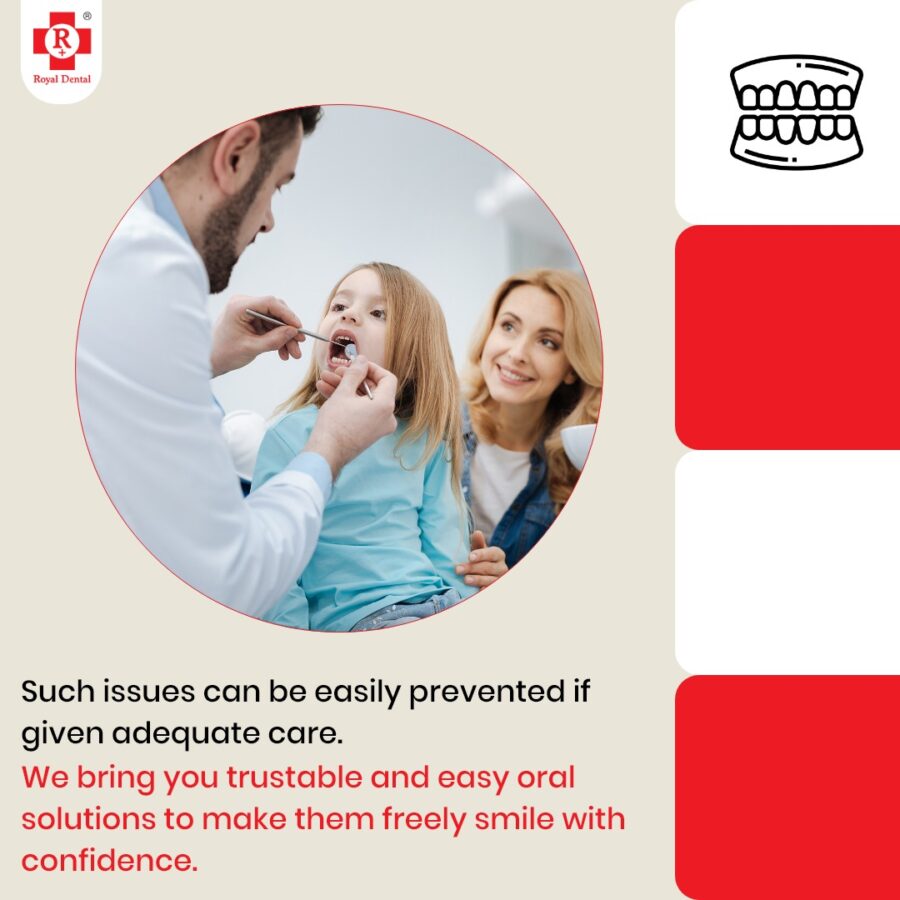
Before you leave on your trip, you might want to book an appointment at Royal Dental Clinics. This will ensure that you have a dental appointment lined up as soon as you get back from your trip. This will allow you to go in for a cleaning and check-up as soon as you get back, which can help you to catch any dental problems before they get out of hand. Additionally, if you are visiting another country, you will want to make sure that you have travel health insurance. This can be particularly helpful if you end up needing to see a dentist while abroad.
One final word of advice from Royal Dental Clinics would be that as you pack for your next trip, start thinking about your dental routines while travelling. Bringing along oral care necessities and putting a plan in place for on-the-go cleanings will help you maintain healthy teeth and a bright smile. Plus, you can indulge in the local cuisine without regret!
Conclusion
Maintaining good oral hygiene while travelling is simple when you plan ahead. Pack your dental essentials, brush twice a day with fluoride toothpaste, clean between your teeth, stay hydrated and be mindful of frequent sugary or acidic foods and drinks. If you have an existing dental problem or are travelling after treatment, speak with your dentist before your trip so you can travel with greater confidence and a clear plan for your oral health.
Frequently Asked Questions
How often should I brush my teeth while travelling?
Brush your teeth twice a day with fluoride toothpaste for about two minutes, including before bedtime.
Can I brush my teeth after every meal?
You do not need to make brushing after every meal the main recommendation. Maintain your twice-daily fluoride toothpaste routine and clean between your teeth daily. If brushing is not practical after eating, rinsing with water can be a useful temporary measure.
What should I carry in a travel dental kit?
A basic kit can include a toothbrush, fluoride toothpaste, dental floss or an interdental cleaner, and any dentist-recommended oral-care products.
Is mouthwash necessary while travelling?
Mouthwash is optional for many people and should not replace brushing or cleaning between the teeth. Certain mouthrinses may be recommended for specific dental needs, so follow your dentist’s advice.
Suggested Article –
- Pros and Cons of Full Mouth Dental Implants
- Difference between Crowns and Dental Implants?
- Who is the Best Dental Implant Specialist
Medical Disclaimer
This article is for patient education only. Dental treatment should be planned after clinical examination, medical history review, and X-rays or scans where required. Treatment suitability, cost, timeline, healing, and results vary from patient to patient.