
If you have never visited a dentist, you may wonder whether a dental checkup is really necessary when your teeth don’t hurt. The answer is that many dental problems can develop without obvious symptoms. A first dental visit gives the dentist an opportunity to examine your teeth and gums, identify potential problems early and explain how to maintain your oral health.
Believe it or not, dentists are known for their bedside manner. If you’ve ever had a dental emergency, you know that very well. You trust your dentist to take care of your teeth – and not just when they crack a filling or chip a tooth. We get it: The thought of a stranger prodding around in our mouths makes many people shudder. But why wait until you’re 35 to check in with your dentist? What could possibly go wrong? Are you afraid of needles? Are you worried about what will happen if your friends find out?
If so, fear not. At Royal Dental Mumbai, we understand that apprehensive patients can be reassured by our services. We have created this blog post to answer some common questions about visiting the dentist as an adult and explain why now is the perfect time to do so. If you haven’t been to the dentist for some time, you will probably have a significant amount of plaque on the surfaces of your teeth.
Who Is This Article For?
- People who have never visited a dentist
- Adults who have avoided dental care for years
- People who don’t have obvious dental pain
- Patients nervous about their first dental appointment
- People who want to understand what happens during a dental checkup
- Anyone wondering how often they should see a dentist
Why are you waiting until you’re 35 to see the dentist?
If you are already in your mid-30s, it’s understandable that you might be a little anxious about visiting the dentist — especially if it’s been a long time since your last dental visit. Even if you’ve had regular cleanings in the past, there’s always a chance that you may have to go back and have a more intensive cleaning as an adult. You also might need a bit of dental work done as an adult that you didn’t as a child: Orthodontics (braces), Invisalign, and oral surgery are all common procedures that many people have as adults.

You’re scared of the Dentist
If you’re terrified of the dentist, you’re not alone! Many people are intimidated by the dentist, but there are ways to get over that fear. At Royal Dental, we understand that many of our patients are apprehensive about dental visits. It can be scary to expose yourself to pain, discomfort, or embarrassment in a new environment. It’s easy to understand why someone would be apprehensive about visiting the dentist for teeth.
It’s important to remember that dentists are trained professionals who want you to feel comfortable while you’re in their care. To reduce your anxiety, let your dentist know how you’re feeling before your appointment. Some time they offer sedation options that can help you feel more at ease during your visit.
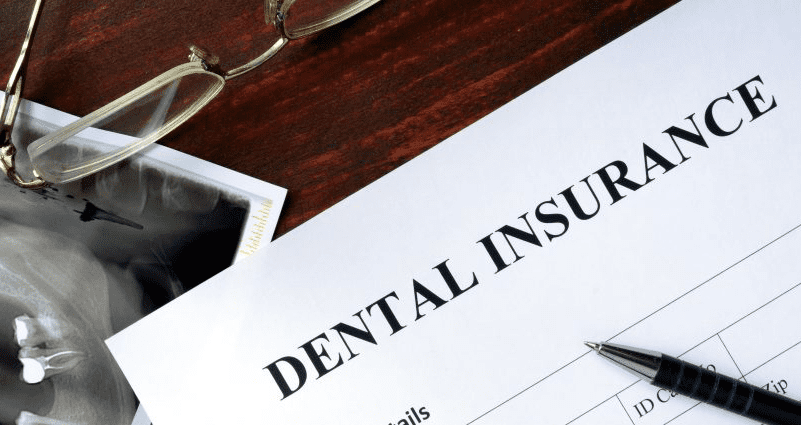
You don’t have dental insurance.
If you don’t have dental insurance and you’re worried about the cost of dental care, don’t worry! Most of time they offer a wide range of services and payment options to make sure you can afford the treatment you need. Most dentists offer affordable payment plans to make sure that you can afford the dental care you need now and in the future.
If you don’t have dental insurance and you’re worried about the cost, don’t wait to see the dentist. You don’t want to put off the treatment that you need. Waiting to see the dentist can lead to more severe issues that will cost even more to treat in the long run.
You’re not sure where to go.
Although you can’t always trust your gut, you can use these criteria to make an informed choice about which dentist is right for you. When you’re looking for a new dentist, don’t be afraid to ask for references and insurance acceptance information. You want to make sure that you pick that you can trust and that will be there for you when you need them most.
Conclusion
If you have never been to a dentist, you don’t need to wait until something hurts. A first dental examination can help you understand the current condition of your teeth and gums, identify potential problems and create a plan for maintaining your oral health. Even if treatment is needed, understanding your options first can make the process much easier.
Frequently Asked Questions
I’ve never been to a dentist. Is it too late to start?
No. You can schedule a dental examination at any age. The first appointment can establish your current oral health and identify what, if anything, needs attention.
What happens at your first dental visit?
The dentist generally reviews your history, examines your mouth and may recommend X-rays or other investigations when appropriate. They then discuss their findings and any recommended treatment.
Do I need to see a dentist if my teeth don’t hurt?
Yes, it can still be useful to have regular dental examinations because some oral health problems may not cause noticeable symptoms initially.
Will the dentist make me get treatment immediately?
Not necessarily. If treatment is recommended, you should have the opportunity to understand the diagnosis, options, benefits, risks and consequences of delaying care before deciding how to proceed.
How often should I visit the dentist?
There is no single schedule that is right for everyone. Your dentist can recommend a recall interval based on your individual oral-health needs and risk factors.