
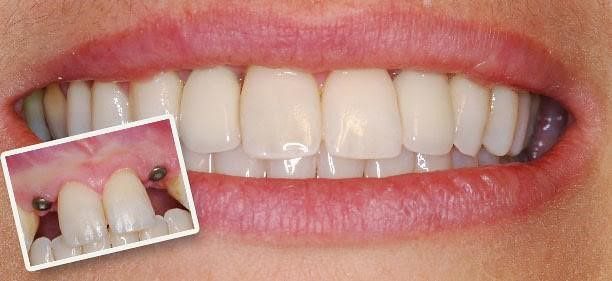
Dental implants can be very effective in replacing missing teeth, but they are not perfect. The success of your implants will depend on a number of factors, including where your original teeth were located and whether or not the bone density around your mouth is normal. With that being said, there are many different things you should know about dental screws. For example, how many teeth can be replaced with implants? If you continue reading, we’ll answer that question for you and much more.
Who is this Article For?
This article is for patients who have one or more missing teeth and want to know how many teeth can be replaced with dental implants. This blog helps patients understand that implants can replace one tooth or several teeth, but the right plan depends on jawbone condition, bone density, general health, gum health, and clinical evaluation before treatment.
What is a Dental Implant?
A dental implant is a device that is used to replace missing teeth. The implant can be placed in your jaw where it will fuse with the surrounding bone. Once the implant and bone bond, they form a strong connection that can support a false tooth or bridge. If you are missing one or more teeth and would like to replace them with dental implants, a dentist will help you decide which teeth will be best for implants. You may want to replace only one tooth or multiple teeth that are missing.
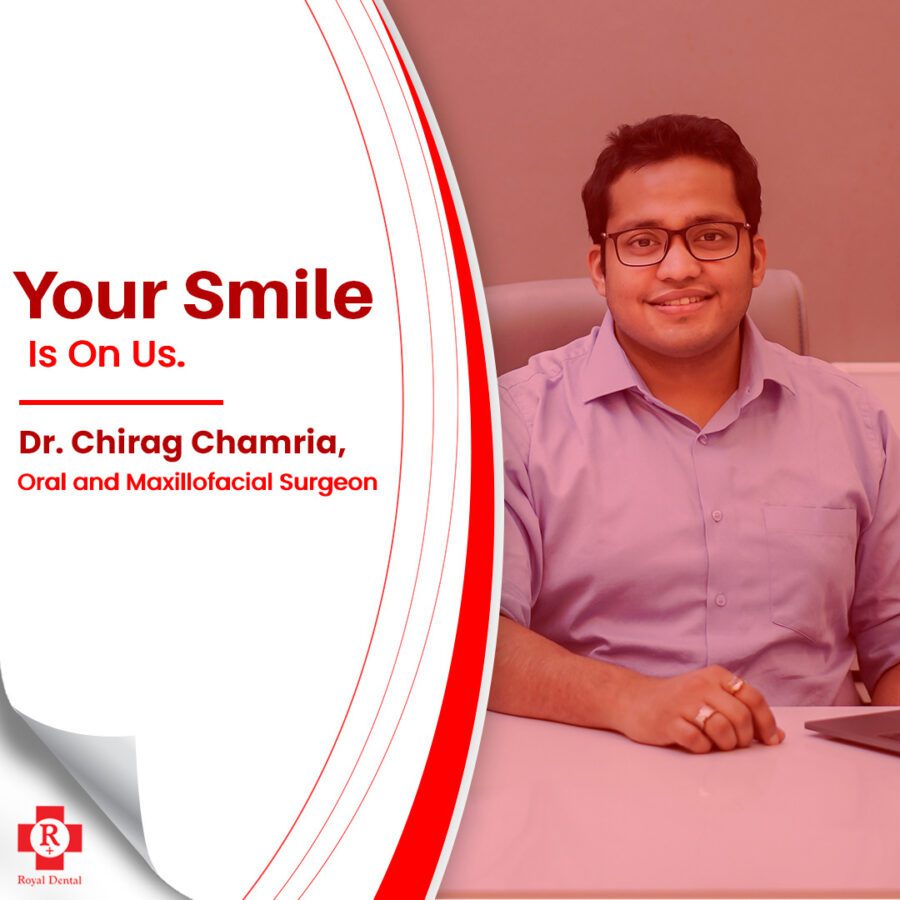
Dental implants are not suitable for everyone, and your dentist can let you know if you are a good candidate for this procedure. There are two main types of dental implants: The first type is placed in the gum tissue near the teeth and is often used when a tooth has broken off and there is enough bone to support a dental implant. The second type of implant is placed in the bone when teeth have been removed. For dental implants to work properly and last a long time, they must be put into healthy bone. This can be a challenge, especially for people with poor bone quality.
How many teeth can be replaced with implants?
This will depend on a few different factors – the foremost being where your original teeth were located. Regardless of this factor, you can expect to notice a difference in the amount of comfort you experience with dental implants versus natural teeth. This is because, when you were born, you were given teeth that were meant to last you a lifetime.
They’re naturally durable and perfectly suited for the task of chewing, biting, and speaking. Implants on the other hand, are artificial replacements that can cause you to feel uncomfortable. This is especially the case if you have all implants and do not use a retainer to guide your new teeth into place. That being said, you can expect to experience more comfort and a higher level of overall confidence with implants than you would with a denture. If you have dental implants, you can eat, drink, and speak as you normally would. Additionally, you can enjoy a higher level of self-esteem and confidence than you would with a denture.
Dental Implants: Teeth can be replaced
Your dentist will use special tools and methods to place the implants in any bone in your mouth. They can be used to replace one or more missing teeth. They can also be used to support dentures, bridges, and a removable partial denture. Implant-supported bridges and dentures are better than the traditional fixed bridge because they do not put pressure on the other teeth.
Do You Need One Implant for Every Missing Tooth?
No. A single missing tooth is commonly replaced using one implant and one crown. When several adjacent teeth are missing, two or more implants may support an implant bridge, meaning that every missing tooth does not necessarily require a separate implant. The number and position of implants depend on the length of the gap, available bone, bite forces and the design of the final teeth.
How Are Multiple Missing Teeth Replaced With Implants?
Several missing teeth may be replaced using an implant-supported bridge. For example, implants can be positioned at selected points beneath the bridge while artificial teeth replace the remaining spaces. This may avoid preparing healthy neighbouring teeth for a conventional tooth-supported bridge. The final plan should provide adequate implant distribution and support rather than simply using the fewest possible implants.
Can All Upper or Lower Teeth Be Replaced With Implants?
Yes, several implants may support a fixed full-arch bridge or a removable implant-supported denture when most or all teeth are missing. One implant is not normally required for every tooth. The number of implants varies according to the upper or lower jaw, bone availability, implant position, bite, prosthetic material and whether the final teeth will be fixed or removable.
What Decides the Number of Implants Required?
The required number of implants is decided after examining the jawbone, gums, remaining teeth and bite. A CBCT scan may be advised to assess bone height, width and important anatomical structures. The clinician must also consider the length of the planned bridge, chewing forces, cleaning access and whether the implants are distributed adequately across the jaw. Full-arch implant treatment should therefore be individually planned rather than offered as the same fixed number for every patient.
Conclusion
With that being said, there are many different things you should know about dental implants. For example, how many teeth can be replaced with dental implants? If you continue reading, we’ll answer that question for you and much more. It is important to note that a dental implant is not the right solution for everyone. You will have to consider the condition of your jawbone, as well as your general health in order to decide whether or not dental implants are right for you. With that being said, dental implants can be very effective in replacing missing teeth. They can also be used to support a denture, bridge, or a removable partial denture.
FAQs
1. How many teeth can be replaced with dental implants?
Dental implants can be used to replace one tooth, multiple teeth, or even a full arch of missing teeth. The number of implants needed depends on the patient’s bone support, gum health, bite condition, and treatment plan.
2. Do I need one implant for every missing tooth?
Not always. In some cases, one implant may replace one missing tooth, while in other cases, fewer implants can support a bridge or full-mouth fixed teeth. Your dentist will decide this after checking your jawbone and oral condition.
3. Can all teeth be replaced with implants?
Yes, full-mouth implant treatment may be possible for patients who have lost most or all of their teeth. The treatment plan may include implant-supported bridges or fixed full-mouth teeth depending on the patient’s bone, health, and bite.
4. What affects the number of implants needed?
The number of implants depends on how many teeth are missing, jawbone density, gum condition, bite force, medical history, implant position, and the type of final teeth planned. A dental scan helps decide the safest option.
5. Are implants better than dentures for multiple missing teeth?
Dental implants can provide better stability and chewing support for many patients compared to removable dentures. However, the right choice depends on oral health, bone support, budget, comfort, and treatment expectations.
6. How do I know the right implant option for me?
The right implant option can only be decided after a dental consultation, examination, and required scans. At Royal Dental Clinics, the dentist evaluates your missing teeth, jawbone, gums, bite, and overall health before planning implant treatment.