Natural teeth are the teeth that develop naturally in the mouth and are supported by the surrounding gums, periodontal ligament and jawbone. They include primary (baby) teeth and permanent teeth. Each tooth has several structures, including enamel, dentin, pulp and cementum, which work together to support chewing, speech and oral function. Understanding the structure and function of natural teeth can help you make better decisions about daily dental care and treatment when a tooth becomes damaged or diseased.
Natural teeth are the strongest part of the human body, way stronger than the bones. They have to be this way since teeth have to be able to withstand tremendous pressure and bite forces associated with chewing and eating. The protective outermost layer of teeth, the enamel, is the strongest part. Artificial ones can be done if you have missing natural teeth.
Who Is This Article For?
- People searching for the meaning of natural teeth
- Patients who want to understand natural tooth structure
- Parents learning about primary and permanent teeth
- People interested in how natural teeth function
- Patients comparing natural teeth with artificial teeth
- People wanting to protect their natural teeth
- Patients considering treatment to save a damaged tooth
Natural Teeth feel and taste real
Natural teeth are made from real human teeth that were donated after being removed from the mouths of deceased people. This means that they feel and taste just like regular teeth do. Of course, this is even more important when it comes to your smile.
Natural teeth are the only type of tooth that still allows you to smile normally and not worry about your smile looking fake or off-putting. It is essential when it comes to feeling confident and comfortable in social situations. Artificial teeth can sometimes cause a “metallic” taste in your mouth, which not only makes your teeth look fake but also taste funny.
Natural teeth are easy to maintain
This is one of the most important reasons why natural teeth are superior to fake ones. These teeth require very little maintenance and are very easy to look after. If you want to keep healthy teeth for a long time, the best option is to keep them natural and never get fake ones. While it’s true that you’ll have to visit the dentist a few times a year for a check-up, it’s a very small price to pay for healthy teeth that last a lifetime.
The only real maintenance you need to do is brushing your teeth regularly and visiting the dentist once in a while. It’s important to brush your teeth twice a day and floss at least once a week since this is how you’ll remove most of the plaque and bacteria from your mouth. Your dentist will tell you exactly how often you need to brush and floss. Regular visits to the dentist are important since they let you know if the state of your teeth is normal or not.
Natural teeth look normal
It looks completely normal, which is a huge advantage when compared to fake ones. Fake teeth can look unnatural and, in some cases, even scary. If you get fake teeth and people find out, they’ll look at you in a different way. Everyone will know you have fake teeth just by looking at you. Fake teeth can even change the way other people look at you. For example, when you smile with fake teeth, your smile can look uneven or off-putting since the teeth are not normal. When you have natural teeth, however, your smile is completely normal and even looks a little bit better.
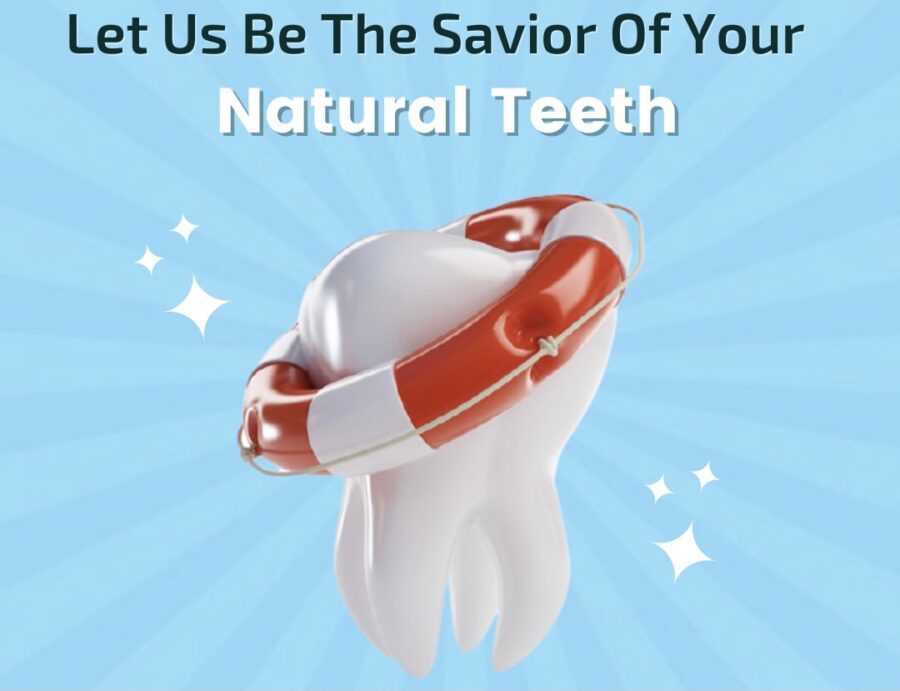
Which teeth are strong and durable?
Natural teeth are incredibly strong. They can withstand chewing food, grinding, biting, and even the periodic use of high-intensity chemicals like those used by dentists. This is because natural teeth are not made from synthetic material but from living tissue. This means that they are able to withstand almost anything and don’t break easily.
In fact, it’s very difficult to destroy natural teeth unless you’re pulling them out of your head! If you get fake teeth, though, you might have to replace them every few years. This is because synthetic materials like porcelain and acrylic don’t last as long as natural teeth and break much more easily.
Real teeth are the strongest part of the human body, and they can withstand tremendous bite pressures and forces. Materials false teeth are made from like ceramics and porcelain cannot compare to the durability of natural teeth that can last a lifetime when properly maintained.
They are important for Overall Health
This might come as a surprise, but having natural teeth is very important for your health and well-being. Let’s take a look at some of the ways in which natural teeth affect your well-being:
- Natural teeth are a natural barrier against bacteria and germs. They contain salivary glands that produce saliva, an important substance that cleans your mouth and removes harmful bacteria. Teeth are a natural barrier against harmful bacteria.
- Teeth are also an important part of the immune system. Whenever they’re infected, they send chemicals to the rest of your body, warning them of any danger. This is why having strong and healthy teeth is important for your entire body.
- Fake teeth don’t have the same effect on your body and are not able to produce this important substance. This means that you’re more prone to bacterial infections and other oral health problems.
How to Care for Natural Teeth
Caring for natural teeth is not difficult at all. You just need to make sure you brush them twice a day and floss once a week. Brushing your teeth removes most of the plaque from your teeth and is important for keeping your gums healthy. It’s best to use an electric toothbrush since they clean your teeth better than regular brushes. Flossing is important since it removes bacteria and plaque from between your teeth and where toothbrushes cannot reach.

You should visit your dentist once every six months for a check-up. During this visit, your dentist will clean your teeth, let you know if they are normal or not, and give you advice on how to take care of your teeth better. Your dentist will also let you know when you need to start getting dental implants.
Conclusion
Natural teeth are the best option for keeping your mouth healthy and preventing common oral health problems. They are easy to take care of and easy to maintain. They are also strong and durable and an important part of your overall health. Natural teeth are the standard type of tooth that most people have and are not any sort of specialty version. They are made from real human teeth that were donated after being removed from deceased people. Natural teeth also go by other names, including primary or adult teeth.
Frequently Asked Questions
What are natural teeth?
Natural teeth are biological structures that develop naturally in the mouth. They include primary teeth and permanent teeth and consist of structures such as enamel, dentin, pulp and cementum.
What are the parts of a natural tooth?
The major structures include enamel, dentin, pulp and cementum. Teeth are also supported by the periodontal ligament, gums and surrounding jawbone.
Are natural teeth stronger than artificial teeth?
Natural teeth have highly mineralized tissues, particularly enamel, but different dental restorations are designed for different purposes and have different material properties. It is better to avoid making a blanket statement that natural teeth are always stronger than every type of artificial restoration.
Can a natural tooth be saved instead of extracted?
Sometimes. Depending on the amount of remaining tooth structure, infection, cracks, gum and bone support and overall prognosis, treatments such as fillings, root canal treatment or protective restorations may help preserve the tooth.
How can I keep my natural teeth healthy?
Brush twice a day with fluoride toothpaste, clean between your teeth daily, limit frequent sugary foods and drinks, avoid tobacco, and attend dental examinations as recommended by your dentist.