We look forward to welcoming you to Royal Dental Clinics. In this educational article, we will cover the subject of dental implants in Chronic Disease and the issues that individuals with chronic pain or autoimmune conditions need to bear in mind prior to undertaking the procedure. Those individuals who have lost their teeth, and wish to restore their smile and oral ability, are most suited for dental implants, which are an excellent treatment method. If you suffer from an autoimmune disease or chronic pain, however, there are certain things that you need to consider before making the informed choice of having the implants done. Join us as we talk to expert dentist Dr. Chirag Chamria about this significant issue and find out what he has to say on this significant matter.
Understanding Implants and Chronic Disease
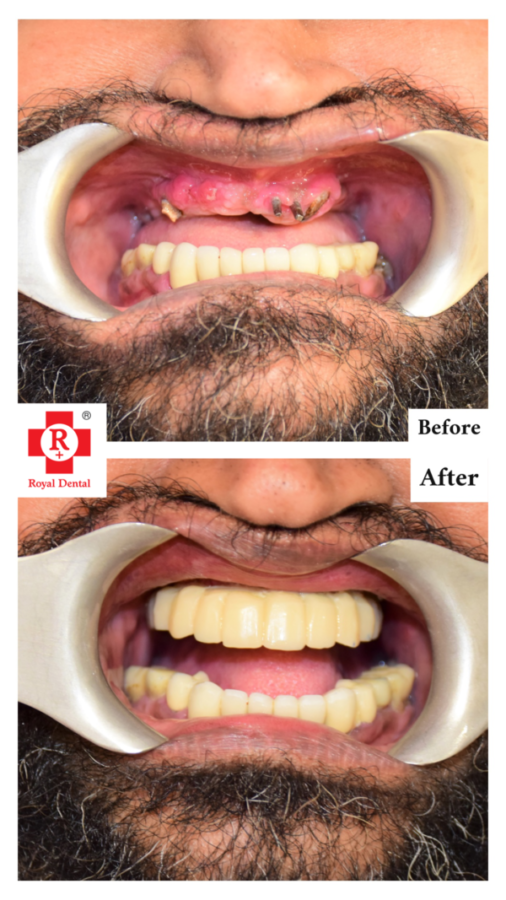
The tooth transplant is inserted to the roots of artificial teeth in the jaw. They provide a solid base for replacement teeth, designed to be similar to your natural teeth. Unlike dentures or bridges, dental implants are a certain way to deal with missing teeth that appear and feel like natural teeth.
If you have a chronic disease, you may be concerned about the protection and efficacy of dental implants. It is important to note that dental transplants are safe in patients with chronic diseases, but it is important to see a dental transplant specialist, who has an experience of having dental transplants on patients with special conditions.
Benefits of Teeth Implant
Improved oral function: They give stability and support, making people capable of cutting, chewing and speaking effectively. This can be particularly beneficial for individuals with chronic diseases, who may already have problems with oral function.
Enhanced nutrition: Chronic diseases often result in dietary boundaries or challenges in eating special foods. A wide range of dental transplant foods will be able to restore food ability, including more chewing and cutting pressure.
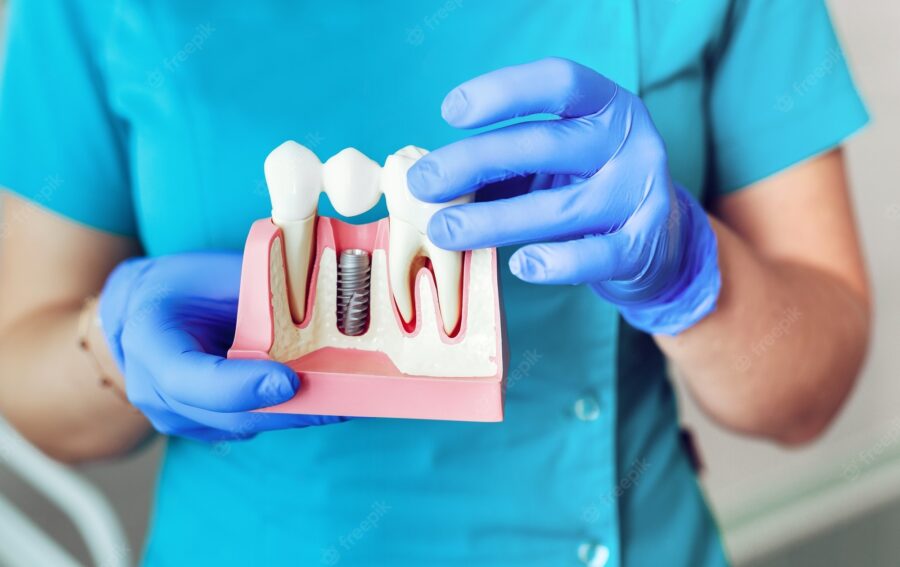

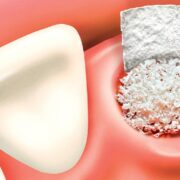
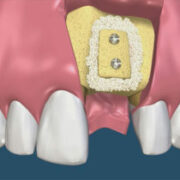
Preservation of jawbone integrity: Bone loss in the jaw may occur as a result of chronic diseases or some drugs used for their treatment. Dental transplants stimulate the jaw so that it does not impure and will maintain its strength and density.
Improved self-esteem and confidence: Chronic disease can reduce a person’s self-esteem and overall condition. A tooth implant provides a natural, permissible solution for teeth damage, which can improve a person’s smile and also restore his confidence.
Long-lasting and durable solution: Dental transplantation is a permanent way to address teeth loss. Provided that they get good care and regular dental trips, they can serve for decades, there are a suitable and strong option for those who have ongoing diseases.
Risks and Considerations for Chronic pain
Although dental transplants can be very beneficial, it is risk and things to consider when it comes to dental transplant, especially for people with chronic diseases. It is necessary to consult both your dentist and your doctor to create an alternative. Some risks and ideas are as follows:
Healing and infection risks for chronic disease
Patients who have chronic diseases may potentially have a impaired immune system, which in turn affects the healing process post-dental implant surgery. Delayed treatment or infection may be a factor. Your healthcare provider and dentist will have to assess your personal health status and consider the risk factors involved in transplant surgery.
Medications for Chronic pain
If you are on medications for your chronic disorder, you should inform your dentist about them. Certain drugs can influence the dental transplant procedure or make the procedure complicated. Your dentists and healthcare providers can coordinate to determine what you need to do and what can be modified for your medications.

Systemic health complications
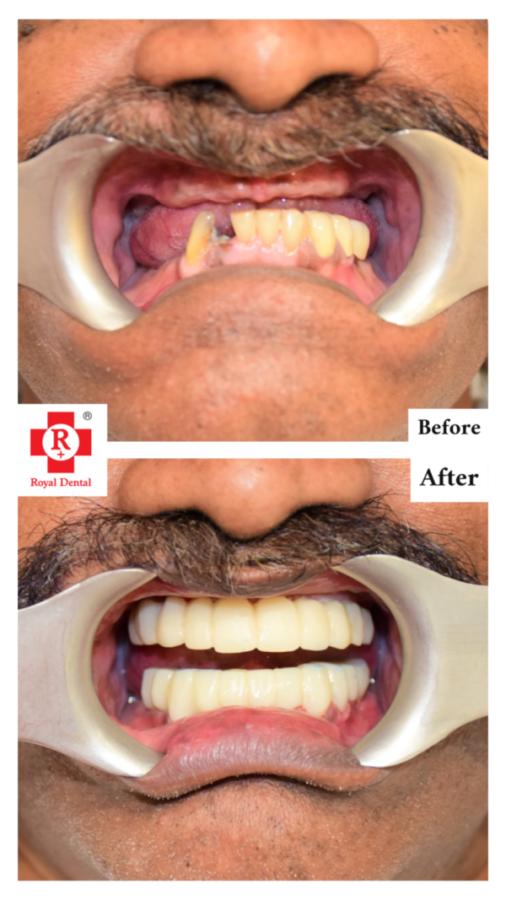
Certain chronic illnesses, including diabetes or autoimmune disease, may interfere with the healing process and make the dental transplant a more challenging process. It is essential to have a full understanding of your overall health status and its impact on the success of dental transplantation.
Maintenance and oral hygiene
Adequate oral hygiene is essential for the long -term success of dental implants. Patients with chronic illnesses may be faced with the problem of having good oral hygiene because of physical blockage or medication side effects. These problems need to be discussed with your dentist and an oral hygiene plan that suits your special needs.
Pre-Implant Evaluation and History of Chronic Disease
Prior to dental transplant surgery, the patient’s past medical history must be thoroughly assessed, particularly for patients with autoimmune diseases or chronic pain. Detail counseling regarding their condition, medications and present treatments with the patient allows the dental team to make informed decisions. Dr. Chamria reiterated that full disclosure of all pertinent medical information is required to give the patient’s protection and prevent potential complications.
Tips: Successful Dental Implant Procedure and Recovery
Frequently Asked Questions
Q. Is it safe to get dental implants with a chronic pain?
A. Dental implants are generally safe for people with chronic diseases, but it is important to work with a dental transplant specialist, who has experience working with patients with your specific condition.
Q. How long does it take to recover from dental implant surgery?
A. The recovery time may vary depending on the person and their specific position. However, most people may return to normal activities within a week after surgery.
Q. Can I eat normally after getting dental implants?
A. Yes, once your transplants are cured, you can start a regular diet again. You need to clarify hard, crisp or sticky foods that can damage transplant or dislike it.
Conclusion:
Even for those who have chronic pain conditions or suffering from autoimmune diseases, dental implants can be an option to fill the missing teeth due to their success. In any case, a close work relationship between patients and their dental team and other health professionals helps ensure that they get a comprehensive treatment plan in view of the circumstances. Patients can take informed decisions, get successful results, and keep their overall health and good first when they at the Royal Dental Clinic. consider the factors noted by Dr. Chirag Chamria. Remember that staying healthy in your mouth is a team’s effort, and we are here to help you
Suggested Article:
Medical Disclaimer
This article is for patient education only. Dental treatment should be planned after clinical examination, medical history review, and X-rays or scans where required. Treatment suitability, cost, timeline, healing, and results vary from patient to patient.