
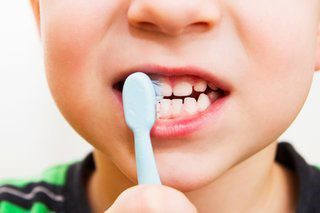
Child’s First Visit to the Dentist is crucial. Your child’s first dental visit is an important step toward building a healthy and confident relationship with dental care. The first appointment is usually short, gentle and focused on helping the child become comfortable with the dentist. It also gives parents personalised guidance on brushing, feeding, teething and preventing early childhood cavities.
How to find a Good Dentist for Child?
One of the first things you need to do when it comes to taking your child to the dentist is to find the right dentist for kids. Sure, you could just pick a random dentist from the phone book but it’s important to do your research when it comes to finding the right dentist for your child. There are a few things you should look out for when finding a dentist for your kid.
Does the Dentist have experience working with Child?
One of the most important things you should look for is whether or not the dentist has experience working with kids. Kids are different from adults, and a dentist who doesn’t specialise in working with kids probably won’t know how to approach them. Many children are reviewed approximately every six months, but the interval should be personalised according to cavity risk, oral development and preventive needs. Children at higher risk may need more frequent monitoring.

Begin brushing as soon as the first tooth erupts. Use a soft, age-appropriate toothbrush and a small smear—approximately a grain-of-rice amount—of fluoride toothpaste for children under three years. Children aged three to six generally need a pea-sized amount and adult supervision.
How friendly is the Dental Clinic environment?
Another important thing to look for is the office environment. As we said, going to the dentist isn’t exactly a fun experience for most kids. So to make the experience as pleasant as possible, look for a dentist who makes their office kid-friendly.
What Happens During a Child’s First Dental Visit?
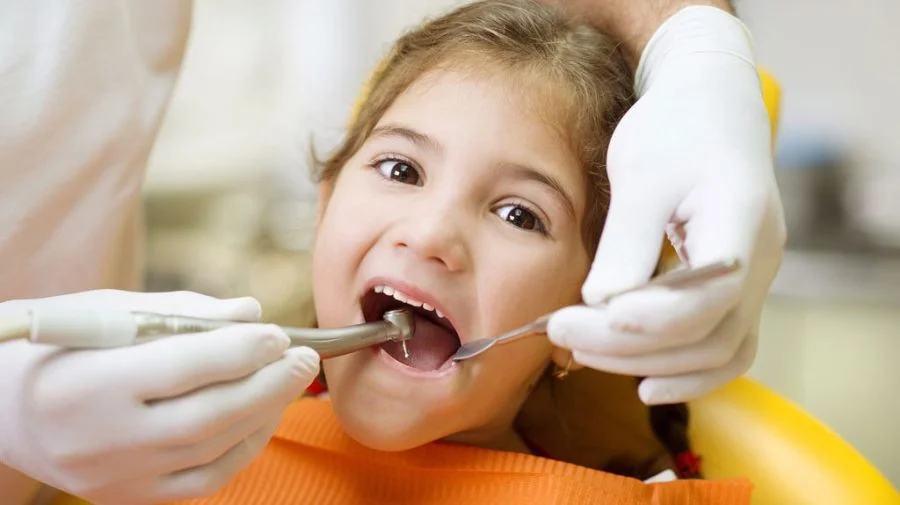
The first appointment is usually short and focused on examination, prevention and familiarisation. Depending on the child’s age and comfort, the dentist may examine the child while they sit on a parent’s lap. The visit may include:
- Planning the timing of the next visit
- Examining the teeth, gums, jaws and bite
- Checking tooth eruption and oral development
- Assessing the child’s risk of cavities
- Looking for enamel defects or early decay
- Discussing brushing and fluoride toothpaste
- Reviewing feeding, bottle and snacking habits
3 Important Reasons for your Child’s First Visit to the Dentist
Early detection of dental problems
The dentist can check for early decay, enamel defects, gum problems, abnormal tooth eruption and developmental concerns.
Prevention of early childhood cavities
Parents receive advice about brushing, fluoride toothpaste, feeding patterns, bottles, snacks and sugary drinks.
Creating a positive dental experience
Early, comfortable visits help children become familiar with the clinic before they require treatment.
Establishing a dental home
A regular dental clinic provides continuity of care if the child later develops pain, suffers a dental injury or needs preventive treatment.
When should your Child make first Visit to the Dentist?
Your child should have their first dental visit when the first tooth appears or by 12 months of age, whichever happens first. An early visit allows the dentist to identify developing problems, assess cavity risk and guide parents before unhealthy habits become established. Do not wait until the child experiences pain, swelling or a visible cavity. A preventive first appointment is usually simpler and more comfortable than an emergency visit.
Will My Child Need an X-Ray?
Dental X-rays are not automatically required at a child’s first visit. The dentist recommends them only when the examination, symptoms, dental history or cavity risk indicates that they are needed. The decision is based on the individual child rather than age alone.
Important Things to Know for Your Kid’s First Dental Visit
Visiting the dentist for the first time can be a nerve-wracking experience for both you and your child. If your child has never visited the dentist before, there are a few things you should know for their first dental visit. Here are a few things to keep in mind for your child’s first dental visit:
Bring a Favourite Toy or Blanket – One of the best ways to help your child relax for their first dental visit is to bring a favourite toy or blanket. This will help your child feel more relaxed and comfortable, which can make the entire experience much easier.
Bring Your Child’s Medical History – Share your child’s medical history, current medicines, allergies, previous hospitalisation, developmental concerns and any special healthcare needs. Also tell the dentist about feeding habits, thumb sucking, pacifier use, teething concerns and previous dental injuries.
Pick a Dentist Who Specialises in Children – One important thing to keep in mind is to pick a dentist who specialises in treating children. Most dentists have experience working with adults, so it’s important to find a dentist who specialises in working with kids.
Let Your Child Choose Their Toothbrush – One thing you should keep in mind is to let your child choose their toothbrush. This will help your child feel more involved in the process, which can make the entire experience easier.
How Should Parents Prepare Their Child?
- Schedule the appointment when the child is usually rested.
- Use positive words such as “check,” “count” and “clean.”
- Avoid words such as “pain,” “needle,” “drill” or “injection.”
- Do not share your own dental fears.
- Read a positive story about visiting the dentist.
- Bring a favourite toy or comfort object.
- Keep explanations short and age appropriate.
- Avoid promising that “nothing will happen.”
- Let the dental team explain procedures in child-friendly language.


What Should Parents Bring?
- Medical and dental history
- Current medication details
- Allergy information
- Previous dental records or X-rays, if any
- Information about feeding and brushing habits
- A list of parental concerns
- The child’s favourite toy or comfort blanket
Bottom Line
One of the most important things you should look for is whether or not the dentist has experience working with kids. Kids are different from adults, and a dentist who doesn’t specialise in working with kids probably won’t know how to approach them. Many children are reviewed approximately every six months, but the interval should be personalised according to cavity risk, oral development and preventive needs. Children at higher risk may need more frequent monitoring.
FAQs
Should a baby visit the dentist with only one tooth?
Yes. The first visit helps assess the new tooth, feeding habits, brushing technique and future cavity risk.
Is one year too early for a dental visit?
No. The first birthday is the recommended latest age for the initial preventive visit, even if the child has only a few teeth.
What if my child cries during the appointment?
Crying can be a normal response in infants and toddlers. An experienced dental team will keep the examination brief, gentle and appropriate for the child’s age.
Will the dentist clean my baby’s teeth?
A full professional cleaning may not always be required. The dentist will decide according to the child’s age, plaque levels, cooperation and oral condition.
Do milk teeth really need dental care?
Yes. Milk teeth support chewing, speech, nutrition, jaw development and space for permanent teeth. Untreated decay can cause pain, infection and difficulty eating.
Should children use fluoride toothpaste?
Yes, unless the treating dentist advises otherwise. Use an age-appropriate amount and supervise brushing to reduce swallowing.
Can parents stay with the child?
For babies and toddlers, a parent or caregiver usually remains present and may hold the child during the examination. The approach can vary with age and behaviour.