Will glycerin cause tooth decay? This is a common question for people who pay close attention to the ingredients in their toothpaste and oral care products. Everyone knows that sugary drinks and snacks are bad for your teeth. But what about other sweet substances, such as honey or maple syrup? Are these also harmful to your teeth or oral hygiene? It turns out that, in the case of honey and maple syrup, it isn’t the sweetness itself that is the problem. Instead, it’s the high concentration of fructose (a type of sugar) that can contribute to tooth decay. Glycerin, however, is a different ingredient altogether. In this article, we’ll explore whether glycerin cause tooth decay.
Who Is This Article For?
- People researching toothpaste ingredients
- Individuals concerned about tooth decay
- Patients looking for evidence-based oral health information
- Anyone interested in maintaining healthy teeth
What is Glycerin?
Glycerin is a type of sugar alcohol commonly used as a food additive. Glycerin is a colorless, odorless liquid that has a sweet taste. It comes from fat, often animal fat, and is extracted from food products such as soybeans, palm, and coconut. It is also used in many cosmetic products including shampoos, lotions, and moisturizers. Glycerin is also a common sweetener in foods, especially in baked goods and candies.
Glycerin is often used as a substitute for sugar or honey in recipes. Like other sugars, glycerin is a source of both energy and sweetness. It is often used in combination with other ingredients, or sometimes by itself. It is less sweet than sugar, but has a softer texture. Glycerin is also used in many medications. It is often added to syrups, tablets, and capsules to improve their smoothness and flow.
Does glycerin cause tooth decay?
Glycerin, a common sweetener found in many foods and medicines, may cause tooth decay. This is especially true when it is in an easily dissolved form, such as liquid or syrup. The sugar content in glycerin can promote tooth decay if it is left on the teeth for long periods of time. In general, anything that stays on your teeth for a long time could cause tooth decay, including chewing gum and smoking.
To prevent tooth decay, it’s important to remove food particles from your teeth as soon as you finish eating. The best way to prevent tooth decay is to practice good oral hygiene. This includes brushing your teeth twice a day, flossing once a day, and visiting your dentist for regular checkups.
How does Glycerin affect your teeth?
In general, glycerin can affect your teeth in two ways: Glycerin can disrupt the pH levels in your mouth, allowing harmful bacteria to grow. This can lead to cavities, gingivitis, and other oral health issues. Like other sugary foods, glycerin can increase your risk of tooth decay. This is especially true if it’s in a liquid or easily dissolved form, like syrup. Tooth decay occurs when harmful bacteria in your mouth produce acids as a byproduct. These acids break down the minerals in your teeth, which leads to cavities. Tooth decay is a serious problem that can cause pain and lead to tooth loss.

Does Glycerin Cause Bad Breath?
Yes, it does. The same harmful bacteria that can lead to tooth decay can also cause bad breath. Glycerin feeds these bacteria, allowing them to thrive and produce more acids.
These acids are what cause bad breath. Glycerin can cause bad breath for two reasons: It leaves more acids in the mouth – The same acids responsible for tooth decay can also cause bad breath.
The more of these acids there are in your mouth, the more likely you are to have bad breath. It disrupts oral hygiene. This can lead to more harmful bacteria in the mouth, along with a decrease in oral hygiene.
It is a sweet-tasting liquid on its own but is not metabolized by cavity-causing bacteria in the mouth. So, is it safe? Well, studies have shown that Vegetable Glycerin causes a massive increase in adhesion of harmful microbes to tooth enamel.
Is there a solution for the problem
The best way to prevent tooth decay and bad breath from glycerin is to avoid it in the first place. To prevent tooth decay, avoid leaving glycerin on your teeth for long periods of time.
This is especially important if you have braces or other dental work. Glycerin can get stuck in the tiny grooves in your teeth. The longer it stays there, the more harmful it is.
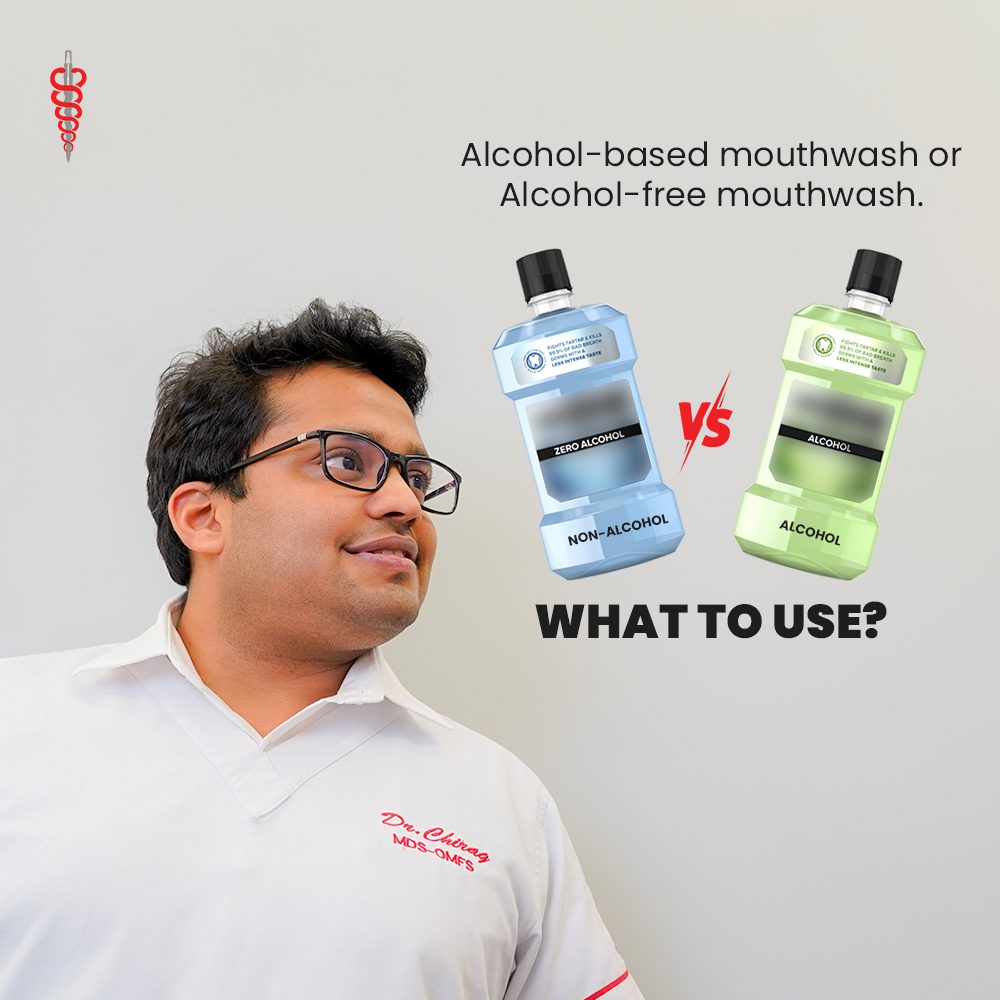
To prevent bad breath, practice good oral hygiene. Brushing your teeth twice a day and flossing once a day will help remove harmful bacteria from your teeth. You may also want to try using mouthwash.
How to prevent tooth decay from glycerin?
As we’ve discussed above, the best way to prevent tooth decay from glycerin is to avoid leaving it on your teeth for long periods of time. One way to do this is to brush your teeth as soon as you finish eating, making sure to clean the food particles off your teeth. Another way is to chew sugar-free gum, which can help keep your teeth clean.
You may also want to consider using a dental sealant. This is a thin layer of resin that is applied to the chewing surfaces of your teeth. Dental sealants can help prevent tooth decay when eating sticky and sugary foods, like caramel apples or toffee.
Bottom line
Glycerin is a common sweetener that can disrupt oral hygiene and lead to tooth decay. The best way to prevent tooth decay and bad breath from glycerin is to avoid leaving it on your teeth for long periods of time. One way to do this is to brush your teeth as soon as you finish eating, making sure to clean the food particles off your teeth. Another way is to chew sugar-free gum, which can help keep your teeth clean. You may also want to consider using a dental sealant to help prevent tooth decay when eating sticky and sugary foods.
Whether you’re concerned about tooth decay, choosing the right toothpaste, or looking for preventive dental care, our experienced dental team is here to help with honest, evidence-based guidance.
Book your consultation today and receive a personalized oral health assessment and treatment roadmap to keep your smile healthy for years to come.
FAQs
Will glycerin cause tooth decay?
No. Current scientific evidence does not show that glycerin causes tooth decay. Cavities are mainly caused by plaque bacteria, poor oral hygiene, and sugary foods.
Why is glycerin added to toothpaste?
Glycerin helps keep toothpaste smooth, moist, and easy to spread while improving its texture and shelf life.
Is glycerin safe for teeth?
Yes. Glycerin is commonly used in oral care products and is generally considered safe when used as intended.
What actually causes tooth decay?
Tooth decay is caused by plaque bacteria that produce acids after feeding on sugars, gradually damaging the tooth enamel.
How can I reduce my risk of cavities?
Brush twice daily with fluoride toothpaste, floss regularly, limit sugary foods and drinks, and visit your dentist for routine check-ups.
© All rights reserved by Royal Dental Implants Pvt Ltd
Issued in public interest