Knowing your dentist is the first step to a healthy smile. While it might not be the most glamorous of jobs, dentists are essential to our well-being. If you’re not sure whether or not you have a dentist, let us explain why that’s a very good thing! From general checkups to orthodontics, dentists play an important role in our oral health and self-esteem. We know that not everyone has a dentist they trust, but if you don’t, here are five reasons why you should make time for dental checkup!
What Does a Dentist Do is a common question for patients who want to understand the role of a dentist in maintaining teeth, gums, smile, and overall oral health. A dentist helps with dental check-ups, early diagnosis, cavity treatment, gum care, preventive guidance, cosmetic dentistry, missing teeth replacement, and dental emergency care.
Who is this Article For?
This article is for patients who want to understand what a dentist does and why regular dental visits are important for maintaining oral health.
This blog helps patients understand that a dentist does more than treat pain; a dentist can detect problems early, prevent oral disease, improve smile appearance, manage dental emergencies, and guide patients with long-term oral care.
Dental checkups with Dentist detect problems early
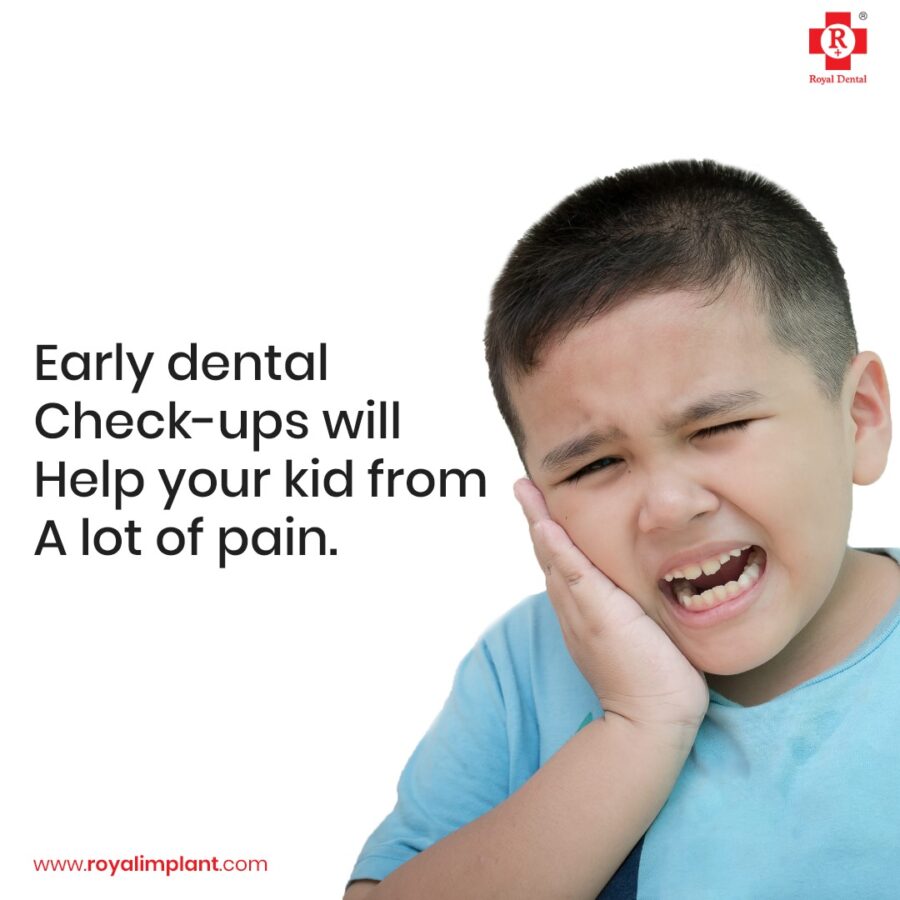
A dental exam is your first step toward preventing oral health problems. Dental checkups aren’t just for people with dental issues; they’re for everyone who wants to prevent dental issues from developing in the future. Early detection is the key to all good dental treatments, and dental checkups are your chance to catch any problem areas before they become serious problems. Most dental issues don’t occur overnight; they develop slowly over time, so early detection and prevention is the best way to treat them.
Dental care can prevent oral disease
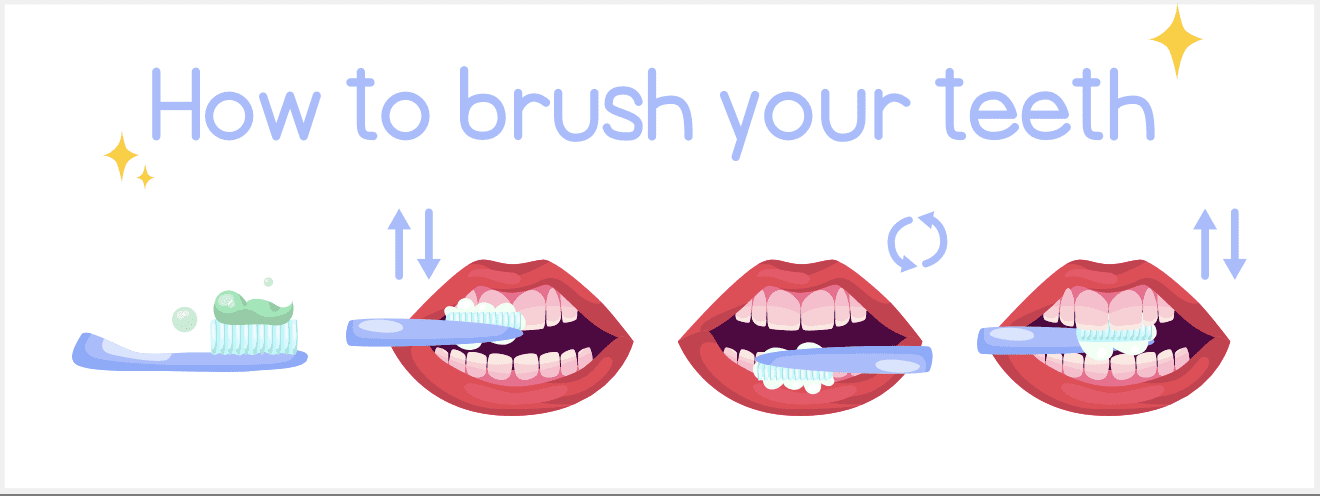
Regular dental visits can reduce your risk of developing gum disease, cavities, and other oral diseases. Dentists can also help detect oral diseases like oral cancer early, when it’s easier to treat. There are many ways to prevent oral disease. Dentists recommend daily brushing with fluoride toothpaste and flossing daily. You should also avoid things that can harm your oral health, like smoking, consuming too much sugar, and biting your nails. Dentists can help you protect your oral health by installing dental sealants and giving you advice about the foods you eat. If you’re at a high risk for oral disease, you may even need to use special tools, like interdental brushes or floss threaders, to reduce your risk further.
Dental procedures can improve appearance
Dental procedures can improve many oral health problems, but they can also improve your appearance. If you have gaps in your teeth after tooth loss, procedures such as dental implants or Invisalign can close those gaps. If you have discoloration in your teeth, dental procedures can brighten your smile. If your teeth are crooked, dental procedures can correct their alignment. If you’re missing teeth, dental procedures can help you regain your confidence by replacing missing teeth with dental implants and dental bridges.
Dental emergencies should be treated immediately by Dentist
Some dental emergencies can be treated at home, but many can’t. It’s important to know the difference between the two so you can get the right treatment as soon as possible. On the one hand, dental pain, swelling, and redness in your gums can be signs of an infection. If you notice these symptoms, go to your dentist as soon as possible. If you lose a tooth and you can’t replace it with a dental implant or a dental bridge, you should go see your dentist as soon as possible. If you break your tooth or if your tooth is knocked out, you should go see your dentist as soon as possible.
Conclusion
A dentist plays an important role in protecting teeth, gums, smile, and overall oral health. Regular dental check-ups can help detect cavities, gum disease, oral infections, bite problems, missing teeth concerns, and other dental issues before they become more serious.
Whether a patient needs preventive care, cosmetic dentistry, dental implants, emergency treatment, or oral hygiene guidance, visiting a dentist at the right time can help maintain a healthier and more confident smile.
FAQs
1. What does a dentist do?
A dentist checks, diagnoses, treats, and helps prevent problems related to the teeth, gums, mouth, and oral health. Dentists may provide check-ups, cleanings, fillings, root canals, crowns, bridges, implants, cosmetic treatments, and emergency dental care.
2. Why are regular dental check-ups important?
Regular dental check-ups help detect dental problems early before they become painful or serious. A dentist can identify cavities, gum disease, plaque build-up, oral infections, tooth wear, bite issues, and signs that may need further evaluation.
3. Can a dentist help prevent oral disease?
Yes, a dentist can help prevent oral disease by guiding patients about brushing, flossing, fluoride toothpaste, diet, oral hygiene tools, professional cleaning, and regular follow-up visits. Preventive care can reduce the risk of cavities, gum disease, and bad breath.
4. Can a dentist improve my smile appearance?
Yes, dentists can help improve smile appearance through treatments such as teeth whitening, veneers, bonding, crowns, bridges, aligners, dental implants, and cosmetic smile correction. The right option depends on the patient’s teeth, gums, bite, and smile goals.
5. When should I visit a dentist immediately?
You should visit a dentist immediately if you have severe tooth pain, swelling, bleeding gums, broken tooth, knocked-out tooth, pus, facial swelling, loose tooth, or difficulty chewing. Dental emergencies should not be delayed.
6. Does a dentist only treat tooth pain?
No, a dentist does not only treat tooth pain. Dentists also help with preventive care, gum health, cosmetic dentistry, tooth replacement, oral hygiene education, dental emergencies, and early detection of oral health problems.
7. How often should I visit a dentist?
Many patients are advised to visit a dentist every six months for routine check-ups and cleaning. However, patients with gum disease, dental implants, cavities, diabetes, smoking habits, or ongoing treatment may need visits more often as advised by the dentist.