
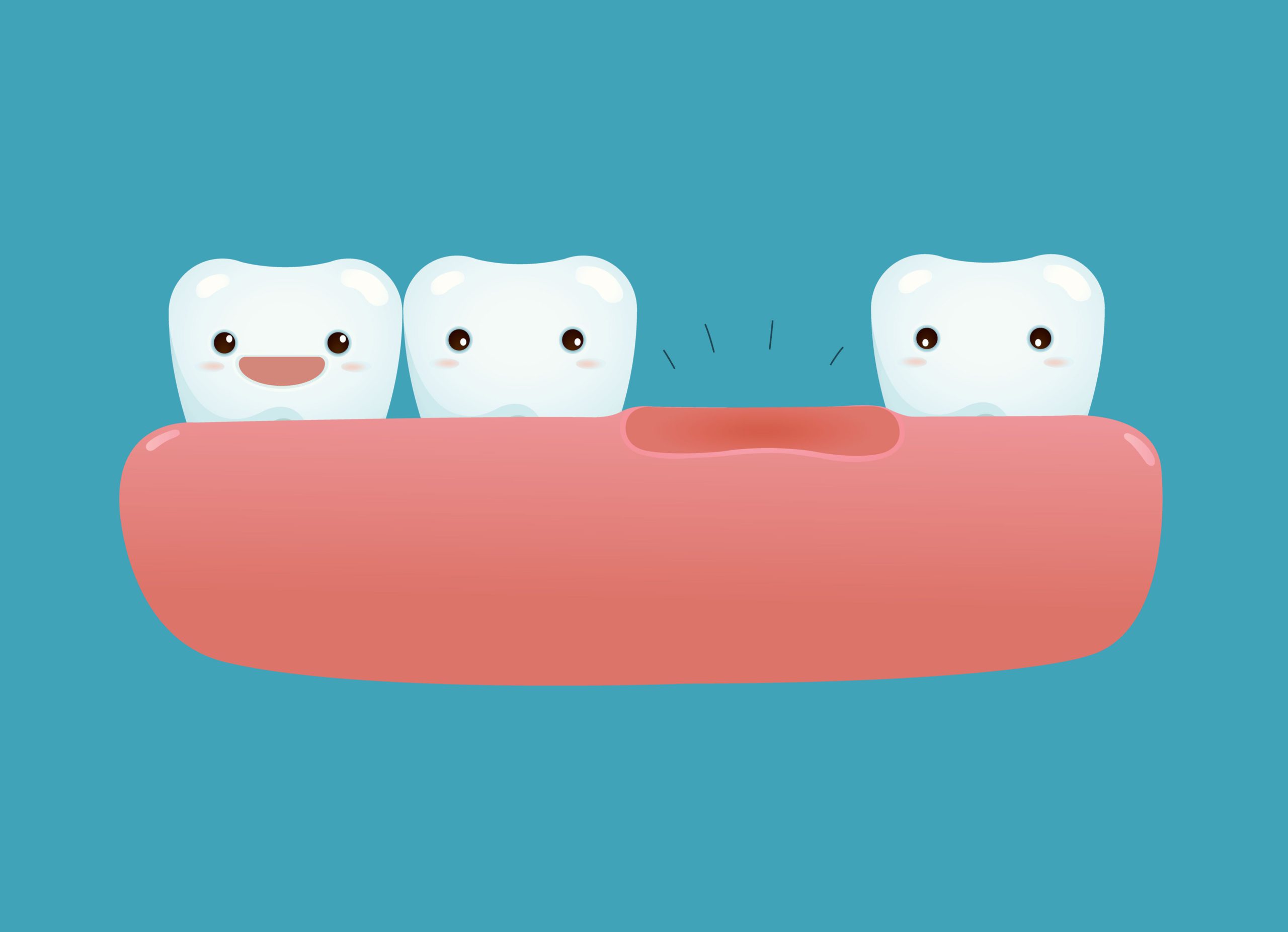
Missing teeth can happen for several reasons, including tooth decay, gum disease, dental trauma and certain developmental or health-related conditions. Losing a tooth can affect chewing, speech and the appearance of your smile. Understanding what causes missing teeth can help you identify risk factors early and seek appropriate dental treatment when necessary.
Who Is This Article For?
This article is useful for:
- People who have recently lost a tooth
- People with multiple missing teeth
- Parents concerned about premature tooth loss
- People experiencing loose teeth
- Patients with advanced gum disease
- People who have lost teeth because of an accident
- Anyone researching missing tooth replacement options
- Patients considering dental implants
Natural Ageing: Missing Teeth
As we grow older, our teeth undergo a natural process of wear and tear. This can lead to the teeth being less strong and less resistant to decay or breakage. The natural aging process can also lead to a reduction in the quality of your gums, meaning that they are less able to protect the teeth from decay. It’s important to be aware of these changes as you age, and to seek out preventative dental care to minimize the risks of decay and tooth breakage. This will help you to maintain strong, healthy teeth well into old age.
Gum Disease leads to Tooth loss
Gum disease is very common, and can affect people of all ages. Although it is often referred to as “organic”, it is a bacterial infection of the gums and other soft tissues around the teeth and is very much preventable. Gum disease is characterized by an inflammation of the gums, which leads to them becoming red, swollen and very fragile. If it is left untreated, this can spread to the roots of the teeth, and lead to the eventual loss of teeth. Gum disease can be caused by the buildup of plaque, where bacterial colonies reach critical mass and begin to spread. Unfortunately, these bacteria can be extremely difficult to eradicate, even when using the best oral hygiene techniques and tools.
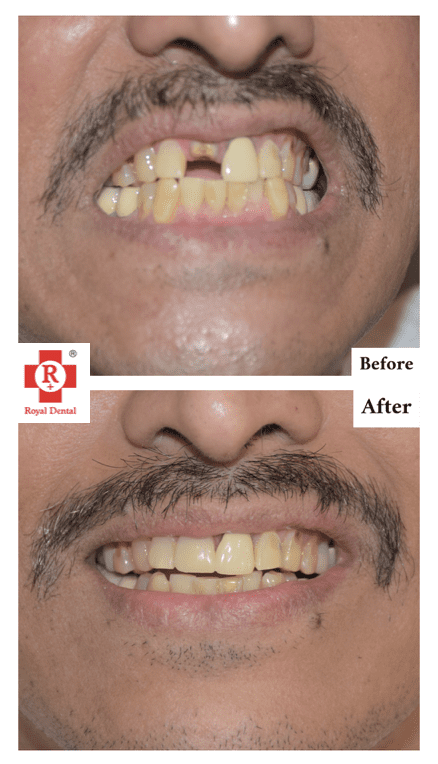
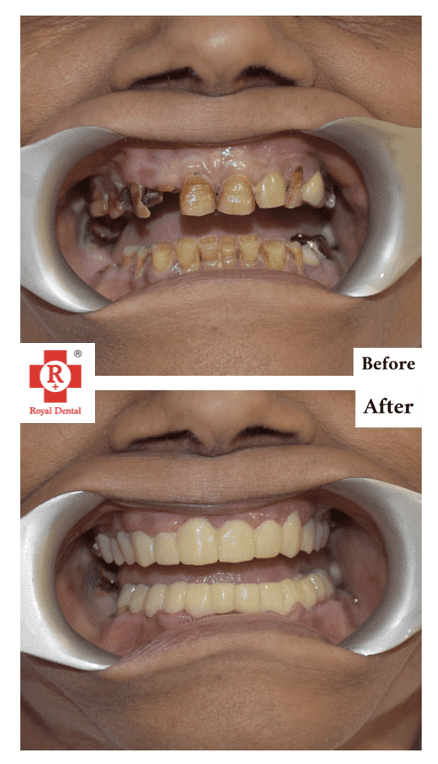
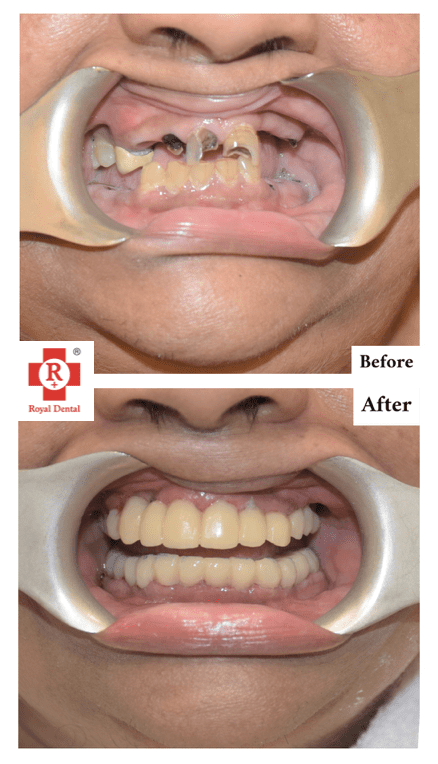
Impacted teeth leads to missing it
An impacted tooth is one that is trapped beneath the surrounding gum and bone, so that it is unable to break through the gum line. Impacted teeth have not been broken or damaged in any way, but the gums have simply grown over them, preventing them from emerging. Impacted teeth are more common in younger people, although they can also appear in older people.
They are most common in people with receding gums, and in those who have undergone gum surgery in the past. If an impacted tooth is left untreated, it can lead to an abscess forming within the gum, as well as the surrounding bone. This can be extremely painful, and often requires surgery in order to be treated.
Trauma
Trauma can be caused by a range of situations, from an accident to a sporting injury. It can also be the result of a sudden impact to the mouth, such as biting down on a hard food item like a piece of ice. Traumatic injuries to the mouth can lead to broken or displaced teeth, as well as fractures in the surrounding bone. If a broken tooth is not treated as soon as possible, it can lead to infection setting in, which will cause further damage and make the situation much worse.
Other causes of missing teeth
- Tooth Decay: Decay can arise from a variety of factors, including poor dental hygiene, a diet high in sugary foods and drinks as well as a lack of regular brushing and flossing. When left untreated, decay can spread and become more serious, leading to tooth loss.
- Gum Disease: As discussed above, gum disease can also lead to the loss of teeth. If left untreated, it can lead to the roots of the teeth decaying, which can eventually cause them to fall out.
- Snoring: Snoring occurs when the muscles in the back of the throat relax too much when we sleep. This can cause the soft tissues to vibrate too much, which can make a considerable amount of noise.
- Stress: While it is often joked that you should avoid talking to people when they are stressed, staying away from individuals who are stressed is a good idea.
- Age: As we age, the density and strength of bone naturally decreases, meaning it is easier to break. –
- Excessive Brushing: Over-brushing can lead to the gums being damaged, which can make it easier for bacteria to spread and cause gum disease.
Consequences of missing teeth
Trouble Chewing Food: If you have missing teeth, it can be very challenging to chew your food properly. This can lead to you eating less food, which can have a negative impact on your health.
Increased Risk of Cavities: The decrease in the strength of the teeth caused by missing teeth can make it easier for bacteria to reach and damage the remaining teeth. This can lead to cavities forming more easily, putting the remaining teeth at risk.
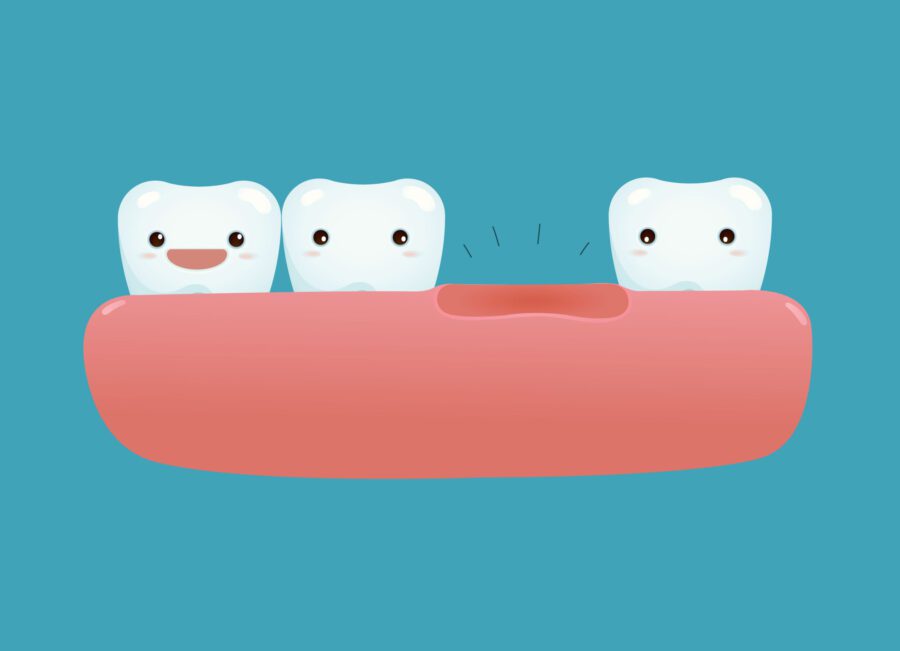
Difficulty Speaking Clearly: If you have missing teeth. Iit can be much harder to pronounce certain sounds, like the “s” and “f” sounds. This can have a negative effect on your social life, as well as your career prospects.
Jaw Arthritis: Having fewer teeth can put extra strain on the remaining ones. Which can lead to jaw arthritis, a painful condition that affects the joints in the jaw.
Orthodontics as a treatment option
Orthodontics is the name given to the treatment of crooked teeth, as well as an uneven bite. Your orthodontist will use braces to gradually correct the position of your teeth in your mouth. As well as gently realign your bite. If you have dental issues but no teeth to correct them with, orthodontics may be an option for you. This is a treatment that uses a removable appliance to gently reshape the surrounding gums and tissue. As well as reposition the jaw.
These appliances can correct a range of dental issues, from an uneven bite to gaps between the teeth. If you are interested in orthodontics but do not have teeth to work with. You should consult with your dentist about whether this is a suitable option for you.
Conclusion
Missing teeth can have a serious impact on your health and quality of life. It is important to take care of your teeth and gums to minimize your risk of losing teeth. As well as to prevent other oral health issues. With good oral hygiene, it is possible to avoid gum disease and tooth decay. As well as prevent the loss of teeth. If you are concerned about the state of your own or someone else’s teeth. It is important to visit the dentist as soon as possible.
Frequently Asked Questions
What is the most common cause of missing teeth?
Major causes of tooth loss include untreated tooth decay, advanced periodontal disease and dental trauma. The specific cause varies between individuals.
Can gum disease cause missing teeth?
Yes. Advanced periodontal disease can damage the tissues and bone supporting the teeth and may eventually result in tooth loss.
Can a broken tooth cause tooth loss?
A severely fractured tooth may sometimes need to be extracted if it cannot be predictably restored. However, many broken teeth can be treated, depending on the extent and location of the fracture.
Does ageing cause teeth to fall out?
Ageing alone does not mean that teeth should fall out. Tooth loss is generally associated with conditions such as decay, periodontal disease, trauma and other dental problems.
Can missing teeth be replaced?
Yes. Depending on the patient’s condition, options can include dental implants, bridges and dentures.
What happens if I don’t replace a missing tooth?
The consequences depend on the tooth and number of teeth missing. Potential effects include changes in chewing, speech, tooth movement and loss of supporting bone.
Is a dental implant the only option for a missing tooth?
No. Bridges and dentures may also be appropriate depending on the patient’s oral health and treatment needs.