

You’ve been dreaming of a brighter, straighter, and more confident smile, but with so many treatments available, where do you even begin? The world of cosmetic dentistry can seem complex, but the good news is that there’s a perfect option for nearly every aesthetic concern and budget. This guide is designed to be your comprehensive roadmap, demystifying the field and breaking down all the available cosmetic dentistry options—from quick and simple whitening treatments to complete smile makeovers—so you can find the ideal path to the smile you’ve always wanted.
Depending on your circumstances, some procedures may be able to be performed in one visit while others may require multiple visits or a longer recovery time. Also known aesthetics dentistry, it is a type of dental treatment that focuses-on improving a person’s appearance by correcting problems-with their teeth, gums, tongue, lips and facial features.
What Is Cosmetic Dentistry?
Cosmetic dentistry includes dental procedures that improve the colour, shape, size, position or overall appearance of the teeth and smile. Some treatments are mainly aesthetic, while others may also restore damaged teeth, improve bite relationships or replace missing teeth. A cosmetic treatment plan should begin with an examination of the teeth, gums and bite. Active cavities, gum disease, infection and unstable teeth may need treatment before elective smile enhancement begins.
What Problems Can Cosmetic Dentistry Correct?
- Stained or discoloured teeth
- Chipped or fractured teeth
- Uneven tooth shape or size
- Small spaces between teeth
- Mildly crowded or rotated teeth
- Worn-down teeth
- Old or discoloured restorations
- Excessive gum display
- Missing teeth
- An uneven smile line
- Changes caused by ageing or dental disease
Common Cosmetic Dentistry Options
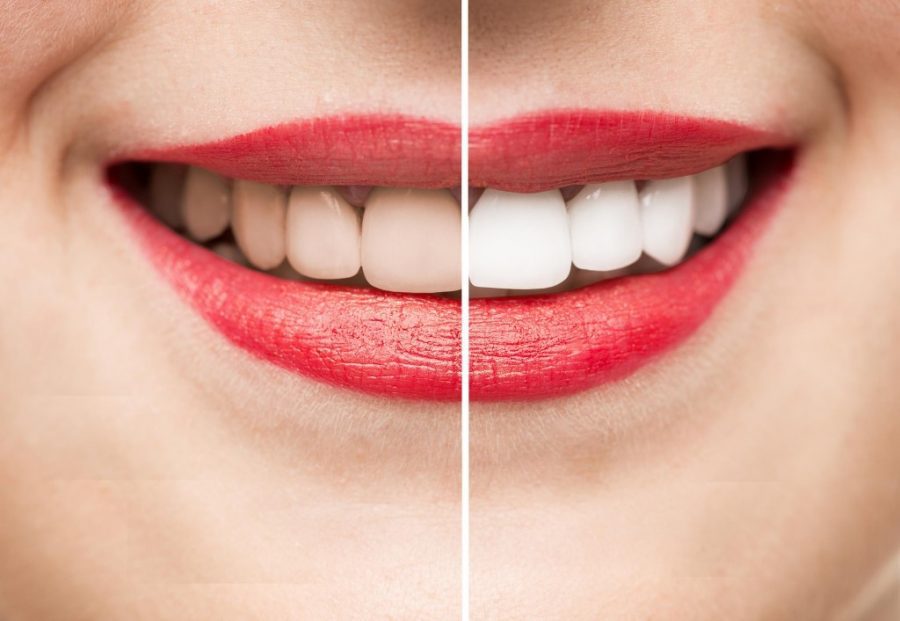
Professional Teeth Whitening
Teeth whitening can lighten certain types of natural tooth discolouration. Professional whitening may be performed in the dental clinic, at home with dentist-supervised trays or through a combination of both. Whitening does not change the colour of crowns, veneers, fillings or bridges. Existing restorations may therefore need replacement if they no longer match the whitened natural teeth.
Dental Veneers
Veneers are thin restorations attached to the front surface of existing teeth. They may improve colour, shape, symmetry, small gaps and selected alignment concerns. Veneers cannot replace missing teeth. Depending on the case, some enamel preparation may be required, making treatment partly or completely irreversible. Patients who grind their teeth may require additional protection.
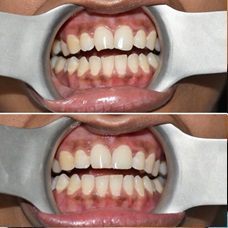
Dental Bonding
Dental bonding uses tooth-coloured composite resin to repair minor chips, close selected spaces, reshape teeth or mask small areas of discolouration. Bonding generally requires less tooth preparation than ceramic veneers, but the material may stain, wear or chip over time. Suitability depends on the size of the defect and the forces affecting the tooth.
Cosmetic Dental Crowns
A crown covers most or all of the visible portion of a tooth. It may be recommended when a tooth is extensively damaged, heavily restored, root canal-treated or unsuitable for a more conservative veneer or bonding procedure. Crowns require greater tooth preparation than veneers. They should not be recommended merely for cosmetic enhancement when a healthier, less invasive option can achieve the required result.
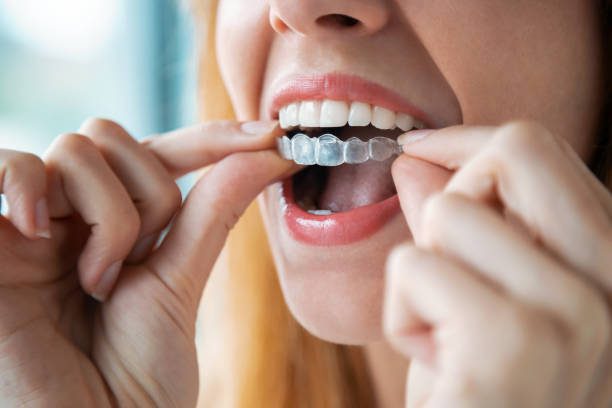
Clear Aligners & Orthodontic
Clear aligners or braces can correct crowding, spacing and certain bite problems by moving natural teeth. Orthodontic treatment may be more conservative than masking misalignment through extensive veneers or crowns. Treatment duration depends on the complexity of movement, gum health, patient cooperation and appliance selected. Retainers are required after treatment to reduce relapse.
Gum Contouring
Gum contouring may reshape excessive or uneven gum tissue to improve the proportions of the smile. In some cases, a gummy smile involves tooth position, jaw relationship or altered eruption rather than excess gum tissue alone. An examination is required to determine whether simple gum contouring, crown-lengthening treatment, orthodontics or jaw-related treatment is appropriate.
Replacing Missing Teeth
- Dental implants
- Implant-supported crowns or bridges
- Tooth-supported bridges
- Removable partial dentures
- Complete dentures
- Full-arch implant-supported teeth
Complete Smile Makeover
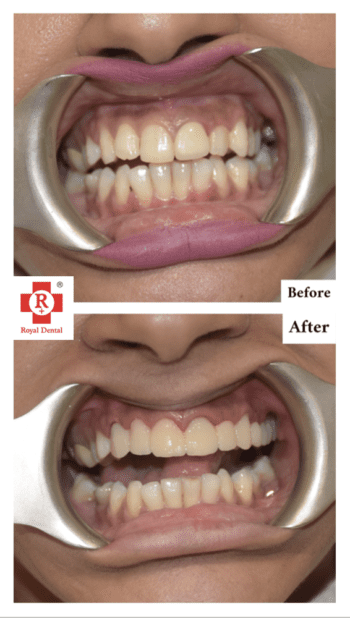
A smile makeover combines two or more procedures to address several concerns. Treatment may include whitening, bonding, veneers, crowns, aligners, gum treatment or replacement of missing teeth. The plan should consider the entire smile rather than treating each tooth independently. Tooth proportions, gum levels, lip position, facial appearance and bite should be evaluated together.
How Is a Cosmetic Treatment Plan Prepared?
- Discussion of the patient’s concerns and expectations
- Clinical examination
- Photographs
- Dental X-rays when required
- Gum and bite assessment
- Intraoral scanning or impressions
- Digital smile design
- Diagnostic wax-up
- Temporary mock-up of the proposed smile
- Shade and restorative-material selection
Different procedures should not be treated as interchangeable solely because they can all change the appearance of a smile.
How Long Do Cosmetic Dental Treatments Last?
Longevity varies according to the procedure, material, bite, oral hygiene and patient habits. Whitening may require periodic maintenance, while bonding, veneers and crowns may eventually need repair or replacement. Smoking, frequent consumption of staining foods, teeth grinding, biting hard objects and poor oral hygiene can reduce the life of cosmetic treatment. Regular professional reviews help detect wear or damage early.
Prevent future issues If your teeth are decaying or have cavities, it can affect your entire body. Aesthetic dentistry can help to prevent these issues from occurring by addressing the source of the problem. Maintain your oral health Good oral hygiene is required for all types of dental treatments, including aesthetic treatments. By investing in aesthetic treatments now, you can help ensure that your teeth and gums stay healthy for years to come.
What is the cost of Cosmetic Dentistry?
The cost of cosmetic dentistry varies greatly depending on the type of treatment you are receiving. While there are no set cost guidelines for cosmetic treatments, the average cost of some common procedures is listed below. The Teeth whitening – $300-$800 per tooth discolouration – $1,000-$2,000 per tooth gap bridging – $2,000-$4,000 per jaw bone grafting – $1,000-$3,000 per tooth crown – $3,000-$10,000 per jawbone
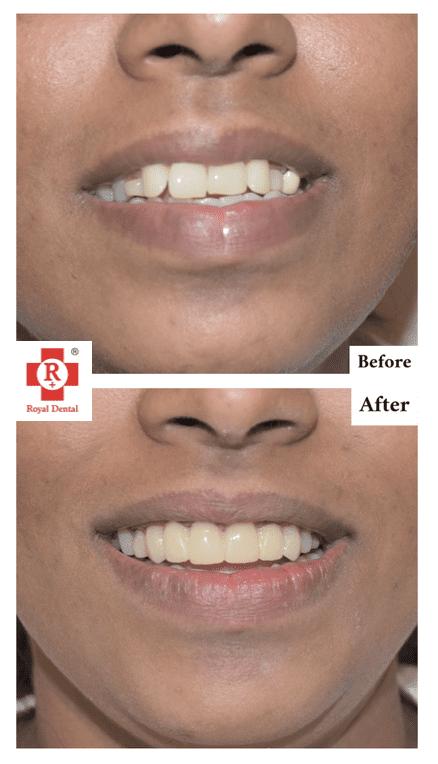
Conclusion
This method of professional oral care focuses on improving the appearance of your mouth, teeth, gums, and overall smile. Common procedures include teeth whitening, veneers, fillings, and implants. Cosmetic dentistry is becoming more and more popular, with the industry as a whole projected to reach $32 billion by 2026. Cosmetic dentistry can be a great way to improve your smile and self-confidence. The cost and length of treatment for individual procedures will vary depending on your needs and the type of treatment being performed.
Frequently Asked Questions
Is cosmetic dentistry only about appearance?
Not always. Some cosmetic procedures also restore damaged teeth, replace missing teeth or improve function. However, treatment should protect oral health rather than prioritising appearance alone.
What is the most conservative cosmetic dental treatment?
The answer depends on the concern. Whitening, minor bonding and orthodontic alignment may preserve more natural tooth structure than placing veneers or crowns. A clinical examination is required.
Can cosmetic dentistry fix crooked teeth?
Mild irregularities may sometimes be improved with bonding or veneers. Clear aligners or braces physically move the teeth and may be more appropriate when alignment or bite correction is required.
Can cosmetic dentistry replace missing teeth?
Yes. Dental implants, bridges and dentures can replace missing teeth while restoring appearance and function. Veneers and bonding cannot replace an absent tooth.
Are veneers better than bonding?
Neither is universally better. Bonding is generally more conservative and repairable, while ceramic veneers may provide greater colour stability and wear resistance. Suitability depends on the defect, bite and desired result.
Does cosmetic dentistry damage natural teeth?
Some treatments require little or no tooth reduction, while veneers and crowns may involve removal of enamel. The dentist should explain how much preparation is required and whether the procedure is reversible.
Can I receive cosmetic treatment if I have gum disease?
Active gum disease should usually be controlled first. Inflamed or receding gums can affect the appearance, fit and longevity of veneers, crowns and other restorations.
How much does cosmetic dentistry cost in India?
Cost depends on the procedure, number of teeth, materials, laboratory work, treatment complexity and dentist’s experience. A written plan should clarify each stage and what is included.
Can a smile makeover be completed in one day?
Selected procedures may be completed quickly, especially when digital planning and an in-house laboratory are available. Comprehensive treatment involving gum healing, orthodontics or implants may require more time.
How do I choose a cosmetic dentist?
Review the dentist’s qualifications, experience, diagnostic process, treatment alternatives and documentation of similar cases. The dentist should discuss limitations, maintenance and conservative options before treatment.