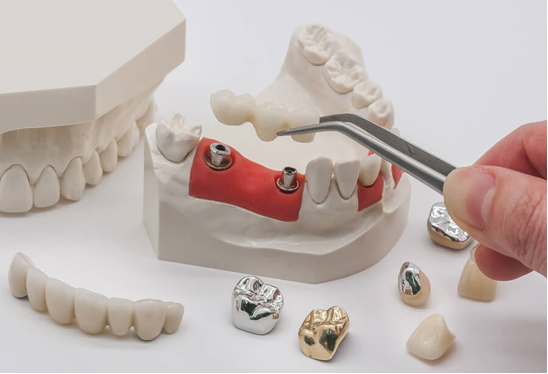


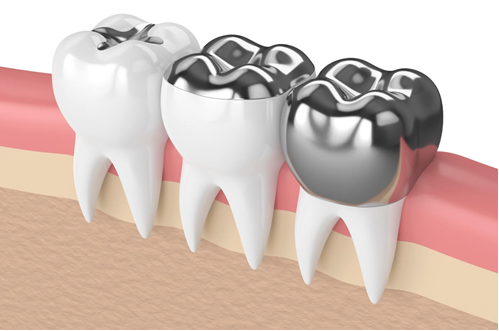
“Silver amalgam” is a dental filling material which used to fill the tooth cavities or oral pits. It is in use as a dental filling material for over 150+ years. Whereas “Dental amalgam” is a mixture of liquid containing mercury and powdered alloy consisting of silver, tin and copper. Also, this Mercury amalgam reacts with the silver, copper and tin mixture and the binding of which forms an amalgam mixture. Let’s read further on why Dental Amalgam must be replaced with other restorations.
Who is this article for?
This article is for patients who have old silver-coloured dental fillings and want to know whether they should be replaced with tooth-coloured fillings, ceramic restorations, SAPTeeth, inlays, onlays, or crowns. It is especially useful for patients with broken fillings, tooth sensitivity, food lodgement, black margins, cracks, repeated decay, poor aesthetics, or old metal fillings that show wear. Not every silver filling needs immediate replacement, but every old filling should be checked regularly.
Should every silver filling be replaced?
No, every silver amalgam filling does not need to be replaced just because it is old or grey in colour. If the filling is strong, sealed, painless, and the tooth around it is healthy, unnecessary removal may cause loss of natural tooth structure. Replacement is usually considered when there is decay around the filling, fracture, leakage, pain, poor appearance, or when the dentist finds that the filling is no longer protecting the tooth properly.
When should an amalgam filling be replaced?
An old amalgam filling may need replacement if the patient has sensitivity, pain while chewing, cracks in the tooth, broken filling edges, food getting stuck, bad smell from one tooth, or decay around the margin. Sometimes the problem is not visible from outside and may need an X-ray. The goal of replacement is not only cosmetic; it is to protect the remaining tooth and prevent the cavity from becoming deeper.
Tooth-coloured options after amalgam removal
After removing an old silver filling, the dentist may suggest composite, glass ionomer, ceramic inlay/onlay, SAPTeeth restoration, or a crown depending on how much tooth structure is left. Small cavities may be restored with tooth-coloured filling material, while larger or cracked teeth may need stronger coverage. The best material depends on tooth position, bite force, cavity size, aesthetics, cost, and long-term maintenance.
Amalgam replacement should be planned safely
Removing old amalgam should be done carefully, especially when the filling is large or close to the nerve. The dentist may use water spray, suction, isolation, and controlled cutting to reduce heat, debris, and unnecessary tooth damage. The FDA advises certain higher-risk groups, such as pregnant women, nursing women, young children, people with kidney impairment, neurological disease, or mercury allergy, to avoid new amalgam fillings when possible and appropriate. However, it also advises against removing good-condition amalgam fillings unless medically necessary.
Aesthetic replacement: When patients want a natural smile
Many patients choose to replace visible silver fillings because they want a more natural-looking smile. Tooth-coloured restorations can blend better with natural teeth and may be preferred in visible areas. However, cosmetic replacement should still be based on clinical judgement. If a silver filling is very large, the dentist may recommend an inlay, onlay, or crown instead of a simple filling so that the tooth is better protected from fracture.
SAPTeeth Dental filling
SAPTeethTM are highly specialised polymers, specially made to protect the bone, implant, or natural tooth. Research shows that ceramic, porcelain, Ni-Cr, and Zirconia teeth exert about 24 to 149 times more stress on bone as compared to SAPTeethTM. However, this difference is due to the shock absorbing capability of these polymers. Therefore, in patients with weak bone or low calcium, SAPTeethTM recommended over conventional materials. The best part about these materials customised to perfectly re-create your smile. And, that too in a matter of few hours.
Furthermore, in the last few decades concerns over potential toxicity of silver amalgam dentist to opt for other options. Newer materials like composites, polymers and ceramics are gaining popularity.
Is Dental Amalgam safe for health?
Dental amalgam fillings may release small amounts of mercury in the form of a vapor (gas), depending on the number and age of existing fillings, and actions such as tooth grinding and gum chewing. When a new amalgam filling or an old filling, patients may experience a temporary increase in exposure to mercury vapor. While there are no known health risks associated with ingestion of small particles of amalgam, mercury vapours harmful in certain patients.
In general, people with multiple dental amalgam fillings may have slightly higher mercury levels in their blood or urine, however, they usually remain at a level considered safe. Studies on people with dental amalgam do not show conclusive evidence that dental amalgam causes harmful health effects in the general population.
Drawbacks of Dental Amalgam on Health
Mercury in amalgam is a highly toxic material. It releases low levels of mercury in the form of vapours. Prolonged mercury vapour inhalation cause various respiratory problems. In addition, it is harmful for the nervous system, digestive system, immune system .
Moreover, the old amalgam fillings when dislodged from the tooth, metal particles enters the body through inhalation or ingestion.
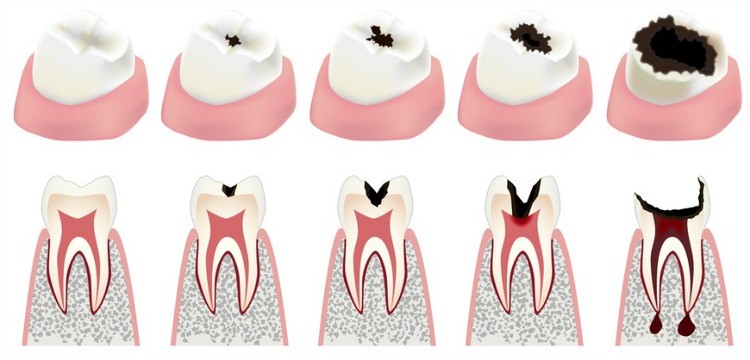
Over a period of time amalgams fillings show wear causing secondary microleakage. In other words, when a decay surrounding the filling / the filling becomes slightly dislodged from the walls of the tooth. Bacteria enters in and reaches the root leading to infection of teeth, which requires a root canal treatment. Teeth sensitivity clear indication that the amalgam filling replaced.

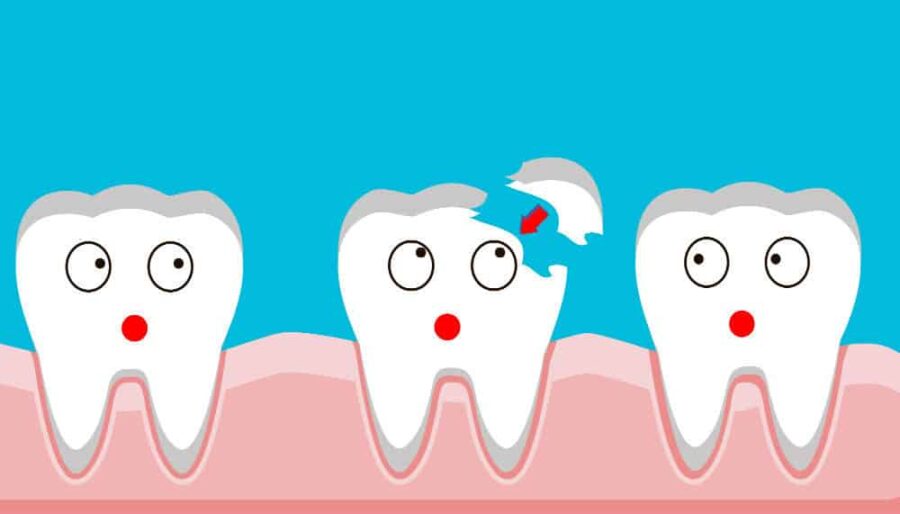
In addition, amalgam fillings made of metal expand and contract due to hot or cold food respectively. This may lead to fracture of teeth or cracking of teeth and loosening of the filling creating gaps for the bacteria to get in. After that, amalgam filling also requires preparation of cavity that involves more loss of tooth structure in contrast to the tooth coloured restoration (composite) that are with very conservative cavity preparation.
Also amalgam fillings are not esthetically pleasing. Furthermore, if the amalgam fillings are in good condition and worn out or broken there’s no need to replace such fillings. Additionally, removal of such fillings may lead to unnecessary mercury exposure.
1980’s Acrylic Ruled
Very high wear and tear functionality
May turn yellow over few years
Only indicated as a temporary material or in dentures
1990’s Metallic Crowns
Gold or chrome-cobalt commonly used
In addition, strong but aesthetics are artificial
Hard to bite on as the load exertion is high
2000’s Zirconia Crowns
Metals were replaced by Zirconia and covered with ceramics
Additionally, Zirconia has good aesthetics but exerts heavy load on bone
Damages the underlying natural teeth or implant.
How do SAPTeethTM manage the forces of teeth bite?
Natural Teeth: Crowing or capping of natural teeth indicated in cases where the tooth damaged due to infection, mobility, and cavity or altered by cosmetic dentistry. In such cases the ability of the Sharpe’s fibres reduces. SAPTeeth redistribute these forces and reduce the load and pressure on the natural tooth, Sharpe’s fibre and the bone. Dental Implant: SAPTeethTM aims to provide the shock absorbing capability to the teeth. Additionally, as in cases of the dental implant the forces acting on the implant may be in unfavourable angles. In conclusion, SAPTeethTM reduces these forces and helps in immediate load of the dental implant.
FAQs
Is silver amalgam filling dangerous?
Dental amalgam contains mercury combined with other metals, and it can release small amounts of mercury vapour over time. For most people, existing amalgam fillings in good condition are not automatically considered dangerous. However, certain high-risk groups may be advised to avoid new amalgam fillings when other suitable options are available. Patients should discuss their medical history and concerns with the dentist before deciding.
Can I replace my silver filling with a white filling?
Yes, many silver fillings can be replaced with tooth-coloured restorations, but the dentist must first check the size of the filling, remaining tooth strength, decay, cracks, bite pressure, and X-ray findings. A small filling may be replaced with composite, while a large or weakened tooth may need an inlay, onlay, SAPTeeth restoration, or crown.
Medical Disclaimer
This article is for patient education only. Dental treatment should be planned after clinical examination, medical history review, and X-rays or scans where required. Treatment suitability, cost, timeline, healing, and results vary from patient to patient.