
Dental implants are a unique kind of restorative procedure. Unlike other treatments, there are many ways to care for dental implants. Each person and their unique situation is different. That’t why it’s so important to get as much information as you can from your dentist in Mumbai before getting an implant and continuing to research after the fact. But what does this mean in practical terms? It means that there isn’t one simple trick or set of rules that will apply to every person with a every dental implant. Read on for recommendations for care for dental implants.
Who Is This Blog For?
This blog on how to care for dental implants is for anyone who has recently gotten dental implants and wants to make sure they last as long as possible. It is especially useful for new implant patients still learning the right cleaning routine, since implant care differs slightly from caring for natural teeth. It is also relevant for patients managing conditions like diabetes, which can affect healing and implant success, as well as anyone experiencing discomfort or unsure signs around their implant who wants to know what is normal versus what needs a dentist’s attention. And for those considering implants in the future, this blog offers a realistic look at the daily maintenance involved before committing to the procedure.
What are Dental Implants?
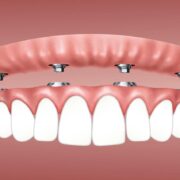
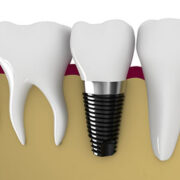
They are fixtures made of titanium that are inserted into your jawbone in place of your missing teeth. One implant is placed, they are loaded with dental crown immediately. It can replace one tooth, a few teeth, or an entire arch that holds an entire set of teeth. You can use dental implants to re-create a healthy, beautiful smile. They can help you eat and speak more comfortably, too. And they can last for decades with proper care.

Select Implant Dentist in Mumbai carefully
This is step one on how to care for your dental implants. When you go in to get dental implants, you’re putting your health and well-being in the hands of your dentist and dental implant clinic in Mumbai. Their actions will have a critical impact on the overall success of your implants. You need to make sure you’re in good hands. It’s important that you research your dentist and dental implant provider carefully before you get dental implants. You want to make sure that they have the experience and expertise necessary to do a high-quality job.
Beyond that, you also want to make sure that your dentist and dental implant provider have a strong track record of successfully treating patients like you. This means you should look for reviews and ratings, as well as ask your friends and family if they know anyone who has had implants done. Your oral hygiene level will determine the success or failure of your treatment.
Brush with the right technique
The best way to clean the surface of your dental implants is with a soft-bristled toothbrush and non-fluoridated toothpaste. You should also make sure to clean around the gum line and the implant itself with a toothbrush. We recommend a Sonicare toothbrush, which is powered by patented sonic technology that gently and thoroughly removes plaque and bacteria from your teeth and gums.
Floss after every brushing
We know it sounds counterintuitive, but dental implants are a fixed fixture in your mouth, so you should floss around them to remove food particles and plaque. It’s important to floss after brushing so you don’t dislodge any plaque around your implants. We recommend a fluoride-free floss like the Oral-B Glide Floss Picks. They’re small and easy to manoeuvre around implants without disrupting the surrounding tissue.
Get regular check-ups and cleanings
It’s important to visit your dentist regularly for cleanings and check-ups, especially if you have dental implants. Your dental professional can clean around the teeth roots and implant posts to keep them from becoming infected. Dental cleaning and exam can also catch any early problems with the implants themselves, like the formation of plaque or a worn post. Early detection and treatment of these issues can help prevent more serious problems from developing later.
Use the right mouthwash
You don’t need to use mouthwash every day, but if you do choose to use it, use a non-fluoridated mouthwash that doesn’t disrupt the protective barrier around dental implants. If you use mouthwash regularly, make sure to avoid alcohol-containing products that can erode the gums around your implants.
Don’t forget about your tongue and gums
Your tongue and gums are important parts of oral health, and they need attention and care just like the rest of your mouth. Avoid brushing your tongue, as the bristles on your toothbrush can damage the delicate tissues on your tongue which may lead to bleeding and infection. Instead, use a soft-bristled tongue scraper to remove debris from your tongue. You should also brush your gums regularly. Gums can swell and bleed around dental implants, and regular brushing can help prevent this.

Maintaining Good Oral Hygiene
Most dentist i Mumbai recommend to care for your implants, is to maintain good oral health. This means brushing your teeth twice a day, flossing once a day, and getting any necessary dental cleanings and check-ups. You also want to make sure that you’re managing your diabetes and any other medical conditions. It’s also important to remember that implants aren’t a cure-all. If you have a large amount of missing teeth, this is not necessarily a good choice. You need to make sure that you’re getting the most appropriate treatment for your situation.
Tips for daily care of Your Implants
- Use the Right Toothbrush and Toothpaste. Make sure that you’re using the right toothbrush and toothpaste when you brush your teeth. This includes using a soft-bristled toothbrush and a toothpaste designed for dental implants.
- Don’t Swish Around or Spit out the Toothpaste. There’s a common myth that you should rinse your mouth out with water following brushing. This is actually detrimental. When you spit out the toothpaste, you send a lot of it down your drain. This can cause build-up in your pipes and lead to expensive plumbing problems.
- Use a Waterpik. A Waterpik is a handy tool that combines brushing and flossing into one device. You can use this to clean your implants and gums more thoroughly than with a normal toothbrush.
Frequently Asked Questions on Dental Implants!
How Do Dental Implants Work?
Dental implants function like your natural teeth. The only difference is that they’re permanently anchored into your jawbone. Your dentist will surgically place the implant and then wait for your body to heal around it. Once healed, a soft tissue forms around the implant to create an ultra-firm bond between the implant and jawbone. This allows you to eat and speak as you normally would.
How Long Does it Take to Get a Dental Implant?
This depends on a number of factors. Your dentist will let you know how long they think the procedure will take, but it’s important to remember that this is an approximation. It’s possible that something could go wrong and the procedure could take a little longer. But it’s also possible that it will be done a little more quickly than expected.
What are Dental Implant Costs?
Its costs vary widely from dentist to dentist, and even from patient to patient. This is why it’s important to do your research on the dentist and dental implant provider before getting any work done. You can then use this information to negotiate a fair price for your dental implant procedure.
Can I Get Dental Implants if I Have Diabetes?
Why not! Many people with diabetes successfully get implants. However, it’s important to get your blood sugar under control (to the best of your ability) before getting dental implants. Ideally, you should be within a normal range before getting implant surgery.
Conclusion
There’s a lot to know about how to care for your dental implants. It’s important that you have a full understanding of what you need to do to keep you healthy for the long term. This includes brushing and flossing regularly, getting routine dental cleanings, and maintaining good oral health overall. If you follow these guidelines and micromanage your dental implant maintenance, your implants should last the rest of your life. This is a huge benefit compared to other tooth replacement solutions like dentures or bridges.
Medical Disclaimer
This article is for patient education only. Dental treatment should be planned after clinical examination, medical history review, and X-rays or scans where required. Treatment suitability, cost, timeline, healing, and results vary from patient to patient.