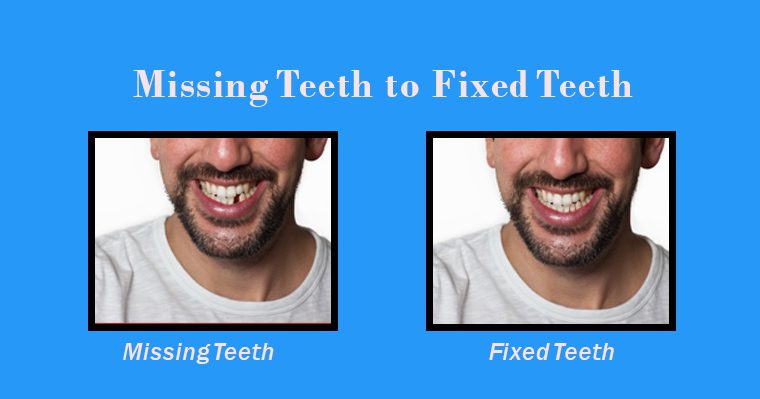
When several or all teeth are missing, patients may consider fixed or removable tooth-replacement options. Fixed solutions can include implant-supported teeth, while removable options include partial and complete dentures. Neither option is automatically better for every patient. The right choice depends on factors such as the number of missing teeth, bone and gum health, overall health, budget, ability to maintain oral hygiene and personal preferences. This guide compares fixed teeth and removable dentures to help you understand the differences before discussing your options with a dentist.
Who Is This Article For?
- People missing one or more teeth
- Patients considering dentures
- Patients considering dental implants
- People deciding between fixed and removable teeth
- Patients who have difficulty wearing conventional dentures
- People looking for a second opinion about tooth replacement
- Patients comparing comfort, maintenance and cost
What are Fixed Teeth?
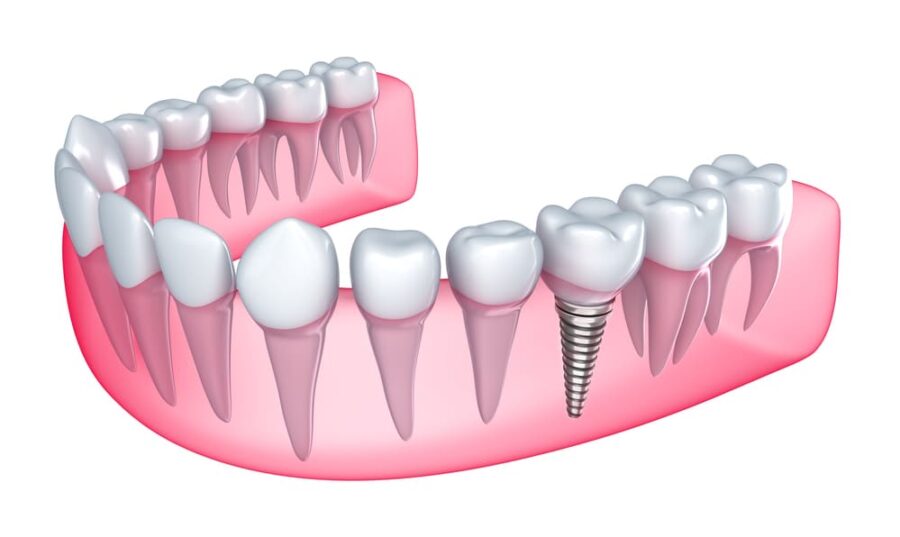
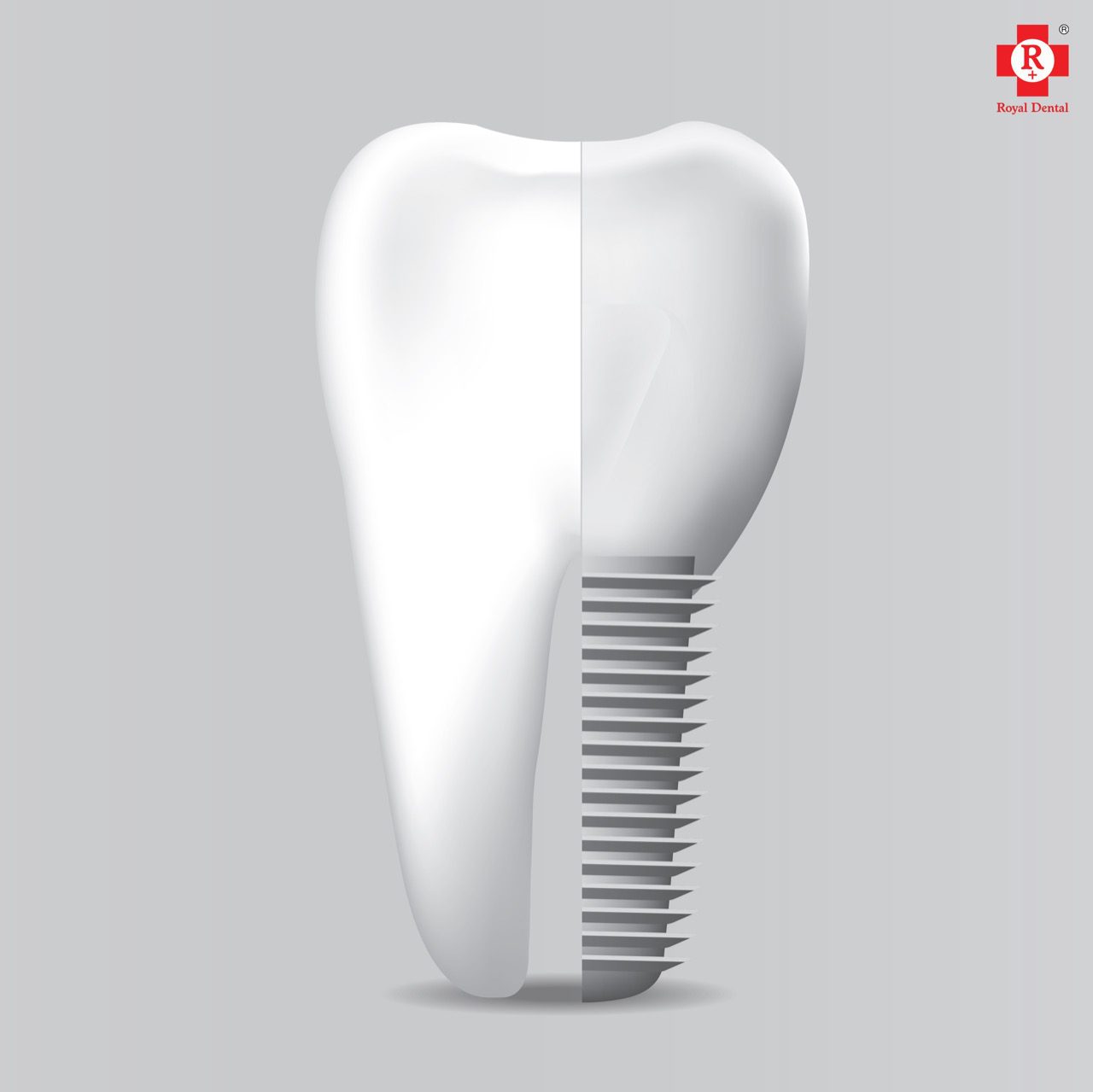
Fixed teeth are teeth that are ‘fixed’ in place. The term ‘fixed’ refers to the fact that this type of artificial denture cannot be removed. Fixed teeth are attached to the jaw with the help of a dental implant. This type of denture is generally recommended for people who need a complete set of teeth. Fixed teeth are also a good option for people who have difficulty removing dentures, including people with limited hand dexterity.
What are Removable Teeth?
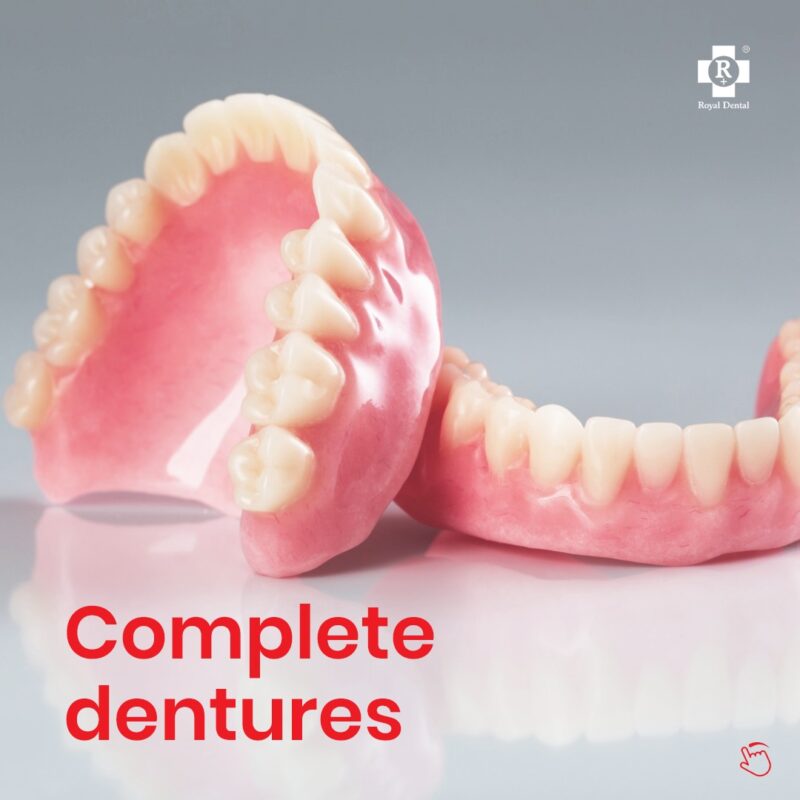
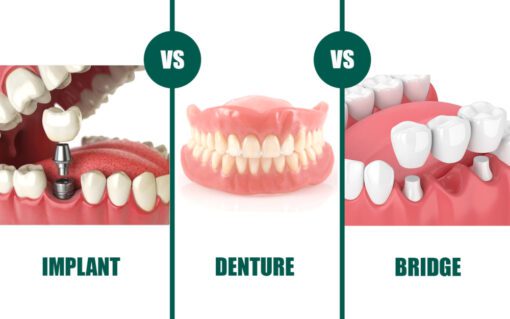
Removable teeth are teeth that are designed to be removed and re-inserted. This type of denture can be removed, cleaned, re-inserted, and put back in the mouth with ease. The most common type of removable tooth is the partial denture. This type of denture generally includes some of the original teeth, which will remain in place. Removable teeth are especially recommended for people who need a weak bite, need to replace one or two missing teeth, or have issues with the jaw.
Which one is better: Fixed Teeth vs Removable Dentures?
Fixed teeth are generally better for people who have a complete set of teeth missing. The best candidate for this type of denture is someone who needs a complete set of teeth back in their mouth. Removable teeth, on the other hand, are better for people who need to replace one or two missing teeth. If you only need a few teeth replaced, a removable partial denture might be a better option.
Pros of Fixed Teeth
- Easy to clean: Since the dentures are attached to the jaw with the help of implants, they are easier to clean. Also, the risk of gum disease is lower, since germs cannot easily reach the dentures.
- Better Jaw Health: Since fixed teeth are not removed every day and put back in the mouth, they do not put pressure on the jawbone. This means that they help prevent jawbone loss.
- Improved Eating Experience: Fixed teeth are better for eating and speaking. They allow you to bite and chew food more effectively, and you’ll find it easier to taste food.
- Dental Health: You don’t need to clean the dentures every day, which means that you don’t need to use toothpaste. This can help prevent gum disease and prevent you from developing a dental issue called ‘dry mouth.
- Smile Improvement: When you wear dentures, you might experience a change in your smile. Fixed teeth can help ensure that your teeth are perfectly aligned and that you have the smile you want.
- Health Benefits: Since fixed teeth are attached to the jawbone, they are less likely to cause an infection.
Pros of Removable Teeth
- Cheaper: Partial removable dentures are generally cheaper than fixed teeth. This is because you’ll only need to pay for a few implants to hold one fixed tooth, while you’ll need several implants to hold more than one removable denture.
- Convenience: Since removable dentures are easier to put in and remove than fixed teeth, they are better for people who have issues with dexterity or hand function.
- Changes: Removable dentures are easier to adjust and can be modified as your health changes.
- Change In Jaw Health: Removable dentures do not put pressure on the jawbone, which means that they help prevent jawbone loss. This can be especially helpful for people who have issues with their jaw.
- Eating Experience: Removable dentures are better for eating and speaking. They allow you to bite and chew food more effectively, and you’ll find it easier to taste food.
- Dental Health: You don’t need to clean the dentures every day, which means that you don’t need to use toothpaste. This can help prevent gum disease and prevent you from developing a dental issue called ‘dry mouth.
Cons of Fixed Teeth
- Cost: Fixed teeth are generally more expensive than removable dentures. This is due to the fact that the teeth are attached to the jaw with the help of dental implants.
- Harder To Change: Fixed teeth are harder to modify and adjust over time. This means that you’ll need to see a dentist more often.
- Risk Of Tooth Erosion: If the teeth are too close to the gums, there is a chance that they will erode the gums. This can cause infection and other dental issues.
- Risk Of Tooth Loss: If the teeth are too close to the gums, they can cause gum disease. This can cause infection, which can lead to tooth loss.
Cons of Removable Teeth
- Cleaning: Since removable dentures are not attached to the jaw, they can be easier to clean. However, they are also easier to damage.
- Convenience: Dentures are removable, which means that you have to put them in and take them out every day. This can be time-consuming and inconvenient.
- Ease Of Use: Fixed teeth are generally easier to use than removable dentures. This is due to the fact that you don’t have to put them in and take them out every day.
- Dental Health: Since you don’t need to clean the dentures every day, you don’t need to use toothpaste. This can lead to a condition called ‘dry mouth.
- Eating Experience: While you can use dentures to bite and chew food more effectively, it might be harder to enjoy food.
- Health Benefits: Since the dentures are not attached to the jaw, they are less likely to cause an infection.
Conclusion
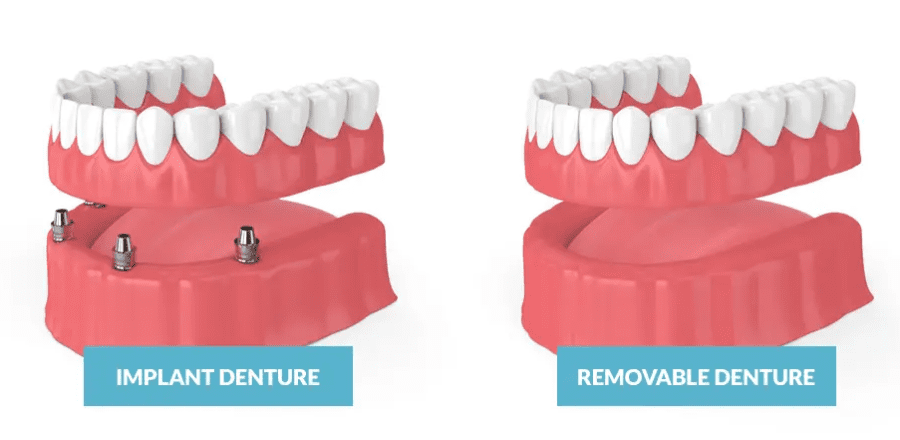
Overall, fixed teeth and removable teeth each have their own unique advantages and disadvantages. Fixed teeth are more durable and less likely to break than removable teeth, but they are more expensive. Removable teeth are less expensive and easier to replace, but they are less durable and more likely to break. If you’re having dental implants, fixed teeth are the best option for you because they are more durable and do not need to be removed for cleaning. But if you are having dentures, then removable teeth are the best option because they are less expensive than fixed teeth.
Frequently Asked Questions
Are fixed teeth better than removable dentures?
Not automatically. Fixed and removable options have different benefits and limitations. The best option depends on the number of missing teeth, oral and general health, bone condition, budget and personal preferences.
Are fixed teeth more comfortable than dentures?
Many patients find stable fixed restorations comfortable, but comfort depends on the restoration, fit, oral condition and individual adaptation. Removable dentures can also be comfortable when properly designed and fitted.
Are removable dentures cheaper than fixed teeth?
Conventional removable dentures are generally less expensive initially than implant-supported fixed teeth. The actual cost depends on the treatment plan and materials.
Do fixed teeth need to be cleaned?
Yes. Fixed teeth and implant-supported restorations require regular cleaning and professional maintenance.
Can I get fixed teeth if I have no teeth?
Possibly. Patients with complete tooth loss may be candidates for implant-supported fixed teeth, implant-retained removable dentures or conventional complete dentures. A clinical assessment is needed to determine the appropriate option.