
Dental crowns are a great way to restore broken or damaged teeth, but they aren’t cheap. If you have dental crowns fitted as part of your restoration plan, it’s important to ask about any warranty and check whether they come with a manufacturer warranty. We all know that buying something new comes with risks—if something goes wrong in the first few months of owning the item, you will be out of pocket for its replacement. However, asking if your dental crowns warranty exists. will give you peace of mind. Fortunately, most manufacturers provide warranties for their dental work, so here’s what you need to know about these warranties and how they can help in the event of an emergency.
Who is this article for?
This article is for patients who are planning dental crowns and want to understand whether crowns come with a warranty or replacement support. It is also useful for patients who already have crowns and are worried about chipping, loosening, wear, staining, or breakage. A dental crown warranty should always be understood clearly before treatment, because coverage depends on the material, clinic policy, oral hygiene, bite force, maintenance visits, and cause of damage.
What does a dental crown warranty usually mean?
A dental crown warranty usually means that the clinic or manufacturer may repair, replace, or support the crown if there is a material or manufacturing-related issue within the stated warranty period. However, every warranty has conditions. It may not cover damage caused by accidents, chewing very hard foods, poor oral hygiene, untreated gum disease, bruxism, missed follow-ups, or changes in the supporting tooth or implant.
Be sure to ask how long the warranty is valid, and whether you need to notify the manufacturer if the crown is faulty. Some warranties are valid only if the crown is damaged, whereas others are valid if the crown is removed for any reason. If the crown is removed for any reason, it will need to be replaced with a new crown.
What may not be covered under crown warranty?
Warranty may not apply if the crown breaks due to trauma, night grinding, biting hard objects, decay under the crown, gum disease, lack of cleaning, or if the patient does not attend advised follow-up appointments. A crown is only one part of the system. The tooth, gums, bite, bone, implant, and hygiene also affect long-term success.

Why maintenance matters more than warranty alone?
A warranty can provide peace of mind, but it should not replace regular dental care. Crowns need brushing, flossing, water flossing where advised, bite checks, and routine dental visits. If a crown feels high, loose, painful, or has food lodgement, it should be checked early. Delaying treatment may make a small correction more complicated.
Royal Dental Clinics approach
At Royal Dental Clinics, crown planning includes material selection, bite evaluation, tooth or implant support, smile requirement, and maintenance advice. Patients should ask clearly about warranty period, what is covered, what is excluded, and what follow-up care is expected after crown placement.
Finding out if your dental crowns come with a warranty
If you’re having dental crowns fitted as part of dental restoration, you can ask your dentist which manufacturer they will be using. Crowns are usually custom-made for each patient, so you should be given the option to choose your preferred brand. Find out if the crown you are being offered comes with a warranty.
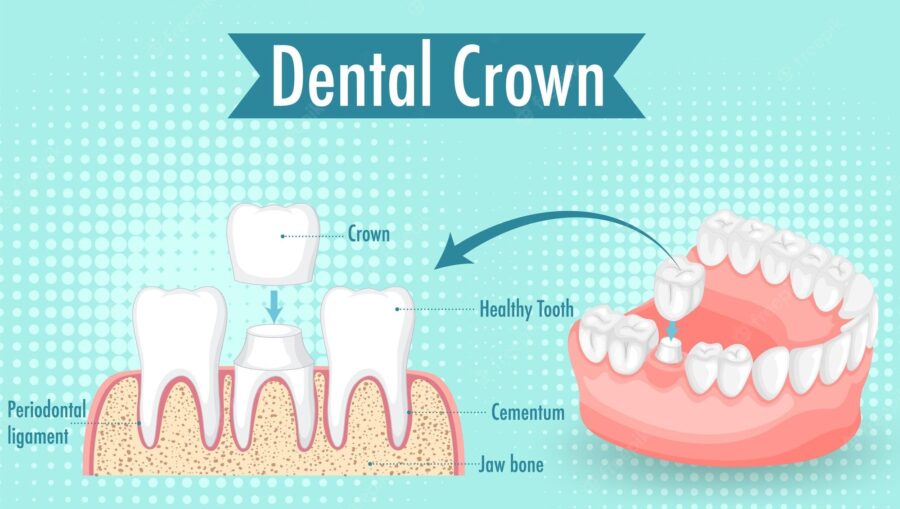
You can also ask the manufacturer directly to find out if the crown you are offered with a warranty and how long it lasts. If your dentist says the crowns come with a warranty, make a note of the details so you can refer to them later. If your dentist isn’t sure whether the crowns come with a warranty, it’s worth asking.
Why do you need to check for a warranty?
Dental crowns are a very effective way of restoring your teeth, but they aren’t cheap. If you are having dental crowns fitted as part of dental restoration, it’s important to find out if they come with a warranty. A dental crown warranty can help to protect you from financial loss if a crown needs replacing within a certain amount of time. Although dental crowns are very effective at repairing teeth, they aren’t indestructible. They can chip, crack, or be removed by a dentist who decides they are no longer suitable.
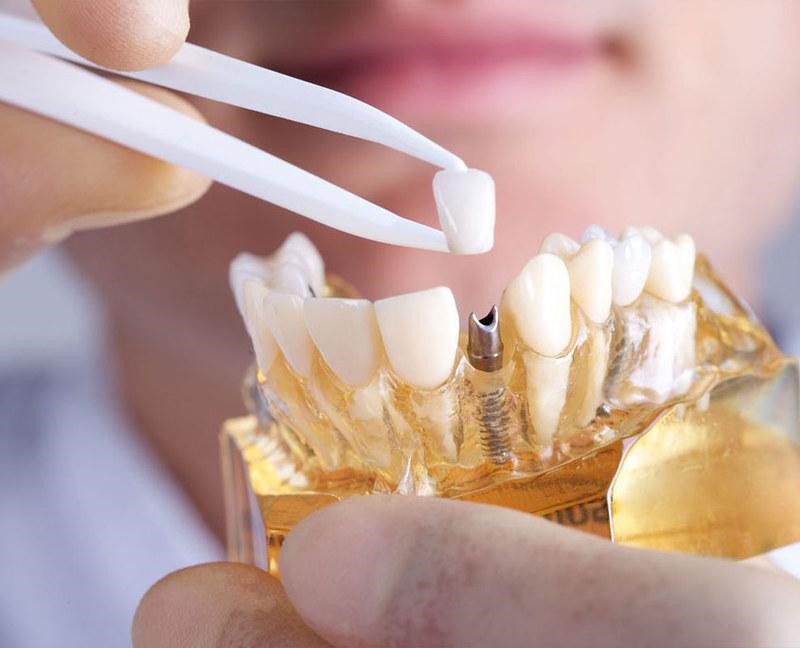
If a crown needs to be removed, a dentist might decide to fit a new one instead. If you aren’t offered a new crown, and instead have the old one replaced, you will need to pay for any new crowns. Replacing a dental crown isn’t cheap, so a warranty can help to protect you from incurring these costs. A warranty will also protect you from possible embarrassment if your crown fails in public. If your crown falls out, it could embarrass you and your dentist. A warranty should cover the costs of any new crowns, so you won’t have to worry about paying for their replacement.
How to find out the length of the warranty?
First, find out if the warranty is valid. Some warranties extend only to defects in the crown. While others protect you from the cost of replacing or removing the crown if it is no longer suitable. If the warranty only protects you from defects. You may have to pay for a new crown if the original one is damaged. Next, find out how long the warranty is valid.
While most manufacturers offer a warranty of between 1-2 years, some offer a lifetime warranty. If possible, opt for a lifetime warranty over a shorter warranty. You have the option between two different manufacturers, find out which one offers a better warranty and longer warranty period. If you need to replace your dental crowns, you will want to be sure you are covered.
What’s usually covered by a dental crowns warranty?
A dental crown warranty will usually cover any defects in the crown, including any manufacturing faults. It should also cover the costs of replacing or removing the crown if it is no longer suitable. If the crown is damaged, you may need to show proof of the damage to the manufacturer. You will also need to explain why you need a replacement. If the crown is removed, you may have to show proof of the reason why.
You may also have to explain why you need a replacement. A dental crown warranty may not cover the costs of replacing crowns regularly. For example, if you have a tooth that is very sensitive, you may have to have your crown replaced regularly. If you are having these costs covered by your warranty, you may have to provide evidence of the problem.
When you shouldn’t rely on the warranty?
While a dental crown warranty can help to protect you from unexpected costs. It shouldn’t be your only form of protection. Make sure you look after your crowns properly and visit your dentist regularly for check-ups. If a crown starts to show signs of damage, you should visit your dentist as soon as possible. If you fail to report issues with the crown, the warranty may not be valid. Your dentist may decide that the crown is no longer suitable and fit a new one. If this happens, the warranty won’t cover the costs of replacing the crown.
Conclusion
A dental crown warranty is a great way to protect yourself from financial loss if one of your crowns needs replacing. It’s important to note, however, that some warranties are invalid if the crown is removed for any reason. And It’s also important to make sure you understand exactly what is covered by the warranty. It’s also worth noting that dental crowns are a long-term solution. While they can last for years, there will come a point when you need a new fitting. Make sure you visit your dentist regularly so they can monitor the condition of your dental crowns.
© All rights reserved by Royal Dental Implants Pvt Ltd
Issued in public interest
FAQs
Do dental crowns come with a warranty?
Some crowns may come with warranty or replacement support, depending on the material, clinic policy, and treatment plan. Patients should confirm the exact terms before starting treatment.
Does warranty cover crown breakage?
It depends on why the crown broke. Material defects may be covered, but breakage due to trauma, hard biting, grinding, poor hygiene, or untreated dental problems may not be covered.
Can a loose crown be repaired under warranty?
Sometimes, but the dentist must first check why it became loose. Decay, bite issues, cement failure, gum disease, or tooth fracture may change the treatment decision.
How can I protect my dental crown warranty?
Maintain oral hygiene, avoid chewing very hard foods, attend follow-ups, use a night guard if advised, and report any discomfort early.