
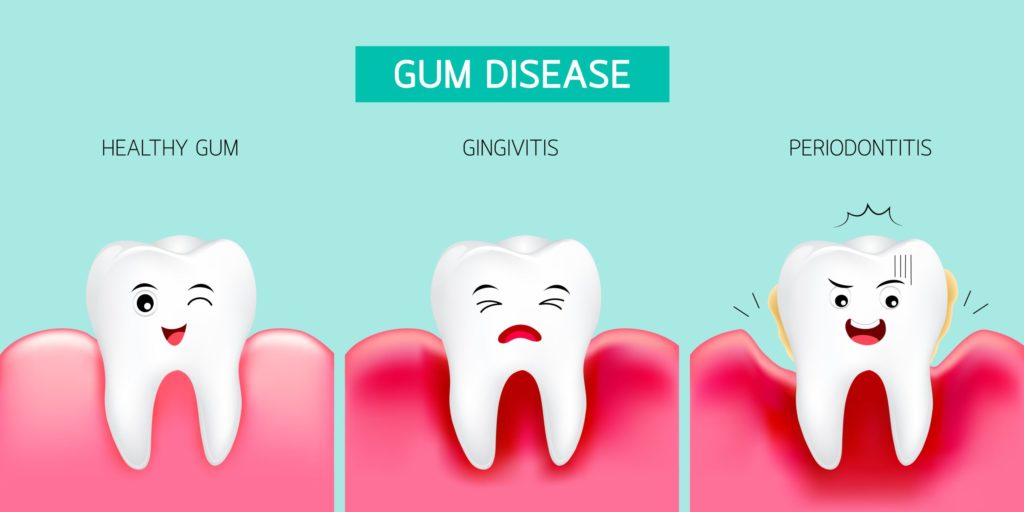
This is one of the most common questions patients ask after being diagnosed with gum disease. While excellent oral hygiene is essential for controlling periodontal disease, moderate gum disease usually requires professional dental treatment in addition to daily brushing and flossing. Early gum disease (gingivitis) can often be reversed with proper oral hygiene and professional cleaning, but moderate periodontitis generally cannot be completely cured through home care alone.
Moderate gingivitis is when the gums become red, swollen, and bleed easily. But with good oral hygiene and regular visits to the dentist, you can reverse this condition fairly quickly. However, if left untreated, it can lead to a more advanced form of periodontal disease called chronic periodontitis. Gum disease can be controlled and treated with good oral hygiene and regular professional cleaning. More severe forms of periodontal disease can also be treated successfully but may require more extensive treatment.
Who Is This Article For?
- People diagnosed with moderate gum disease
- Patients experiencing bleeding or swollen gums
- Individuals concerned about tooth loss
- People looking for non-surgical gum disease treatment
- Anyone wanting to improve their periodontal health
What is moderate Gum Disease?
The third stage of periodontal disease has more probing depths, which allows for even more bacteria to attack the bones and the blood stream, too. Much like slight periodontal disease, our professional specialists will use scaling and root planing to thoroughly clean the area. Moderate gingivitis is when the gums become red, swollen, and bleed easily. This is due to an overgrowth of bacteria in the mouth and can be reversed with proper oral hygiene. If it’s left untreated, it can lead to a more advanced form of periodontal disease called chronic periodontitis.

How to cure moderate Gum Issues?
How to cure moderate gingivitis will vary from person to person, but in general, it requires good oral hygiene. The best way to maintain good oral hygiene is to brush your teeth at least twice a day and floss once a day. If you want to ensure you’re doing everything you can to prevent gum issues, be sure to brush your teeth after meals and snacks. If you can, try using an electric toothbrush as they’re more effective at removing plaque.
When brushing, use a soft-bristled toothbrush and a mouthwash that contains fluoride. If you want to use a mouthwash as a part of your oral hygiene routine, be sure to choose one that’s alcohol-free. Alcohol-containing mouthwashes can dry out and irritate the gums, making gum disease more likely.
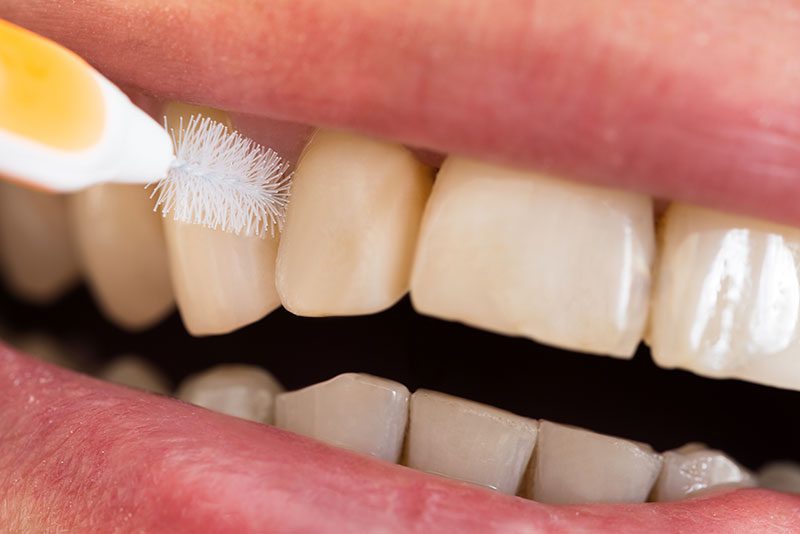
If you’re suffering from moderate gingivitis, you may need to see a dentist for treatment. Your dentist may recommend scaling and root planning, which removes plaque and bacteria from the teeth and gums. In addition to the procedure, they may prescribe you antibiotics to help reduce the risk of gum disease recurring. If you’re suffering from moderate gingivitis, see your dentist as soon as possible. Early detection and treatment of moderate gum disease is key to reversing the condition and preventing it from becoming chronic periodontitis.
Treat Moderate Gum Disease with Professional Cleaning
Treating moderate gum disease with a professional cleaning involves scaling and root planing. This procedure will remove the plaque and bacteria from your teeth and gums. Your dentist may also take x-rays of your teeth to check for signs of gum disease. If you have moderate gum disease, your dentist may also recommend antibiotics. The below video explains more about treating gum disease with a professional cleaning.
A professional cleaning can help treat moderate gum issues. The cleaning will remove plaque and bacteria from your teeth and gums. Your dentist may also take x-rays to check for signs of gum issues. If you have moderate gum disease, your dentist may recommend antibiotics.
Conclusion
Moderate gum disease usually cannot be cured through oral hygiene alone. While daily brushing, flossing, and good home care are essential for controlling bacteria and reducing inflammation, professional treatment is typically required to clean below the gumline and manage the disease effectively. With proper treatment, regular maintenance, and consistent oral hygiene habits, most patients can successfully control moderate gum disease and protect their teeth for many years.
Frequently Asked Questions
Can moderate gum disease be cured with hygiene alone?
No. Moderate periodontal disease generally requires professional dental treatment in addition to good oral hygiene because bacteria accumulate below the gumline where home cleaning cannot fully reach.
Is moderate gum disease reversible?
Unlike gingivitis, moderate periodontitis is usually not fully reversible because it may involve bone loss and tissue damage. However, it can often be effectively managed and stabilised.
What is the best treatment for moderate gum disease?
Scaling and root planing (deep cleaning) is commonly the first-line treatment for moderate periodontal disease, along with improved oral hygiene and ongoing maintenance care.
Can brushing and flossing heal gum disease?
Brushing and flossing are important for controlling plaque and preventing progression, but moderate gum disease typically requires professional treatment as well.
How can I stop gum disease from getting worse?
Maintain excellent oral hygiene, attend regular dental appointments, follow your dentist’s treatment recommendations, avoid smoking, and manage health conditions such as diabetes.