
Missing teeth can affect more than your ability to chew. Gaps in your smile may influence facial appearance, speech and confidence, while changes in the bite can affect how you eat. Dental implants offer a long-term tooth-replacement option that can restore missing teeth and support natural-looking crowns, bridges or full-arch restorations. But the result depends on factors such as bone and gum health, implant position, restoration design and overall treatment planning. Dental implants to replace missing teeth can maintain jawbone by preventing it from sinking or melting away. Thus dental implants smile feels and looks natural. If you’ve lost one or more teeth, whether, from decay, accident, or illness, dental implants can help you restore your smile.
They’re made of titanium and are inserted directly into the jawbone that act as foundation for artificial teeth. They can support crowns, bridges, or dentures. Compared to other methods of restorative dentistry such as bridges, crowns; dental implants are permanent solution. Dental implants to replace missing teeth can maintain jawbone by preventing it from sinking or melting away, thus maintaining your smile.
Who Is This Article For?
- People with one or more missing teeth
- Patients unhappy with gaps in their smile
- People considering dental implants
- Patients comparing implants with dentures or bridges
- People interested in improving both smile appearance and chewing function
- Patients considering an implant consultation or second opinion
What are the benefits of Dental Implants Smile?
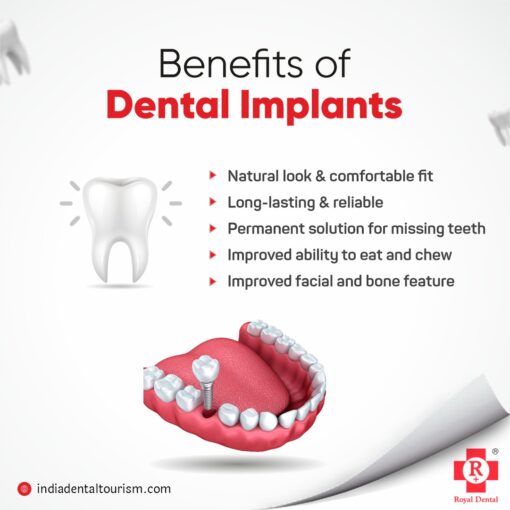
There are many benefits of dental implants, including the fact that they are a long-term solution to tooth loss. Unlike dentures, bridges, and other methods of tooth replacement; implants can last a lifetime and allow you to eat, speak, and smile. If you’ve been considering dental implants but you’re not sure if it’s right for you, here are some of the benefits:
- They are designed to look and feel like natural teeth, so you won’t have to worry about people noticing your missing teeth or the fact that you’re wearing dentures.
- It improved chewing ability: When you lose teeth, it can affect the way you chew food, especially if you’re using dentures. With dental implants, you can chew your food like you usually would without having to worry.
- Improved oral hygiene: Although the rest of your body needs proper oral hygiene for good health, your teeth and gums are especially important. Dental implants allow you to brush and floss as you normally would, which is crucial for good oral health.
- Improved confidence: No one wants to be self-conscious about their smile, and wearing dentures can make you feel this way. With dental implants, you can feel confident in your smile again.
How do Dental Implants work?
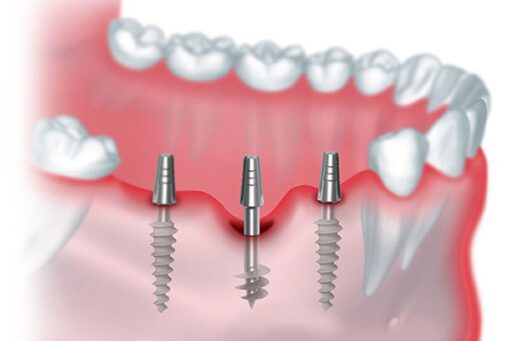
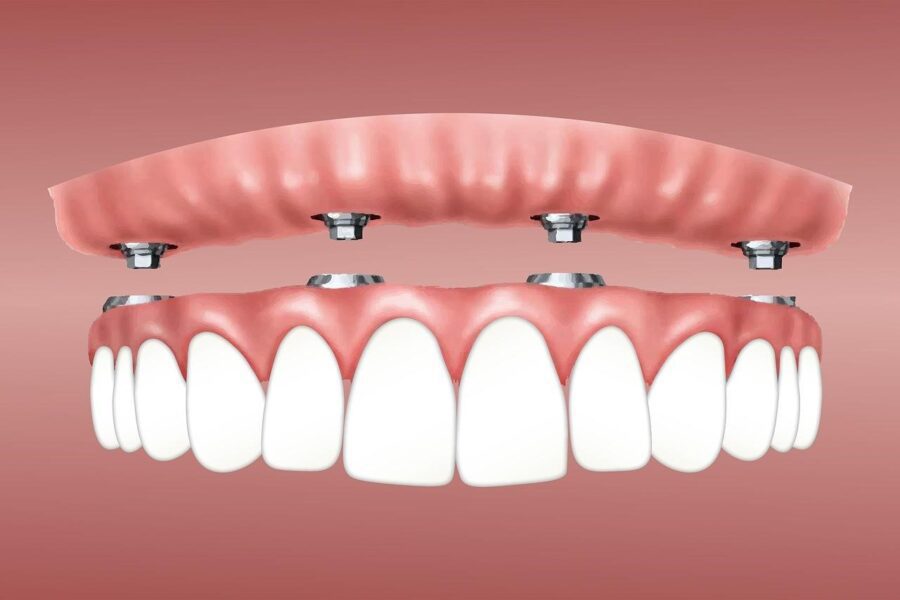
Dental implants are designed to be long-lasting, natural-looking tooth replacements. They’re surgically placed in your jawbone and act as a foundation for artificial teeth. They can support a bridge, a crown, or even a denture. When you lose teeth, your gums and jawbone tend to shrink over time, which can negatively affect your oral health. Teeth implants can help prevent this because the implants fuse to your jawbone, which helps maintain the bone’s natural volume. Dental implants are typically made of titanium, and they can last a lifetime if cared for properly.
Who is a good candidate for Dental Implants smile?
Anyone can benefit from dental implants, but it’s important to know that they’re not right for everyone. If you’re missing one or more teeth and want a long-term solution, dental implants could be a great choice for you. However, there are some factors that may make dental implants a better option than other types of tooth replacement.
If you’ve been diagnosed with diabetes, for example, you may be a good candidate for dental implants. This is because they can help prevent serious oral health issues like periodontal disease. If you’re interested in dental implants, it’s a good idea to meet your dentist to discuss options and find out if implants are the best choice for you.
How much do Dental Implants Smile Cost?
The cost of dental implants will vary depending on your situation and your dentist’s practices. While dental implants can cost upwards of $15,000, most dental insurance plans will cover some of the cost. If you lack dental insurance or don’t have coverage for implants, consider using a financing plan to help defer the cost of your dental implants.
Dental Implant Treatment and Care
The first step in dental implant treatment is to have the area around your jawbone cleared of bone loss and infection. This is done with a process called “re-alignment” or “re-contouring.” It can be done in an office procedure that’s similar to an oral exam and may include the use of a local anaesthetic. Once your jaw has healed, your dentist can place the implant. This is a surgical procedure that typically takes about 30 minutes per tooth. Your dentist will use an anaesthetic injection.
And you may be given antibiotics and pain medication to help manage any discomfort. Once the dental implant has been placed and the gums have healed. You can have an end fixture (an artificial tooth) placed on your implant. The dental crown would be placed over the implant on the same day.
Aftercare and Recovery
During the first few days after your dental implant procedure, you may experience some soreness, swelling, and bleeding. You may also have some numbness in your gums and face. Your dentist will likely prescribe antibiotics to help manage any infection and heal your gums. Make sure to follow your dentist’s instructions and get plenty of rest while your gums heal. During this time, you can use an ice pack to help reduce swelling and take ibuprofen if you experience significant pain.
The dental implant will fuse to your jawbone within three to six months. Which is a sign that the implant has become a part of your body. During this time, you can have an oral exam and get fitted for end fixtures (artificial teeth). Once your implant is fused to your jawbone. It’s important that you maintain proper oral hygiene and follow a healthy diet. Make sure to visit your dentist regularly for dental cleanings and exams.
Conclusion
Dental implants can do more than fill a gap in your smile. They can provide a stable foundation for replacement teeth, helping restore chewing function and, in suitable cases, improve the appearance of the smile after tooth loss. However, the quality of the final result depends on careful planning, healthy gums and bone, implant positioning and the design of the final restoration. If you’re considering implants, a personalised evaluation is the best way to understand whether they are right for you.
Frequently Asked Questions
Can dental implants really transform your smile?
Dental implants can replace missing teeth and support natural-looking restorations, potentially improving smile appearance and chewing function. The final result depends on your anatomy, gum health, implant position and crown design.
Will dental implants look like natural teeth?
A well-planned implant-supported crown can be designed to resemble the surrounding natural teeth. The final appearance depends on factors such as tooth shape, colour, gum contour and restoration design.
Can dental implants change the shape of my face?
Replacing multiple missing teeth may restore some of the dental support lost with tooth loss. However, the extent of any facial change varies and implants should not be presented as a facial-ageing treatment.
Can I get a new smile with dental implants in one day?
Some carefully selected patients may receive immediate fixed provisional teeth, but same-day treatment is not suitable for everyone. The final restoration may require additional healing time.
Are dental implants better than dentures?
Implants offer a fixed tooth-replacement option, while dentures are generally removable. Neither is universally better; the appropriate choice depends on your oral health, anatomy, treatment goals and budget.