
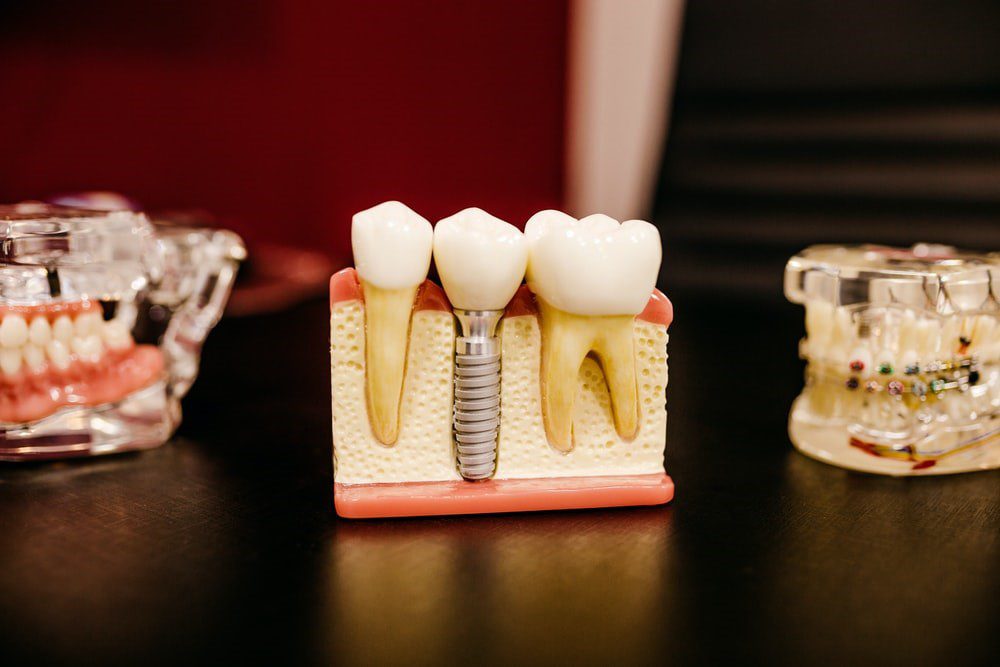
When you’re considering a dental implant to restore your smile, the most pressing question isn’t always about the procedure itself. Often, the main concern is a simple one: will people be able to tell? You want a smile that looks and feels completely natural—a restoration so seamless that it’s impossible to distinguish from your own teeth. The good news is that thanks to incredible advancements in modern dentistry, the answer to this question might be a pleasant surprise. This post will walk you through the factors that make a dental implant virtually unnoticeable, giving you the confidence that your new smile will be beautifully and discreetly yours.
What are Dental Implants?
Tooth implants are artificial teeth that are used to replace teeth that have been lost due to tooth decay, injury, or other medical conditions. Unlike bridges and crowns, implants do not require any external support, and as such, they are a more permanent solution to tooth loss. The most common reason patients choose to have implants is that they have a full set of healthy teeth that have been damaged by tooth decay or injury.
Are Dental Implants noticeable?
Dental implants are a popular solution for restoring missing teeth. Not only do they restore functionality, but they also look and feel like natural teeth. But one of the most common questions asked about dental implants is “are they noticeable?” The answer is yes and no. In some cases, implants can be noticeable, but with proper care, they are almost indistinguishable from natural teeth.
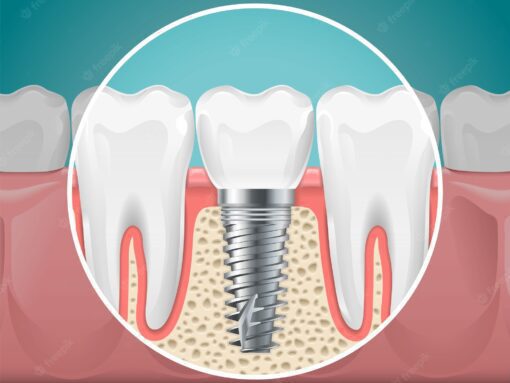
Tooth implants are made of titanium and resemble the shape of a natural tooth root. They are inserted into the jawbone, where they fuse with the existing bone over time. Once the implant is secure, a dental crown is attached to the top to complete the restoration. With proper care, dental screw can look and feel just like natural teeth.
Why are so many adults afraid to show their teeth?
If you’re one of the many people that has always been shy about showing their teeth, you might wonder if you are the only one. It turns out that there are a number of reasons why so many adults are hesitant to show their teeth. Some of the most common reasons include: – Fear of being teased due to gaps, missing teeth, or discoloration. As children, many of us experienced being teased or made fun of because of the way our teeth looked. This can leave lasting emotional scars that influence our self-confidence well into adulthood.
The desire to appear more mature. Many adults want to appear more professional and mature in order to earn more respect at work, in school, and in their personal life. Teeth that are discolored, have gaps, or are missing can make an adult appear younger, which can convey a lack of respectability. Dental work that has left someone feeling self-conscious. Be it a crown, a bridge, a filling, or other dental work, many people have had multiple dental procedures that have left them feeling self-conscious.
Implants are meant to be noticed, so why shy away ?
However, many people who have dental implants installed become self-conscious and shy away from showing their teeth because they notice the implants. When choosing dental implants, it is important to speak with your dentist about the specific type of implant and where it will be placed. This way, you can feel more confident knowing that your teeth will blend in seamlessly with the rest of your smile.
There are a few things that you can do to make your implants less noticeable, including: – Wearing a lip balm with SPF. This will protect your lips while also protecting the teeth around your mouth from the sun. – Avoid foods that stain teeth. Staining foods such as coffee, red wine, tea, berries, and turmeric can discolor the teeth around your mouth. – Wearing a retainer if you have installed dental implants. Retainers help keep your teeth in place and prevent them from shifting out of place.
Benefits of Dental Implant
- Implants can be used to restore teeth that have been lost due to tooth decay, injury, or other medical conditions.
- Implants can last as long as natural teeth, and they do not require any dental work to be done.
- Implants are a permanent solution to tooth loss and are durable.
- Implants are used to replace teeth that have been damaged by tooth decay or injury.
- Implants are used to treat dental issues such as missing teeth, crooked teeth, and bone loss.
- Dental implants are less expensive than dental bridges and crowns and can last for decades.
Some of the ways people hide their teeth when they’re shy
If you notice that you are starting to shy away from showing your teeth, it’s important that you try to address the problem before it leads to more serious issues later down the line. However, if you find that you are constantly hiding your teeth, there are a few things that you can do to fight against this shyness.
- Wear a retainer. If you are one of these people, you can use a retainer to help you feel more comfortable with showing your teeth. Retainers are not just for people with braces, though. Anyone who wants to feel more comfortable showing their smile can use a retainer.
- Smile more often. It can be difficult to break a habit, but if you are self-conscious about showing your teeth, you should try to smile as much as you can. This will help you get more comfortable with smiling, which in turn will help you get more comfortable showing your teeth.
- Address the root of the problem. If you are shy because of a traumatic experience in the past, you should seek professional help. Therapy can be incredibly helpful for people who have had negative experiences with their missing teeth.
Types of Dental Implants
- Endosteal: These are the most common type of implant and are placed directly into the jawbone. Endosteal implants are typically shaped like screws or cylinders and are used to support a single crown, bridge, or denture.
- Subperiosteal: These implants are placed under the gum but on top of the jawbone. Subperiosteal implants are used when there is not enough jawbone height to support endosteal implants.
- Mini: Mini implants are smaller than traditional endosteal implants and are used to support smaller restorations, such as a single tooth or a partial denture.
- Zygomatic: These are longer implants that are placed into the cheekbone rather than the jawbone. Zygomatic implants are used in cases where there is not enough jawbone to support traditional endosteal implants.
- All-on-4: This is a specific type of dental implant that uses just four implants to support a full arch of upper or lower denture.
- Immediate load: These are implants that can be loaded with a dental restoration immediately after placement, without the need for a waiting period for the implant to integrate with the jawbone.
How Dental Implants are placed?
With implants, a titanium rod is placed into the jawbone. It fuses with the surrounding bone over time and is strong enough to support a crown. Your dentist will place the implant into the jawbone behind your teeth. If you already have a crown on the tooth you are replacing, the implant will be placed behind the crown. Once the implant is in place, your dentist will attach a restoration, such as a crown over it.
How to care for Dental implants?
With implants, there are no concerns about brushing your implants and wearing your natural teeth at the same time. However, you should brush your teeth at least twice per day and floss to maintain healthy teeth and gums. Do not eat hard foods that are difficult to brush, as this can damage your implants and allow bacteria to form inside your implants, which is one of the main risks associated with implants.
If you wear dentures, you should remove them at night so that the implant does not get damaged by brushing against your teeth. Try to avoid using harsh brushing techniques as this can damage your implants. When you eat, try to eat soft foods that do not require a lot of chewing. This will help prevent dentures from getting damaged when you feed yourself.
Risks associated with Dental Implants
- Some people experience mild to moderate pain after implant surgery, but this shouldn’t last more than a few days.
- Implants can be dislodged or fall out. This happens when the jawbone around the implant is too weak to support the implant. If this happens, it’s best to get treatment right away to prevent further damage.
- Infection is another possible side effect of dental implants. It’s important to keep your implants clean and dry. If they become wet, dry them off immediately and see your dentist for proper cleaning.
- Implants can be damaged by certain medications. Make sure that you tell your doctor if you are taking any medications, including antibiotics, birth control pills, or statins.
Cost of Dental Implants
Tooth implants are an expensive treatment option, and they are only effective if they are placed in the right place in the jawbone. You may need to consider the cost of dental implants when planning restorations for your teeth. Destined to last a long time, dental implants are expensive. When compared to traditional dental restorations, implants tend to cost more, and they last longer. The average cost of a dental implant is $6,000. The more extensive the dental work you need, the higher the cost of implants will be. While dental implants are effective, durable, and long-lasting, they are expensive.
Alternatives to Dental Implants
With dental implants, there is a risk of the implant loosening and falling out. One of the most common alternatives to implants is dental bridges. These restorations are made of tooth-coloured materials, such as porcelain. They are anchored to the teeth on either side of the gap and are used to support the teeth and fill the space. Bridges are less expensive than implants and can last for 10 years or longer.
They are less durable than implants and are prone to cracking, chipping, and breaking. Another alternative to implant-based dental solutions is tooth-coloured fillings. This material is placed in the same way as a cavity filling and can be used to cover up dental issues, such as chips or cracks.
Conclusion
When it comes to dental work, implants are the most effective and long-lasting solution. With dental implants, you can smile confidently, laugh as much as you want, and live life to the fullest. Although there are some people who are shy about showing their teeth, there are a number of things that you can do to break the pattern and start being more confident about your smile. With dental implants, you can smile confidently, feel more comfortable showing your teeth and live life to the fullest.