
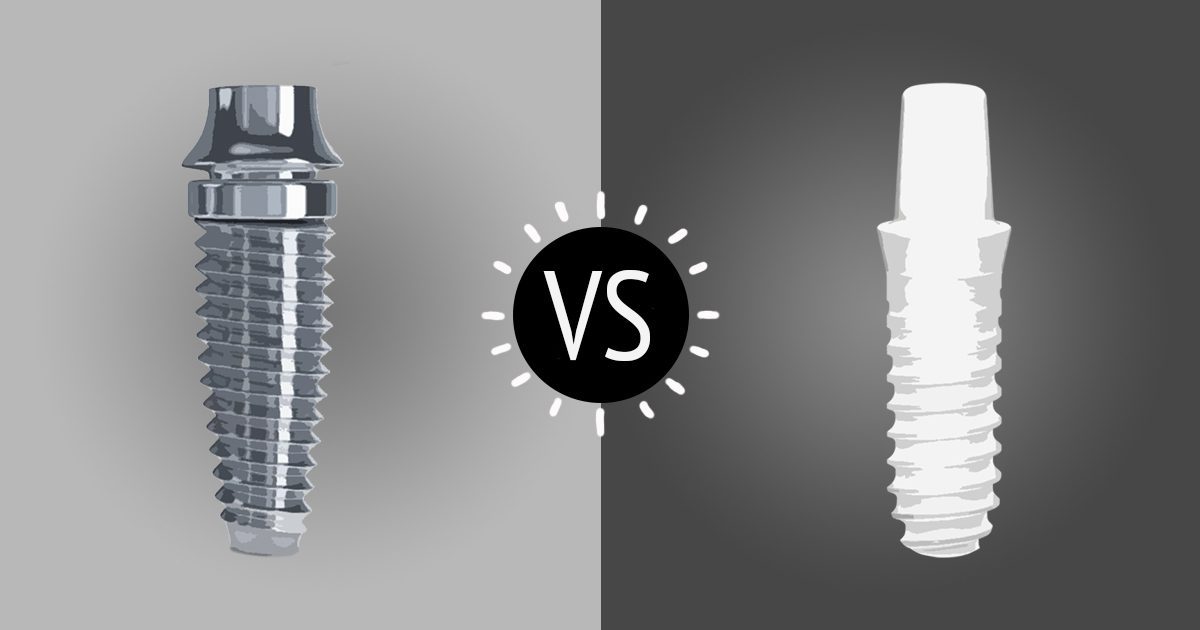
Dental implants are widely considered the gold standard for restoring a full and confident smile. But for a growing number of patients, the idea of a titanium post in their jaw raises questions about aesthetics, allergies, and long-term biocompatibility. If you’re seeking a solution that is as strong as it is natural-looking, a modern alternative has arrived. Metal-free implants, typically made from zirconia, are a revolutionary option that is changing the landscape of restorative dentistry. In this post, we’ll explore the compelling advantages of this innovative treatment and why it might be the perfect choice for your smile.
Benefits of metal-free dental implants
Metal-free dental implants have a lower rate of failure than traditional dental implants. The implant design is more stable, which reduces the risk of the device being rejected by your body. This significantly reduces the chance of needing a second implant surgery down the road. Many people experience fewer complications and issues with metal dental implants. These issues can include chronic infections, difficulty eating, and problems with the healing process.
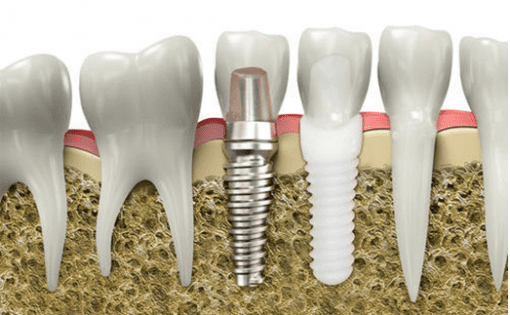
Metal-free dental implants, due to their design, are less likely to lead to these problems. These dental implants have a longer lifespan than traditional implants. This means you will have to replace your implants less frequently, saving you money in the long run. You will also likely experience less pain during the process, as the healing process is often easier with metal-free dental implants.
Advantages of metal-free dental implants
Allergy prevention – This is the first and main advantage that comes to mind. If you have an allergy, you will be glad to know that a metal-free dental implant will not trigger it. Less tooth tissue damage Even if you don’t have an allergy, you can still get some tooth tissue damage from metal dental implants. Metal-free dental implants will cause less of this in missing teeth.
Less risk of infection – Infection is one of the most common concerns with dental implants. It can come from the surrounding area or be inside a dental implant. Infection inside a dental implant is more likely with a metal dental implant.
Natural Look: Metal-free dental implants create a more natural appearance in patients with thinning gums. Zirconia implants are also strong and long lasting, like their titanium counterparts. These implants integrate effectively into the bone, withstand biting forces, and provide beautiful, natural looking results.
Why do dental implants have metal?
The reason dental implants contain metal is that it provides strength and stability. The dental implant rests above the gum line, but a tooth root (where the tooth is rooted in the jaw) goes below the gum line. Metal allows the dental implant to sit securely in position, providing the strength needed to support a new tooth.
Since dental implants are placed below the gum line, it can be difficult for the body to heal the site. This can increase the risk of the implant being rejected, as well as chronic infection or other complications. A metal implant helps the body heal faster, which reduces the risk of complications occurring.
How do metal-free dental implants work?
Metal-free dental implants are made of a biocompatible material. This material has similar properties to what your jawbone is made of, allowing the implant to blend in and be accepted by your body as part of your natural system. This gives the implant the strength and stability it needs to support a tooth while being less likely to cause complications in the long run.
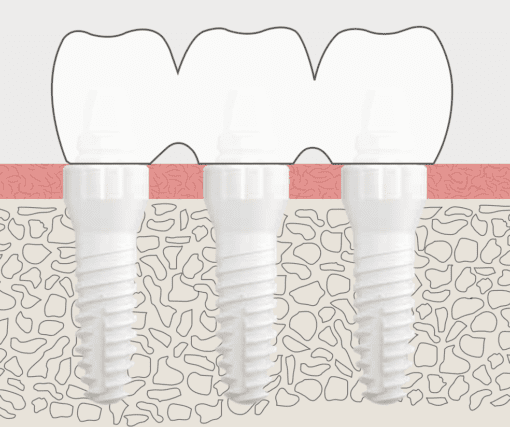
Metal-free dental implants typically have a larger diameter than traditional implants. This gives the device a wider surface area to attach to your jawbone, further strengthening the implant and improving its stability. Metal-free dental implants also have a narrower stem. This item is used to connect the implant to a false tooth placed above the gum line. The stem is smaller than a traditional implant stem, making it less likely to cause issues such as bone resorption, which is when the bone surrounding the implant shrinks.
Benefits of metal-free dental implants
- A lower rate of failure – As mentioned, many metal dental implants experience a higher rate of rejection than metal-free dental implants. This means they are more likely to need to be removed, which can be painful and uncomfortable.
- Fewer complications – Metal-free dental implants are less likely to lead to chronic infections or other complications. This means your implants will last longer, whereas regular dental implants may need to be removed within a few years.
- Longer lifespan – Metal-free dental implants tend to last longer than regular dental implants. This may mean you don’t need to replace them as often, saving you both time and money in the long run.
Benefits of regular dental implants
- A faster healing process – One of the reasons dental implants contain metal is that it helps the body heal faster.
- Fewer overall surgeries – Many patients need more than one dental implant, whether due to the device being rejected by the body or because the patient lost bone around the implant, causing the device to shift and move out of place.
Conclusion
Metal-free dental implants can help reduce complications and issues that many patients experience with regular implants. This makes them a better option for certain patients, especially those with conditions that make regular implants problematic. If you are having dental implants put in, it is important to discuss your options with your dentist. They will be able to help determine which type of implant would be best for you.