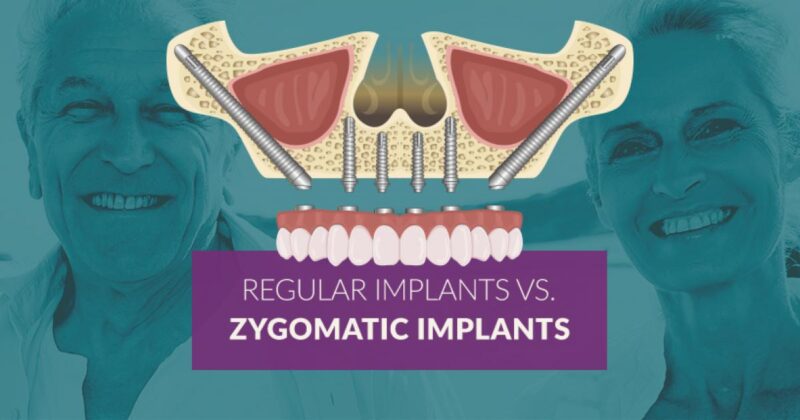
Zygomatic dental implants are dental implants with anchorage in the zygomatic arch. These implants function to hold dentures securely in place, which can be useful for those who do not have the ability to keep their dentures clean, for example. However, the use of these implants does not come without risks. This article will discuss the effectiveness of zygomatic dental implants, risks, and benefits.
Who Is This Article For?
- Have severe or advanced bone loss in the upper jaw.
- Have been told that conventional dental implants are not possible.
- Have experienced a failed upper-jaw bone graft or failed implants.
- Have difficulty eating with a loose removable denture.
- Want to understand whether fixed teeth are possible without extensive grafting.
- Are comparing zygomatic implants with other full-arch implant options.
What are Zygomatic Dental Implants?
Zygomatic dental implants are dental implants with anchorage in the zygomatic arch. These implants function to hold dentures securely in place, which can be useful for those who do not have the ability to keep their dentures clean, for example. However, the use of these implants does not come without risks. This article will discuss the effectiveness of zygomatic dental implants, risks, and benefits.
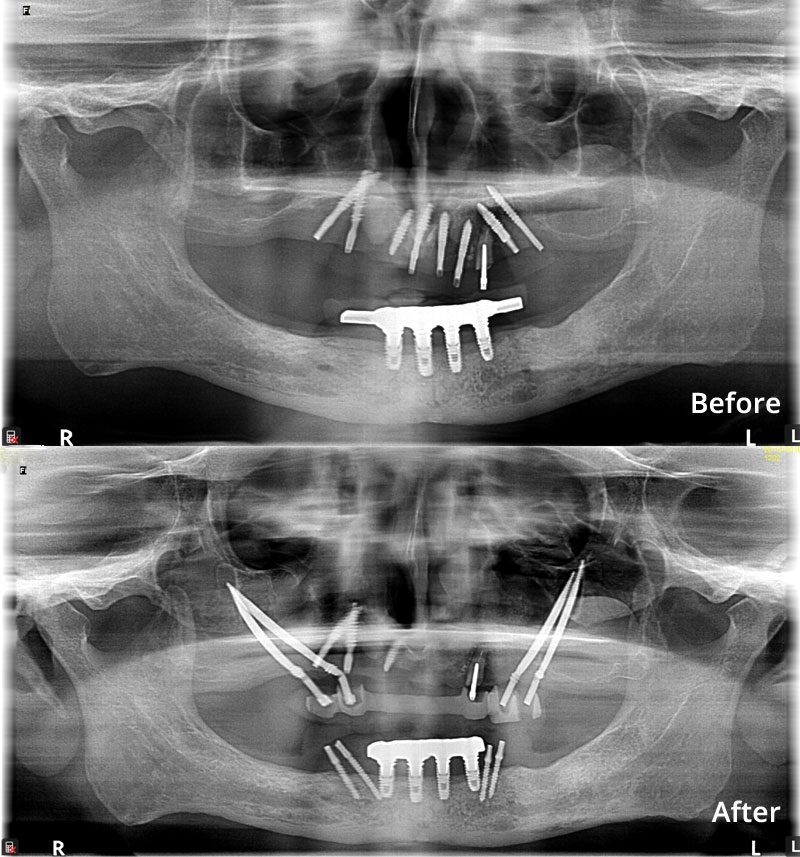
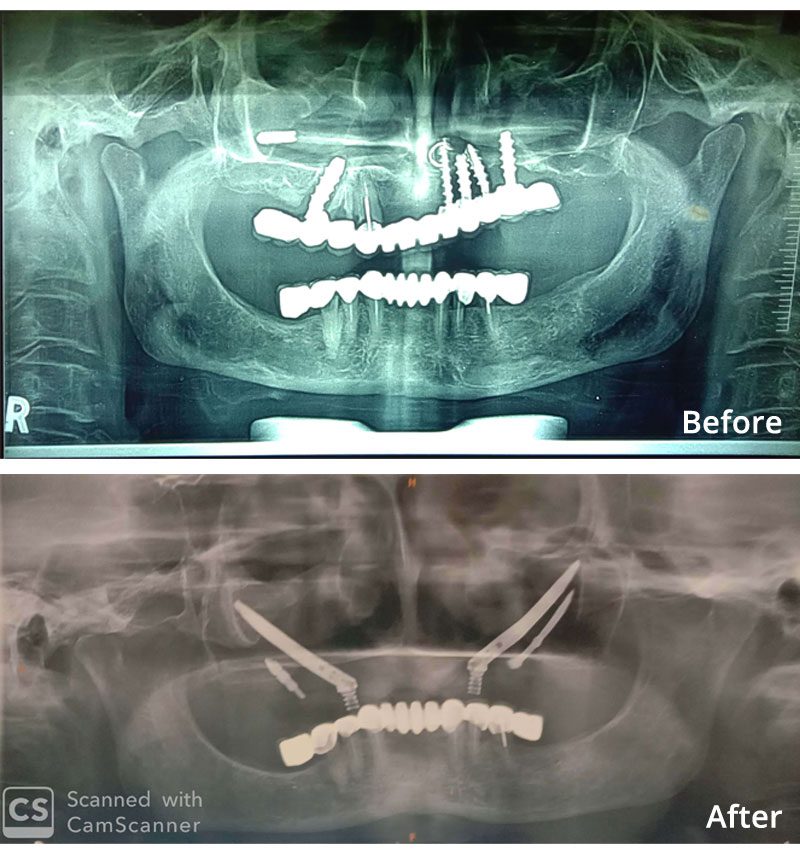
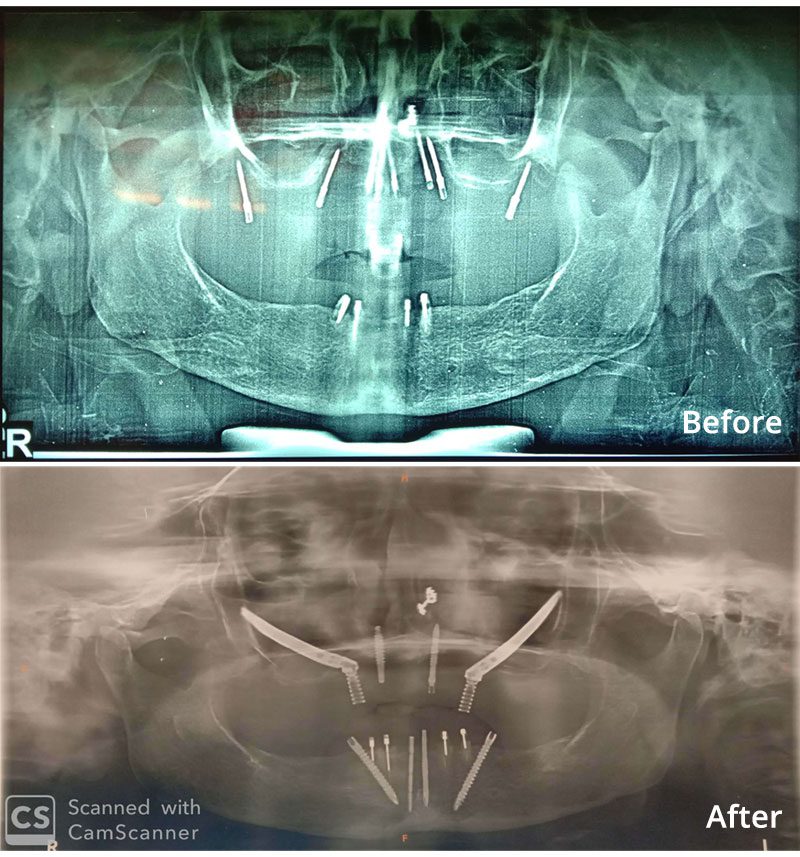
The effectiveness of zygomatic implants varies greatly depending on the individual. Some people will have great success with these dental implants, while others will see no benefit at all. The success of a patient’s zygomatic dental implants will depend on a few things. The first is the patient having a healthy, properly functioning mandible. The second is the patient having healthy teeth and gums. If the patient has any gum disease, crooked teeth, or other health issues, these implants may not be effective.
Risks of Zygomatic Dental Implants
Zygomatic implants are relatively new, and their long-term effects ongoing researched. As of the time of writing, there are no conclusive studies proving the effectiveness of the implants in long-term use. Although there are no risks using these dental implants, there may be some short-term risks. One of the most common risks of these dental implants is infection. If the implant is not placed properly or if the bone around the implant is too weak, the implant could become infected. This can spread beyond the implant and cause serious damage to surrounding bone. If you are considering these implants, it is important to get a professional opinion before implantation.
Who May Not Be Suitable for Zygomatic Implants?
- Active or uncontrolled sinus infection.
- Untreated oral or dental infection.
- Uncontrolled medical disease.
- Unfavourable cheekbone anatomy.
- Severely restricted mouth opening.
- Poor ability to maintain oral hygiene.
- Heavy smoking without willingness to reduce or stop.
- Certain medications or previous treatments affecting bone healing.
Zygomatic Dental Implants and SAPTeethTM Crown
- Secure Attachment of Denture: One of the most common uses for zygomatic dental implants is to secure dentures made in SAPTeethTM in place. When a person does not have enough bone to secure a denture, these implants can be used to anchor the denture in place.
- Reduced Plaque Build-up: Because the implants function to anchor dentures in place, they can help with plaque build-up. Because the implant holds the denture in place and provides a secure attachment, fewer bacteria can get to the teeth and cause plaque build-up.
- Improved Oral Hygiene: While zygomatic dental implants are not a cure-all for poor oral hygiene, they can help some people who do not have the ability to keep their dentures clean. Because gums and teeth are less likely to become damaged with these dental implants, better oral hygiene is possible
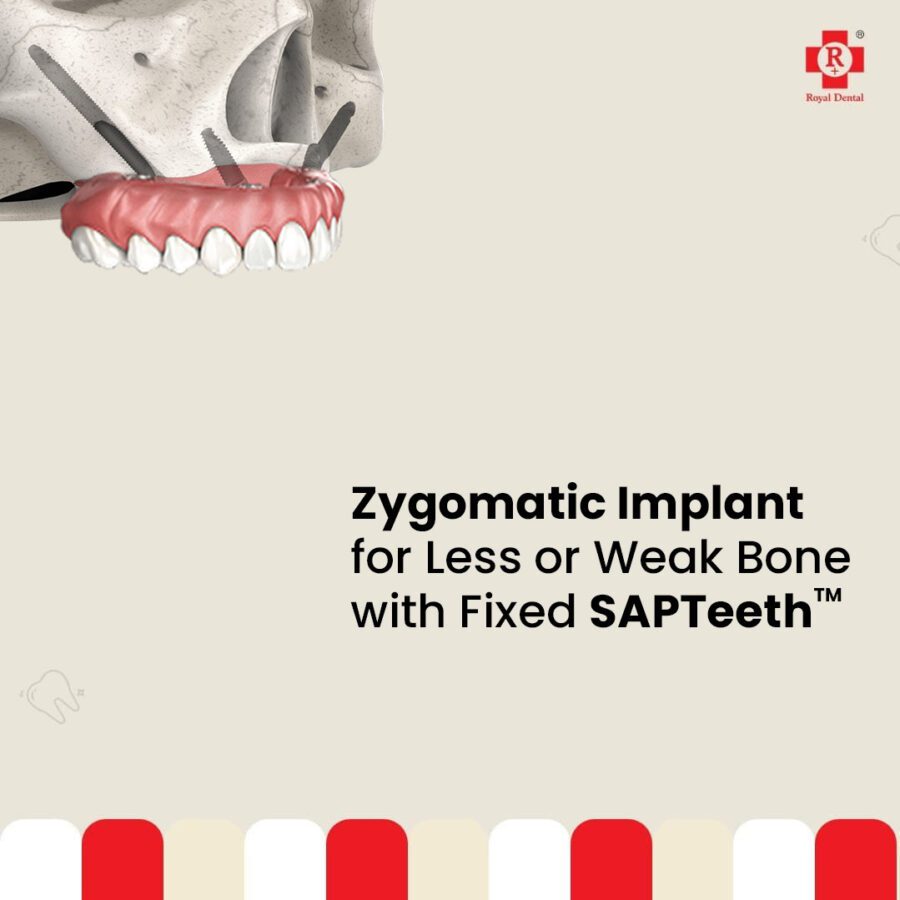
There are also risks associated with using these dental implants. If the implant is not placed properly or if the bone around the implant is too weak, the implant will become infected. When this happens, the infection can spread beyond the implant and cause serious damage to surrounding bone. This is why it is so important to get a professional opinion before using these implants.
What Is the Effectiveness of Zygomatic Dental Implants?
Zygomatic dental implants are considered an effective treatment for selected patients who have severe bone loss in the upper jaw and cannot receive conventional dental implants without extensive bone grafting. Unlike regular implants, which obtain support from the jawbone, zygomatic implants are longer and anchored into the stronger zygomatic or cheekbone. This allows them to support a fixed dental prosthesis even when very little upper jawbone remains.
Scientific evidence reports a mean long-term zygomatic implant survival rate of approximately 96%. An International Team for Implantology consensus review reported mean implant survival of 96.2% over an average follow-up of 6.3 years. Another systematic review reported long-term survival of approximately 96.5% over an average follow-up of more than seven years.
However, implant survival is only one measure of effectiveness. A successful treatment should also provide comfortable chewing, stable fixed teeth, acceptable speech and appearance, healthy surrounding tissues and manageable long-term maintenance.
When evaluating effectiveness, the surgeon should consider:
- Implant survival: The implant remains securely anchored and continues to support the prosthesis.
- Prosthesis survival: The fixed bridge remains usable. Parts of the prosthesis may occasionally require repair, adjustment or replacement even when the implants remain healthy.
- Biological health: The gums, sinus and surrounding tissues remain free from persistent infection or inflammation.
- Function: The patient can chew and speak more comfortably than with missing teeth or an unstable removable denture.
- Patient satisfaction: The final teeth should provide acceptable comfort, appearance and confidence while remaining practical to clean and maintain.
Therefore, “96% survival” should not be interpreted as a promise of perfect or maintenance-free teeth.
Can Zygomatic Implants Provide Fixed Teeth in One Day?
In selected cases, zygomatic implants can support immediate fixed provisional teeth. The implants and the temporary prosthesis may be placed during the same treatment visit or within a short period. Same-day teeth do not mean that biological healing has finished. The implants still require time to integrate with the bone, and the patient generally needs to follow a modified diet and cleaning protocol during healing. Immediate loading depends on:
- Implant stability at placement.
- The number and position of implants.
- Distribution of biting forces.
- Quality of the prosthetic framework.
- Absence of uncontrolled infection.
- The patient’s medical condition and habits.
Are Two or Four Zygomatic Implants More Effective?
The number of zygomatic implants required depends on how much usable bone remains in the front part of the upper jaw. Some patients may receive two zygomatic implants combined with two or more conventional implants. Patients with extremely limited upper-jaw bone may require four zygomatic implants, commonly called a quad-zygoma approach.
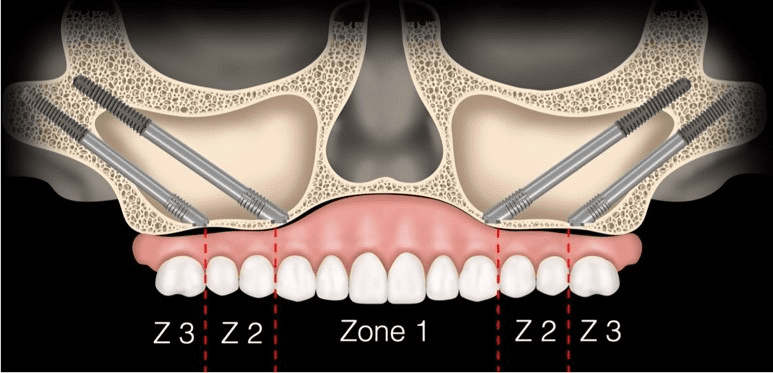
A 2024 systematic review found high survival with both approaches. It suggested that two zygomatic implants combined with two conventional implants may have favourable survival and sinus outcomes compared with quad zygoma, but the differences were not statistically conclusive and the available studies were heterogeneous. The authors called for more high-quality clinical trials. The correct approach should therefore be selected according to the patient’s anatomy rather than choosing a standard number of implants for everyone.
What Factors Influence the Effectiveness of Zygomatic Implants?
- Accurate CBCT-based planning
- Condition of the maxillary sinus
- Experience of the surgical team
- Prosthetic design
- Oral hygiene and maintenance
- Smoking and general health
- Follow-up care
How Long Do Zygomatic Dental Implants Last?
Research supports favourable medium- and long-term implant survival, with pooled figures of approximately 96% over average follow-up periods exceeding six years. Some implants remain functional considerably longer, but no implant should be described as permanent or guaranteed for life. Longevity depends on:
- Implant positioning and integration.
- General and oral health.
- Sinus health.
- Smoking habits.
- Cleaning and professional maintenance.
- Bite forces and teeth grinding.
- Prosthesis design and material.
- Attendance at follow-up appointments.
The fixed teeth attached to the implants may require maintenance or replacement earlier than the implants themselves.
Is a Zygomatic Implant Worth Considering?
Zygomatic implants can be highly valuable for patients who have severe upper-jaw bone loss and want fixed teeth but have limited conventional implant options. Their main advantage is not simply that they are longer implants. Their value lies in providing a graftless or reduced-grafting treatment route for carefully selected complex cases.
Conclusion
Zygomatic dental implants have demonstrated high long-term survival of approximately 96% and can be an effective option for selected patients with severe upper-jaw bone loss. They may help avoid extensive grafting and can sometimes support immediate fixed provisional teeth. However, the effectiveness of treatment depends on more than the survival of the implant. Proper diagnosis, sinus assessment, CBCT planning, experienced surgical care, prosthetic design and long-term maintenance all contribute to the final outcome. At Royal Dental Clinics, Mumbai, patients considering zygomatic implants can undergo a detailed clinical and CBCT evaluation. The consultation should explain the suitable treatment options, expected benefits, possible risks, timeline and long-term maintenance before any decision is made.
Frequently Asked Questions
What is the success rate of zygomatic dental implants?
Systematic reviews report long-term implant survival of approximately 96%. Individual results vary according to anatomy, health, surgical planning, prosthetic design and maintenance.
Are zygomatic implants more successful than bone grafting?
Neither treatment is universally better. Zygomatic implants may offer a more direct treatment route in severe bone-loss cases, while bone grafting may be appropriate for other patients. The decision depends on anatomy and treatment objectives.
Can zygomatic implants fail?
Yes. Although failure is uncommon, an implant may fail to integrate or may develop biological or mechanical complications. Early diagnosis and regular follow-up are important.
Can I get fixed teeth immediately after zygomatic implants?
Some patients can receive a fixed provisional bridge on the same day. Immediate loading depends on implant stability, bite distribution, health and the treatment plan.
Are zygomatic implants effective for elderly patients?
Age alone does not determine suitability. General health, medication, sinus condition, bone anatomy, hygiene ability and surgical fitness are usually more important than chronological age.
Do zygomatic implants require bone grafting?
They are specifically designed to reduce or avoid extensive upper-jaw bone grafting in suitable patients. Small additional procedures may still be required in certain cases.
Are zygomatic implants painful?
The surgery is performed under appropriate anaesthesia or sedation. Swelling, bruising and discomfort may occur afterwards, but these can generally be managed with prescribed medication and postoperative care. Experiences vary between patients.
How should zygomatic implants be maintained?
Patients need daily cleaning under and around the fixed bridge, professional hygiene visits, bite reviews and periodic clinical or radiographic assessment.