
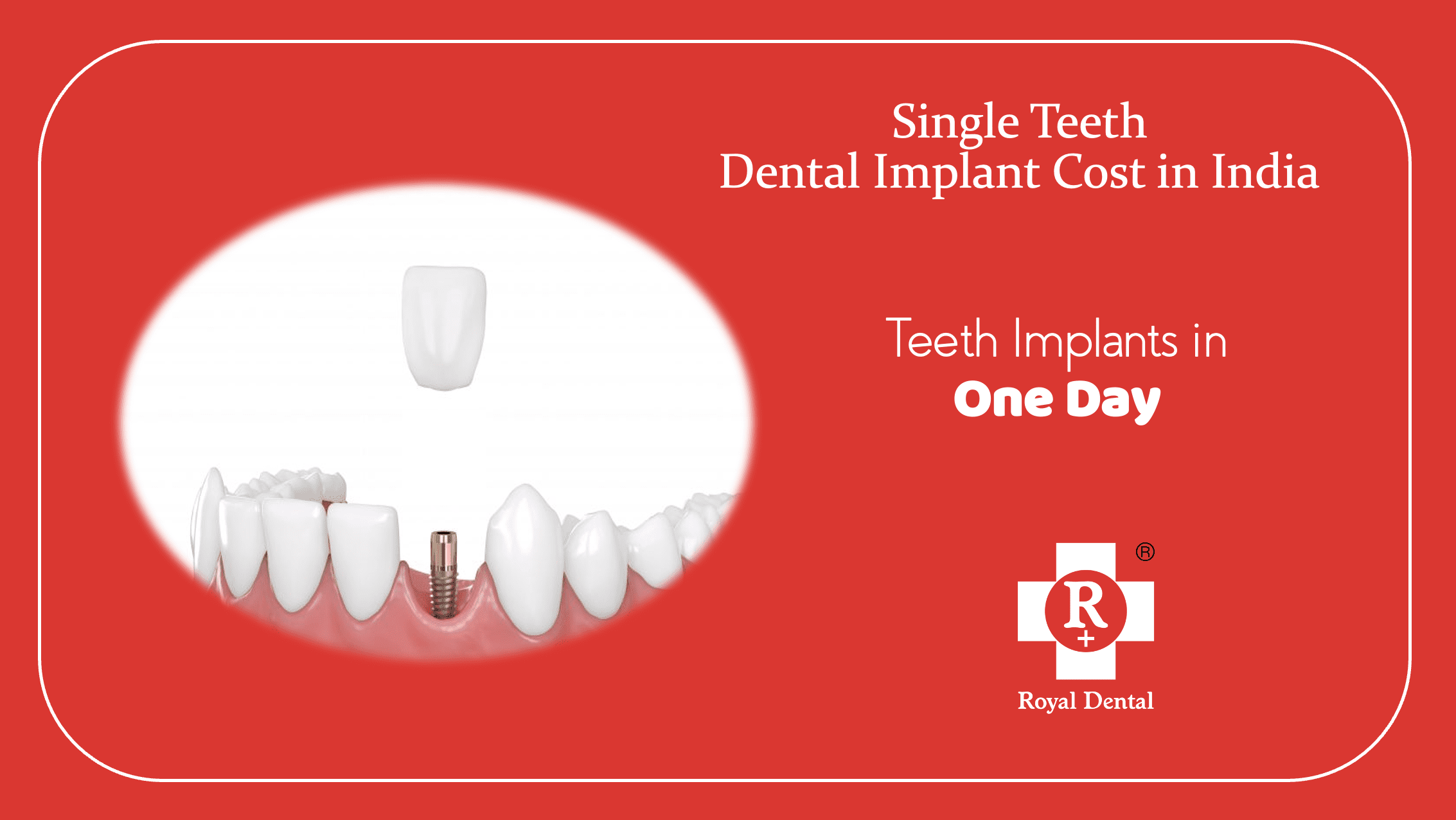
Dental implants are the perfect solution for missing teeth. They are the most successful long-term option for replacing a single tooth or multiple teeth. Implant-supported restorations are strong, stable, and long-lasting. They’re also nearly impossible to detect—even by those who know you best. With an implant, it’s possible to eat normally again and restore your smile so that it looks natural and feels comfortable.
They are small titanium posts that can be placed into your jawbone at Dentist in Mumbai to help support artificial teeth called crowns or bridges. Using them can help you avoid getting dentures one day. Here is everything you need to know about dental implants before scheduling a consultation with your dentist.
Who is This Article for?
This article is for patients who are new to dental implants and want to understand what a dental implant is and how it works before booking a consultation.The blog explains how implants replace the tooth root, support crowns or bridges, fuse with the jawbone, and help restore chewing, speech, smile appearance, and long-term oral function. It is also useful for patients who want to know about implant cost, benefits, risks, and whether they are the right candidate before planning treatment.
What is a Dental Implant?
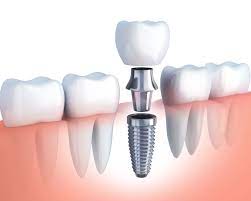
A dental implant is a surgical option that replaces the root of a tooth. The implant surgically placed in the jawbone, and then a crown placed on top of the implant to restore the tooth. They are the best option for missing teeth because they are permanently placed and do not move like dentures do.
Implants are not just a replacement for teeth, but they are maintained by the surrounding gum tissue, as well. They are titanium posts that are surgically placed into your jawbone. They held in place by the bone that grows around them as a natural process called osseointegration. The implant root of a tooth that anchored your jawbone.
Dental implants are the perfect solution for missing teeth
First, your dentist will make an incision in your gums to expose the bone. They will then drill a hole in the bone and place the implant into the hole. The implant will fuse with the bone over time and create a stable foundation for an artificial tooth to be placed on top of it. When the artificial tooth is placed on top of the implant, the surrounding gum tissue will also grow around it and create a secure and stable attachment.
Who is a good candidate for replacing teeth?
If you’re missing one or more teeth and are looking for a long-term solution, dental implants may be right for you. Success rates for implants are extremely high and can be an excellent solution for replacing one or multiple teeth. Individuals who are good candidates for dental implants may include those with.
How much do they cost?
The cost of implants varies depending on the complexity of the procedure, the number of teeth being replaced, and your location. According to the American Academy of Implant Dentistry, the average cost of a dental screw is $4,000. The average cost of a single dental screws is $2,500 to $3,000. The cost of a dental implant is often covered by dental insurance, and you can also look into financing dental implants through a dental financing company.
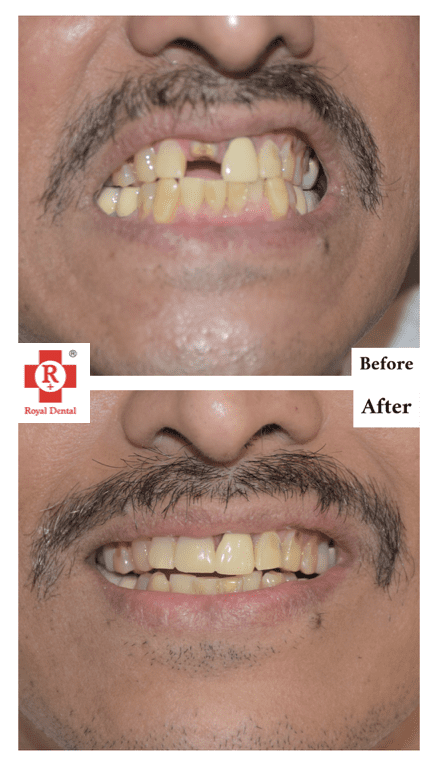
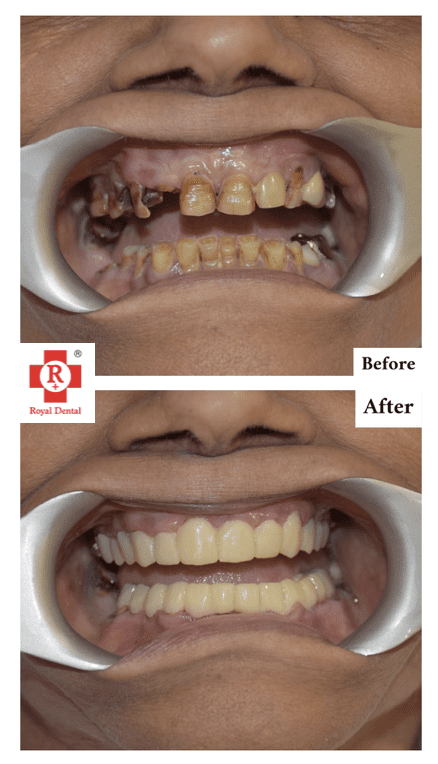
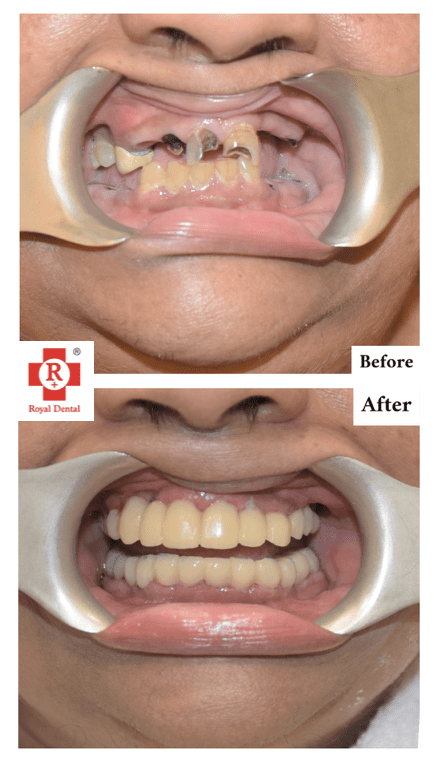
Success for replacing teeth!
Natural appearance. They look and move just like natural teeth. They can be used to replace a single tooth or several teeth and are designed to blend in with the surrounding teeth as they are restored with a crown.
Long-lasting. They fuse with the surrounding tissue immediately, and can last for decades. They are more durable than dentures and can help you avoid future dental procedures.
Less risk of infection. When teeth are missing, there is an increased risk of developing gum disease and other oral health complications. Implants can decrease your risk of infection, which can help decrease inflammation and discomfort in the mouth.
Improved chewing ability. Dental implants can improve your ability to chew food, which can improve your nutrition and overall health.
Improved speech. Dental screws can improve speech and reduce embarrassment caused by speaking with dentures that don’t fit properly.
Reduced risk of bone loss. When teeth are missing, the jawbone can begin to shrink and is at a higher risk of breaking. Implants can help prevent bone loss and promote healthy bone growth.
Cons of Dental Implants
Possible discomfort. Getting dental implants may require a surgical procedure to place the implant in the jawbone. During the healing period, you may experience some discomfort or pain.
Cost. Dental implants are a long-term investment and can be costly. You may need to take out a loan to cover the cost of dental implants or be prepared to pay for them over time through dental insurance.
Increased risk of infection. The surgical incisions used to place dental implants and the bone augmentation used to help fuse the implant may increase your risk of infection.
Conclusion
The best way to determine if dental implants are right for you is to schedule a consultation with a dental professional. During the consultation, your dentist will examine your mouth, discuss your options, and help you make a plan for dental implants. You can also read articles like this one to learn more about dental implants and make an informed decision. Now that you know what dental implants are and how they work, it’s time to schedule a consultation with your dentist to determine if dental implants are right for you.
FAQs
1. What is a dental implant?
A dental implant is a small artificial tooth root that is placed in the jawbone to support a crown, bridge, or fixed teeth. It is used to replace one or more missing teeth and restore chewing function, speech, and smile appearance.
2. How does a dental implant work?
A dental implant works by bonding with the jawbone over time. Once the implant becomes stable, a dental crown or prosthetic tooth is fixed over it, helping the patient chew, speak, and smile more comfortably.
3. Who is the right candidate for dental implants?
Patients with missing, damaged, decayed, or failing teeth may be suitable candidates for dental implants. The dentist will check the gums, jawbone, bite, medical history, and overall oral health before planning treatment.
4. Are dental implants painful?
Dental implant treatment is usually done under local anaesthesia, so patients should not feel pain during the procedure. Mild swelling or discomfort may occur after treatment, which is usually managed with medicines and proper care instructions.
5. How long do dental implants last?
Dental implants can last for many years when they are planned properly and maintained well. Their long-term success depends on oral hygiene, bone support, gum health, bite pressure, lifestyle habits, and regular dental follow-ups.
6. Are dental implants better than bridges or dentures?
Dental implants may offer better stability and chewing comfort for many patients because they are fixed in the jawbone. However, the best option depends on the patient’s oral condition, bone support, budget, and treatment goals.