

Pinhole Surgical Technique in Implant Dentistry and Periodontics is a minimally invasive procedure where dental implant can be placed in few minutes. Unlike bone grafting and gum cutting, this process begins by creating a tiny pinhole in your gums and placing the implant. Once the pinhole has been created, we place a device into the hole. It takes approximately 10-20 minutes to treat the tissue for a single tooth, and typically the entire procedure can be completed in about one to two hours.
Implant placement with Pinhole Technique is a less invasive dental implant approach that may help selected patients replace missing teeth with minimal gum opening. This technique can be useful for patients who are worried about gum cutting, stitches, swelling, bone grafting, or long treatment time, but it should always be planned after CBCT scan evaluation, bone assessment, gum check-up, bite analysis, and clinical consultation.
Who is this Article for?
This article is for patients who have missing teeth and want to understand whether dental implants can be placed with a less invasive approach using the pinhole technique.
The blog helps patients understand that implant placement with the pinhole technique, graftless options, or same-day fixed teeth may be possible in selected cases, but the final treatment plan depends on CBCT scan findings, bone support, gum health, sinus position, bite condition, medical history, and clinical evaluation.
How does Pinhole Implant correction work?
The Pinhole Surgical Technique is a procedure in which specialised instruments are used to make a small pinhole in your gums. This is then drilled with the single stage immediate loading implant. This new method is simple, suture-free, and minimally invasive.
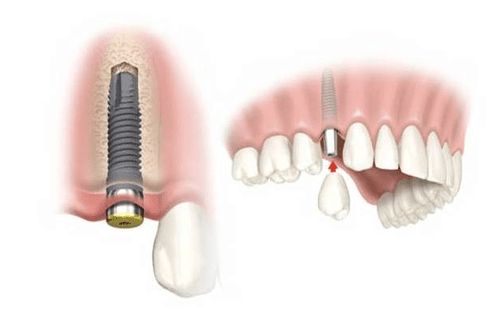
Flapless implant placement is a surgical approach in which the dental implant is inserted without raising a conventional gum flap. A small opening is created through the gum tissue, and the implant site is prepared within the underlying bone. This technique may reduce tissue handling and stitches in selected patients. However, the dentist has limited direct visibility of the bone, so careful examination, three-dimensional imaging and accurate implant positioning are particularly important.
Is the Dental Implant Placement with Pinhole Technique painful?
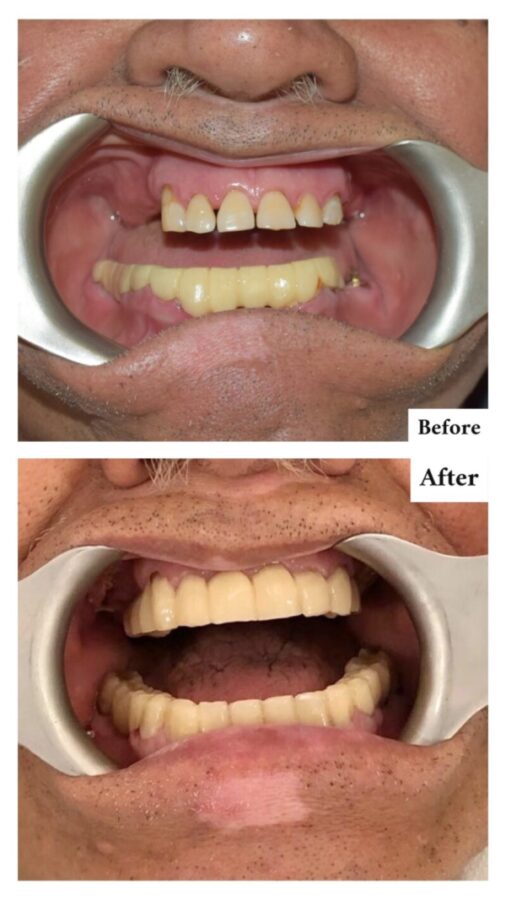
Unlike the traditional technique for gum surgery, typically bone grafting, an invasive surgery with cutting of gums etc. Now, dental implants with fixed teeth is possible in one day. The cost of pinhole gum surgery can range anywhere from $2500 to $5,000 per jaw. The average cost for this abroad is $15000 – $ 18000. Where the cost falls within that range for one patient depends on a few different factors.
How is the Pinhole Technique performed?
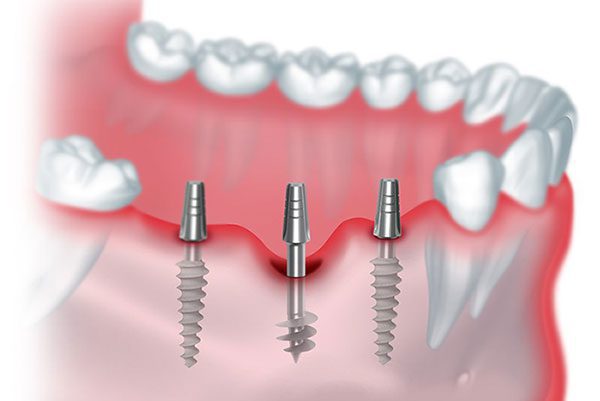
Pinhole implant technique is performed under topical anaesthesia and takes about 30 minutes. The doctor places the implants and over it makes a dental framework in polymer material to reduce the shock on the implant. If there is tooth sensitivity present due to receding gums, but the cause is not due to an active gum disease, a person can opt for this implant surgery.
What are the benefits of the Pinhole Technique?
- It is a convenient, non-invasive procedure with minimal discomfort and no side effects.
- It is a one-time procedure that permanently corrects missing teeth with success of 95% in 5 years.
- There is minimal risk of infection since there is not much incision and stitches are not required.
Is Flapless Implant Surgery the Same as the Pinhole Technique?
No. The term Pinhole Surgical Technique is commonly associated with procedures used to manage gum recession by repositioning gum tissue through a small access opening. Flapless implant surgery is a different procedure. It refers to placing a dental implant without lifting a full gum flap. Calling flapless implant placement a pinhole gum-recession procedure may confuse patients and should be avoided.
Who May Be Suitable for Flapless Implant Placement?
Flapless placement may be considered when there is adequate bone width and height, healthy gum tissue and a clearly planned implant position. A CBCT scan may be used to assess the bone, neighbouring teeth, sinus and nerve structures. It may not be suitable when bone grafting is required, the available bone cannot be assessed reliably, gum tissue needs correction or the surgeon requires direct access to inspect and reshape the bone.
What Are the Benefits and Limitations?
Possible benefits include a smaller gum opening, fewer or no stitches, reduced bleeding and potentially less postoperative discomfort. However, flapless surgery is not automatically safer or better for every patient. Because the bone is not directly exposed, inaccurate angulation or positioning may occur when planning and execution are inadequate. The surgeon should be prepared to change to an open-flap approach when direct visibility or bone management becomes necessary.
Can Flapless Implants Support Same-Day Teeth?
A flapless implant may sometimes receive a temporary crown or fixed bridge on the same day when adequate primary stability and favourable bite conditions are achieved. Flapless placement and immediate loading are separate decisions. An implant may be placed flaplessly but still require healing before receiving a tooth. Likewise, immediate loading may sometimes be performed using an open-flap approach.
Can Teeth Be Fixed on the Same Day?
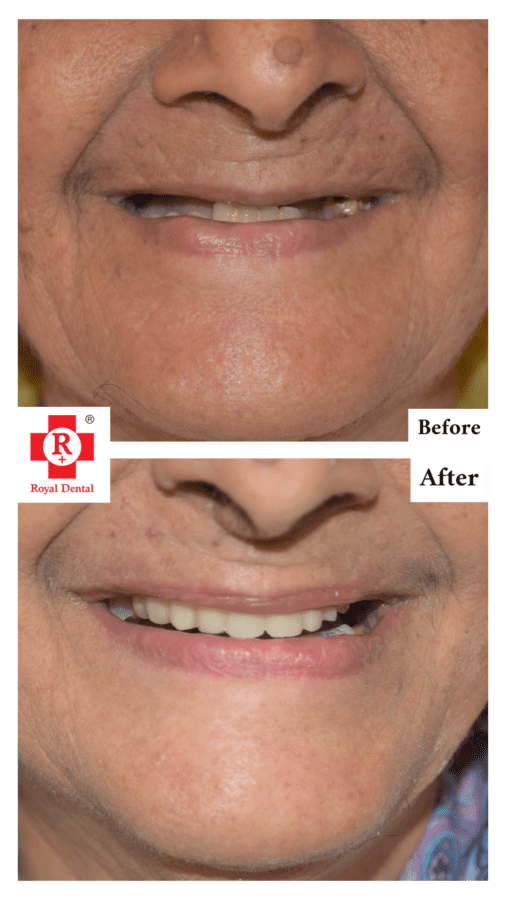
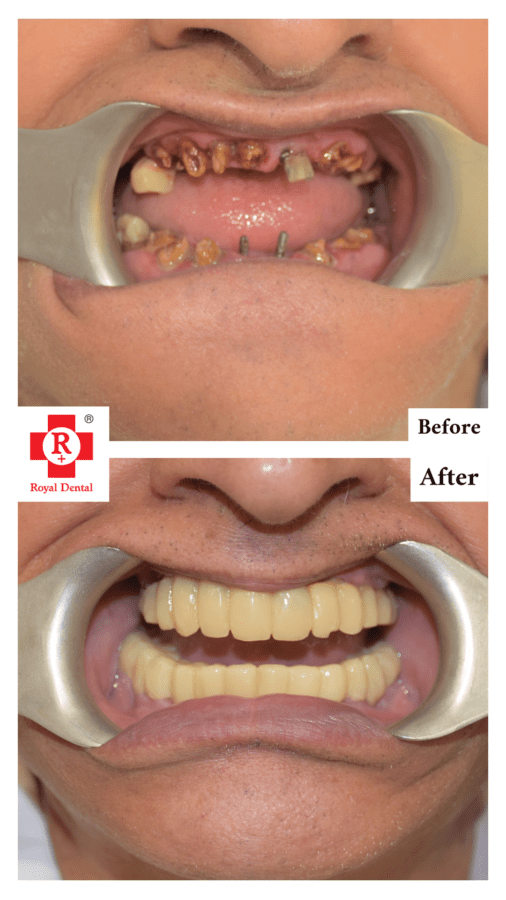
Some graftless full-arch treatments may support fixed provisional teeth on the day of implant placement when adequate primary stability and favourable bite conditions are achieved. The first bridge may be temporary while the implants continue integrating with the supporting bone. Same-day loading is possible for most patients. The final decision is made during treatment based on implant stability, bone quality and the clinician’s ability to control pressure on the new teeth.
Conclusion
Implant placement with the pinhole technique may be a helpful option for selected patients who want dental implants with a less invasive approach. It can reduce the need for larger gum cutting in suitable cases and may help patients feel more comfortable about implant treatment.
At Royal Dental Clinics, every implant case is planned after consultation, CBCT scan evaluation, bone assessment, gum check-up, bite analysis, and medical history review. The right technique depends on the patient’s oral condition, missing tooth area, bone support, sinus position, and long-term treatment needs.
Frequently Asked Questions
1.Are flapless dental implants completely painless?
No dental surgical procedure can be guaranteed to be painless. Local anaesthesia is normally used during implant placement. Some patients may experience less swelling or discomfort after flapless surgery, but postoperative symptoms vary.
2.Are stitches required after flapless implant surgery?
Stitches may not be required when the implant is placed through a small tissue opening. However, stitches may still be needed if the opening is enlarged, gum tissue is adjusted or the procedure is converted to an open-flap approach.
3.Is flapless implant surgery suitable when there is very little bone?
Not necessarily. Flapless surgery requires sufficient and accurately assessed bone around the planned implant. Patients with significant bone loss may require grafting, another implant position or an advanced graftless approach.
4.Is a CBCT scan required for flapless implant placement?
A CBCT scan is commonly used when three-dimensional evaluation of the bone and nearby anatomical structures is required. The dentist will decide the appropriate imaging after clinical examination.
5.Is flapless implant placement safer than conventional surgery?
It may reduce tissue handling in suitable cases, but it is not automatically safer. Limited visibility of the bone can increase the importance of accurate planning, surgical experience and correct implant positioning.
6.Can the final tooth be fixed immediately?
Selected patients may receive a provisional tooth on the same day when the implant achieves adequate stability. The final crown or bridge may be fitted or adjusted after healing.
7.Can flapless surgery be changed to open-flap surgery?
Yes. The surgeon may raise a flap when direct visibility, bone correction, grafting or safer implant positioning is required.