
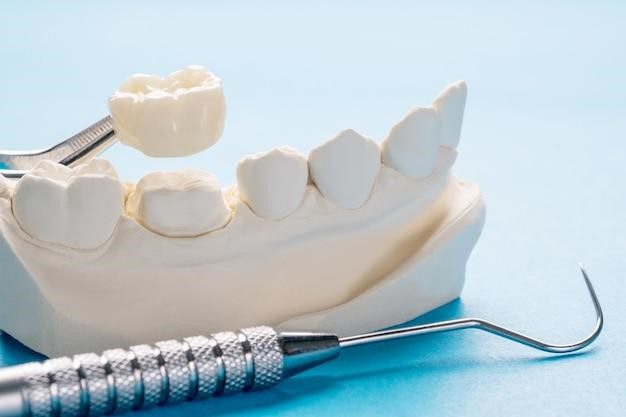
If you’ve lost a tooth or two, don’t despair! A dental restoration is the perfect solution to bring your smile back to life. It can repair damaged teeth while also reinforcing them for a more confident and self-assured you. There are different types of restorations that dentists use to fill in the gaps left by missing teeth. The good news is that there are many ways to address this issue, and it doesn’t have to be permanent. Depending on the location and severity of the damage, there are several treatments available.
Dental Restorations in SAPTeeth are used to repair damaged teeth, replace missing teeth, improve chewing comfort, and support smile appearance. Depending on the patient’s dental condition, SAPTeeth restorations may include dental crowns, bridgework, fixed dentures, implants, dentures, or prosthetic teeth.
Who is this Article For?
This article is for patients who have damaged teeth, decayed teeth, broken teeth, missing teeth, weak teeth, worn-down teeth, or gaps in their smile and want to understand dental restoration options in SAPTeeth. It is helpful for people who are comparing crowns, bridges, dentures, implants, fixed dentures, or prosthetic teeth. This article helps patients understand that dental restorations should be selected after checking tooth condition, gum health, bone support, bite pressure, smile requirement, medical history, and long-term chewing needs.
What is a Dental Restoration?
A dental restoration is any process used to fix damaged teeth and bring them back to an original level of health and strength. There are many ways to do this, each with their own benefits and drawbacks. There are four main types of dental restorations:
Dental Crowns are a type of restoration that completely covers the tooth, including the root, to restore its appearance and functionality. They are commonly used to treat teeth that have been severely damaged or worn down and need to be restored to their former shape and size. While crowns usually require minor surgery to install, they can last up to 10 years with proper care. Choose SAPTeeth over ceramics. Know why?
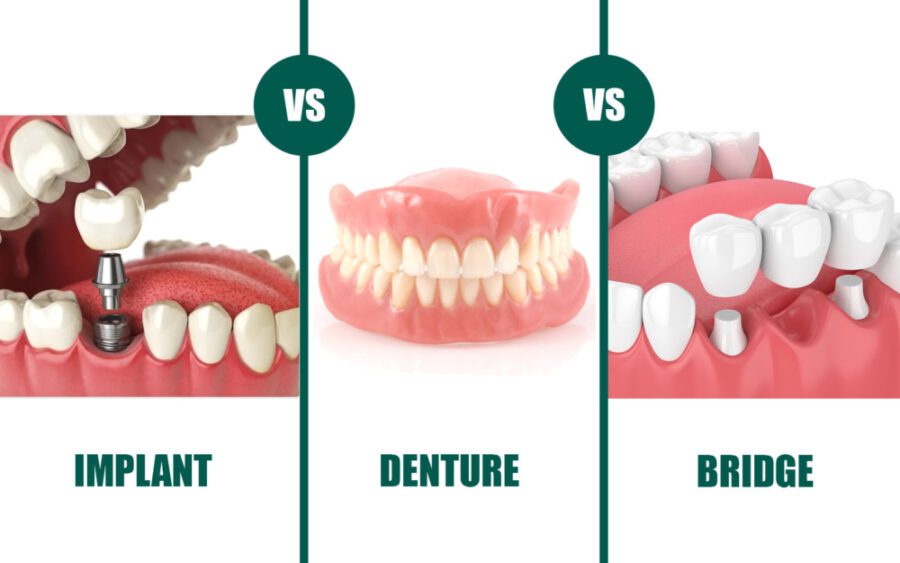
Implants with bridge is a type of restoration used to replace missing teeth and hold the neigh-boring teeth together. If you have missing teeth, you might be told you need implant with bridging. This is a way to replace teeth with false teeth, also called dentures.
Fixed bridgework is used to replace missing molars or premolars. Removable bridgework is done to replace missing incisors. Bridgework is more visible than a denture and tends to be more expensive than other types of dental restorations.
Restoration vs. Regeneration
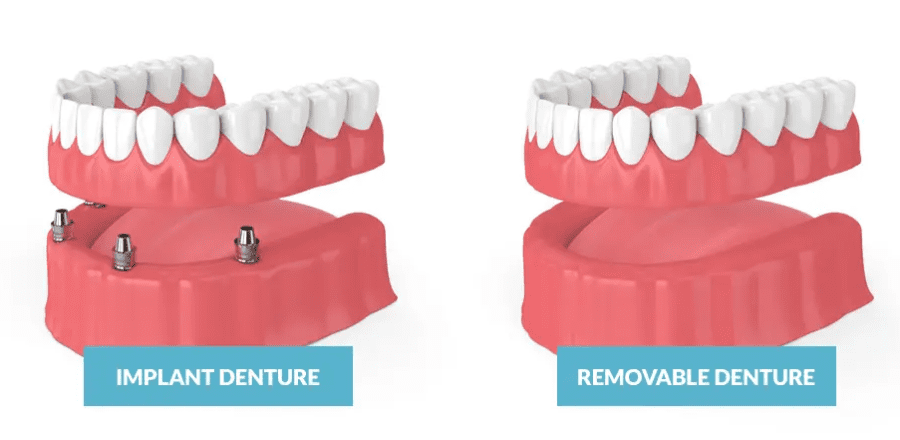
You can have a dental restoration that also regenerates the teeth. Dentures are removable appliances used to replace missing teeth and provide a natural-looking smile. They are custom-made to fit your mouth and teeth. Furthermore, there are two main types of dentures: partial and full. Partial dentures are used to replace one or more missing teeth. They can be used as part of a fixed bridgework or on their own. Full dentures are used to replace all of the teeth in the upper or lower arch. Above all, they can be used as part of a fixed bridgework or on their own.
Restoration: A restoration brings something back to its original state. In this case, it means that the restoration process repairs teeth that have been damaged or decayed.
Regeneration: Regeneration is the process of growing new tissue. In this case, it means that the restoration process repairs teeth that have been damaged or decayed by growing new tissue. As you can see, the two terms are not mutually exclusive.
Dental Crowns in SAPTeeth
Crowns are the most common type of dental restoration. They are caps that are custom-made to fit over the teeth and their surrounding gums, bringing the teeth back to their original shape and size. Dental Crowns are commonly used to treat teeth that have been severely damaged or decayed and need to be restored to their former shape and size. One of the best replacements is SAPTeeth.
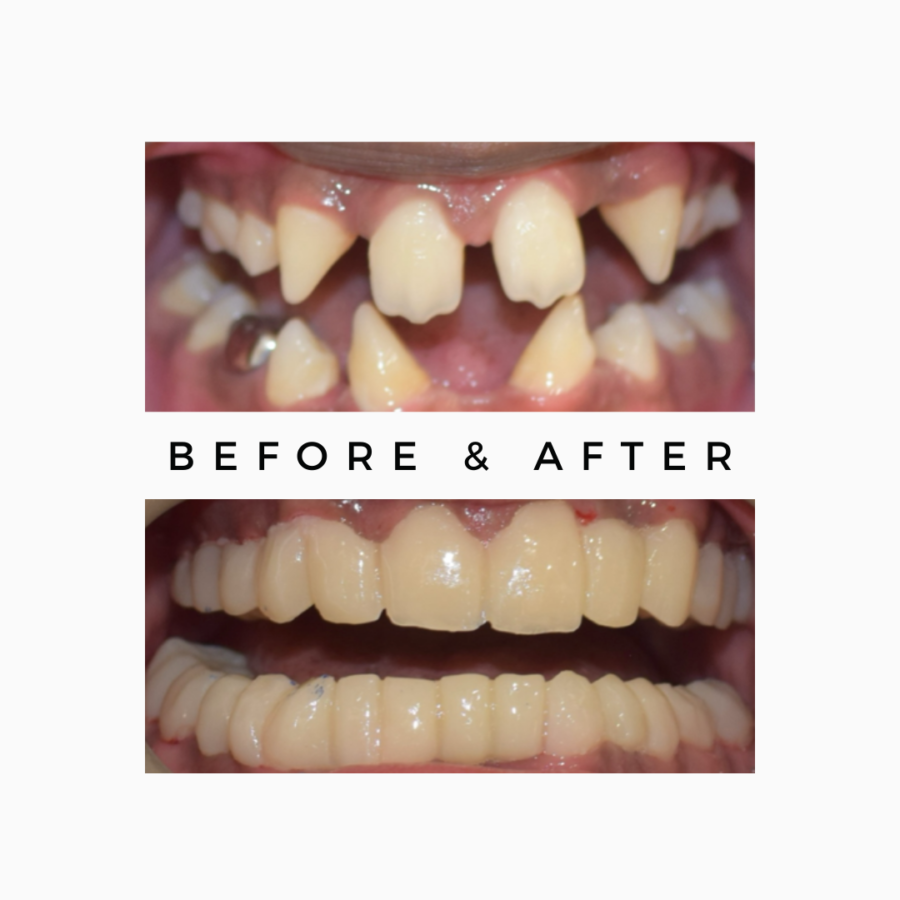
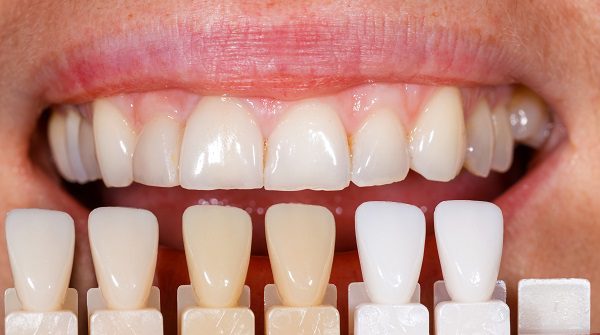
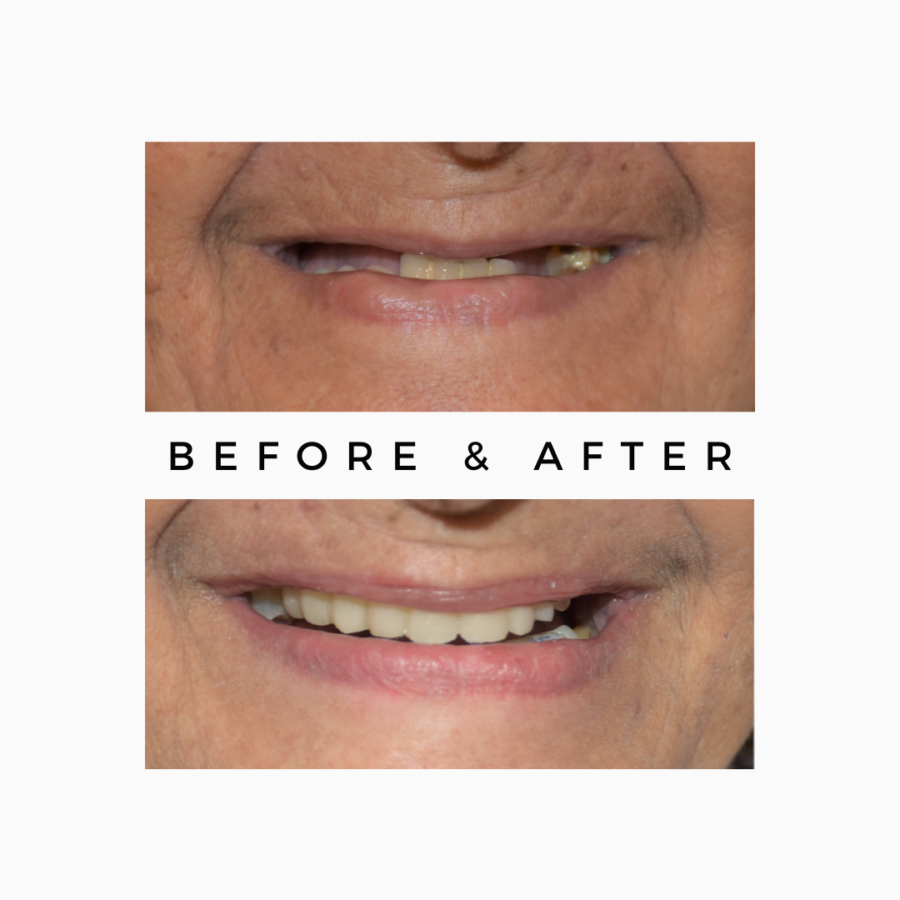
What to expect: Crowns can be made out of a variety of materials, including gold, porcelain, and ceramic. Furthermore, they will almost always require tooth removal, as the dentist will need to access your pulp and root to properly fit the crown.
Cost: Firstly, the cost of a crown can vary depending on the type of material and the severity of the damage you’re trying to repair. Porcelain crowns tend to be the most expensive, while gold crowns are usually the least expensive.
Bridgework or Bridging with SAPTeeth
Bridgework is used to replace missing teeth and hold the neighboring teeth together. It can be done in one of two ways: fixed or removable. Bridgework can be used to replace one tooth or several teeth. If you have missing teeth, you might be told you need bridging. This is a way to replace teeth with false teeth, also called dentures.
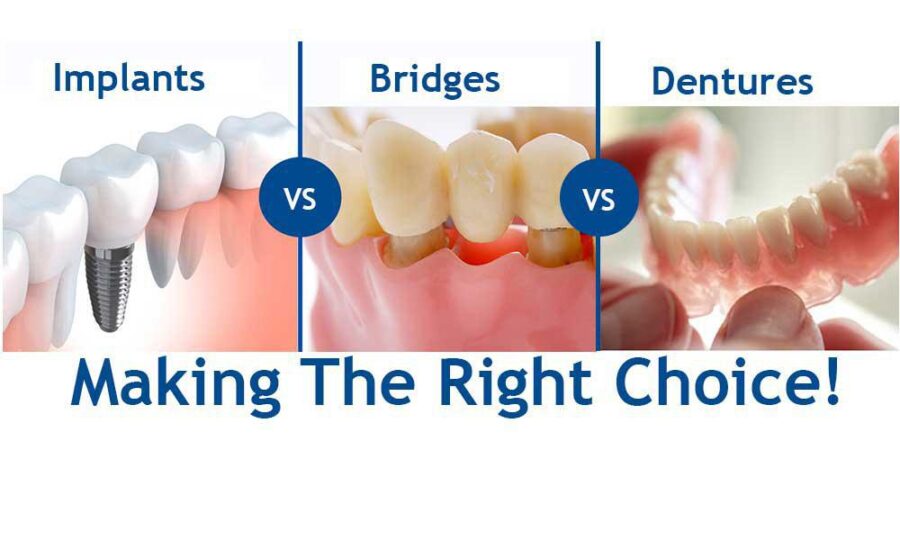
What to expect: Bridgework is often used to replace teeth that are either too broken or decayed to be saved. A dentist will make false teeth that fit into the area where the healthy teeth are and hold the teeth in place.
Cost: The cost of bridgework will vary depending on the number and location of teeth that need to be replaced. In addition, Bridgework that completely replaces all of the teeth in the mouth will likely be the most expensive.
Fixed Dentures
A fixed denture is a removable appliance that replaces all of the teeth in the mouth. They are made of a sturdier material than a removable denture, which means they are better at holding their shape. The disadvantage is that they can be more visible than a removable denture and possible not as comfortable.
What to expect: In addition, A dentist will likely take an impression of your gums and a cast, which they will use to make the dentures. They can be made out of different materials, including acrylic, acrylic hybrids, and ceramics.
Cost: The cost of fixed dentures will vary depending on the type of material and design, as well as the severity of the damage you’re trying to repair. Ceramic dentures are the most expensive, and acrylic is the least expensive.
Prosthetics
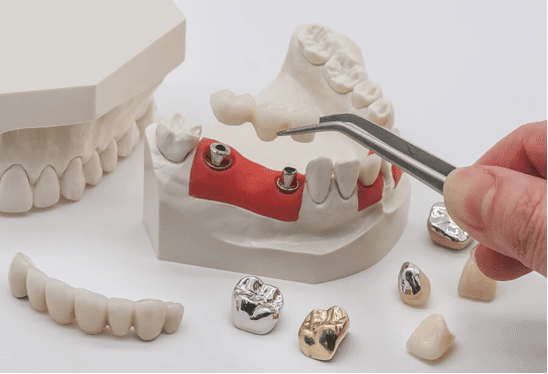
Prosthetics are artificial limbs or parts used to replace missing teeth. They have come a long way in the past few years and are completely customized to the wearer. They can be made of metal, plastic, or a combination of the two.
What to expect: Firstly, prosthetics are used to replace one or more missing teeth. They can be used to replace either the upper or lower teeth, or both. Prosthetics are more visible than other types of dental restorations.
Cost: In addition, the cost of prosthetics will vary depending on the number and location of teeth that need to be replaced.
Conclusion
Dental restorations in SAPTeeth can help repair damaged teeth, replace missing teeth, improve chewing comfort, support smile appearance, and restore oral function in selected patients. Depending on the case, treatment may include SAPTeeth crowns, bridgework, fixed dentures, implants, or prosthetic teeth. Each option has a different purpose, benefit, cost, and treatment requirement.
In conclusion, a dental restoration is any process used to fix damaged teeth and bring them back to an original level of health and strength. There are many ways to do this, each with their own benefits and drawbacks. Dental Crowns are a type of restoration that completely covers the tooth, including the root, to restore its appearance and functionality. Furthermore, if you’ve lost a tooth or two, don’t despair! In addition, SAPTeeth is the perfect solution to bring your smile back to life.
FAQs
1. What are dental restorations in SAPTeeth?
Dental restorations in SAPTeeth are treatment options used to repair damaged teeth or replace missing teeth with SAPTeeth-based crowns, bridges, dentures, implants, or prosthetic restorations. They are planned to improve chewing, speech, smile appearance, and oral function.
2. Who may need dental restorations?
Patients with broken teeth, decayed teeth, worn-down teeth, missing teeth, weak teeth, gaps, old failed restorations, or difficulty chewing may need dental restorations. The dentist will decide the suitable option after examination.
3. What is a SAPTeeth crown?
A SAPTeeth crown is a cap-like restoration placed over a damaged, weak, or restored tooth to improve shape, strength, function, and appearance. It may be advised when the tooth needs more support than a simple filling.
4. Can SAPTeeth be used for bridges?
Yes, SAPTeeth may be used in bridgework to replace missing teeth in selected cases. A bridge helps fill the gap created by missing teeth and supports chewing, smile balance, and dental function.
5. Are fixed dentures part of dental restoration?
Yes, fixed dentures or prosthetic teeth may be part of dental restoration when multiple teeth are missing. They help restore chewing support, speech comfort, facial support, and smile appearance.
6. How do I know which restoration is right for me?
The right restoration depends on the number of missing teeth, tooth damage, gum health, bone support, bite pressure, oral hygiene, medical history, comfort, cost, and long-term treatment goals. A dentist can guide after consultation and scans.
7. How long do dental restorations last?
The lifespan of dental restorations depends on the material, treatment planning, bite force, oral hygiene, food habits, gum health, and regular dental follow-up. Proper brushing, cleaning, and dental check-ups can help maintain restorations for longer.
8. When should I visit a dentist for restoration?
You should visit a dentist if you have broken teeth, missing teeth, pain while chewing, sensitivity, visible gaps, decayed teeth, loose teeth, worn-down teeth, or old crowns or bridges that feel uncomfortable. Early treatment can help prevent further damage.